SpX
TBD
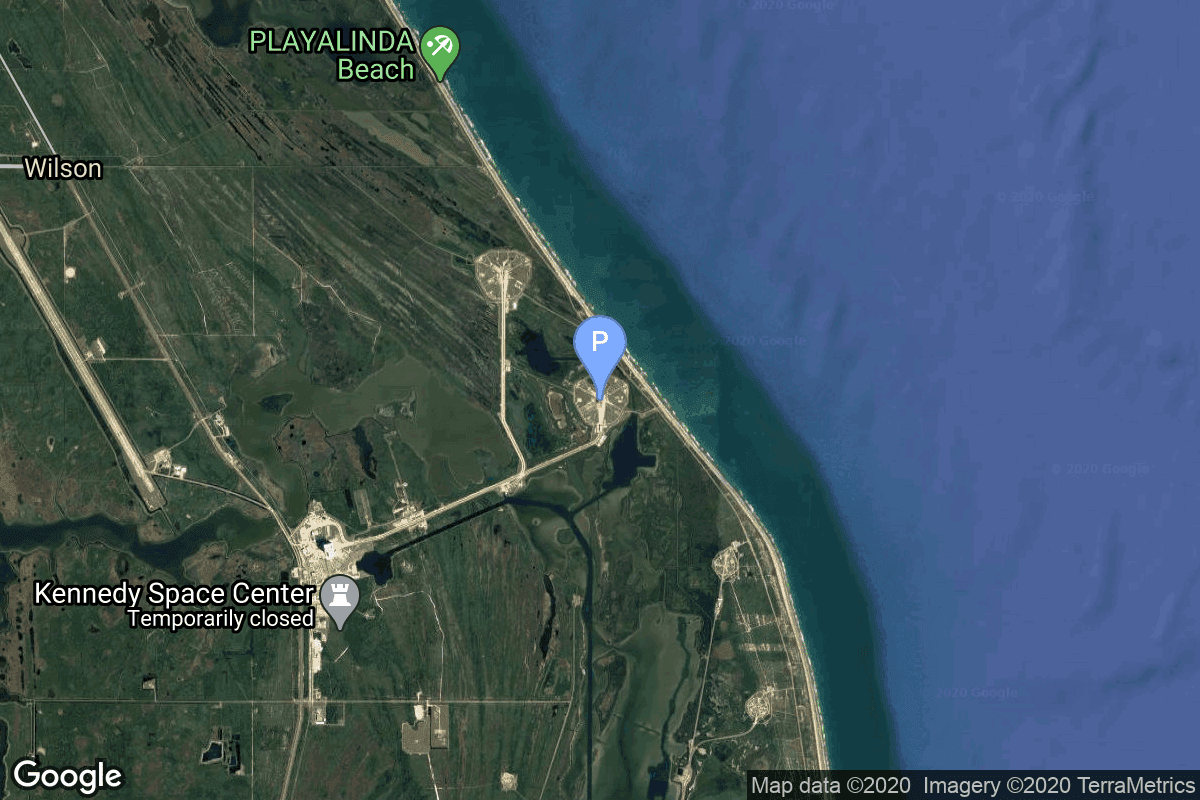
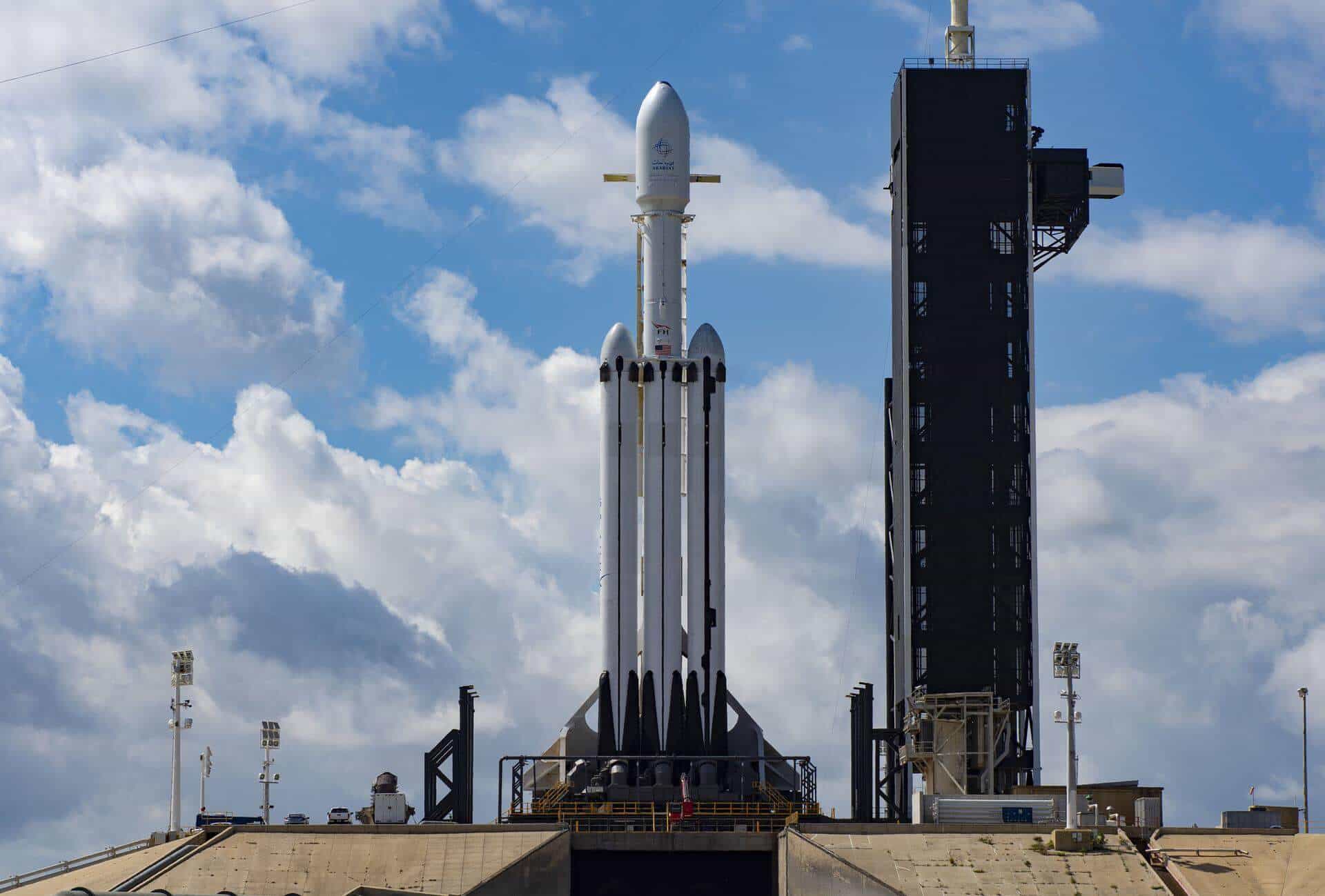
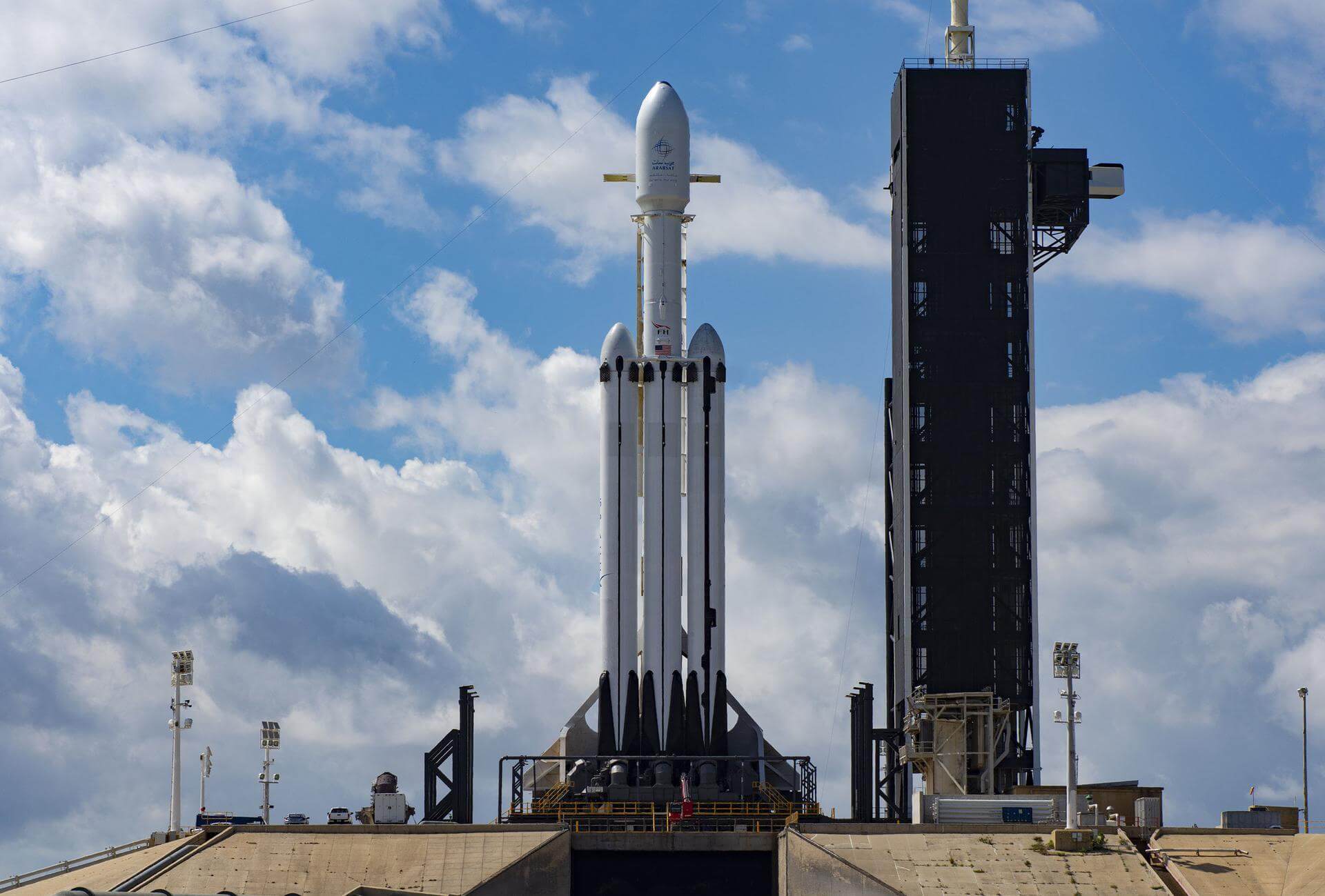
Falcon Heavy | ExoMars 2028 Rosalind Franklin rover
Robotic Exploration
Time to liftoff
Targeting October 2028
Target Window
October 2028
Exact time to be confirmed
Net Precision
Month
M
— Mission
ExoMars 2028 Rosalind Franklin Rover
Heliocentric N/A· Helio-N/A
ExoMars 2028 is a second mission of two-part European Space Agency astrobiology project to search for evidence of life on Mars. The primary objective is to land the rover at a site with high potential for finding well-preserved organic material, particularly from the very early history of the planet. The rover is expected to travel several kilometers during its mission. The European rover will be the first mission to combine the capability to move across the surface and to study Mars at depth. It will collect samples with a drill down to a depth of 2 m and analyze them with next-generation instruments in an onboard laboratory. Underground samples are more likely to include biomarkers, since the tenuous martian atmosphere offers little protection from radiation and photochemistry at the surface.
— Rocket
Falcon
Falcon Heavy
The Falcon Heavy is a variant of the Falcon 9 full thrust launch vehicle and consists of a standard Falcon 9 rocket core, with two additional boosters derived from the Falcon 9 first stage.
- Length
- 70 m
- Diameter
- 12.2 m
- Launch Mass
- 1,400 t
- LEO Capacity
- 63,800 kg
- GTO Capacity
- 26,700 kg