CASC
TBD
Long March 10A | Demo Flight
Test Flight
Time to liftoff
Targeting 2026
Target Window
2026
Exact time to be confirmed
Net Precision
Year
Y
— Featured
ArticleMission Status
— Mission
Demo Flight
Unknown· N/A
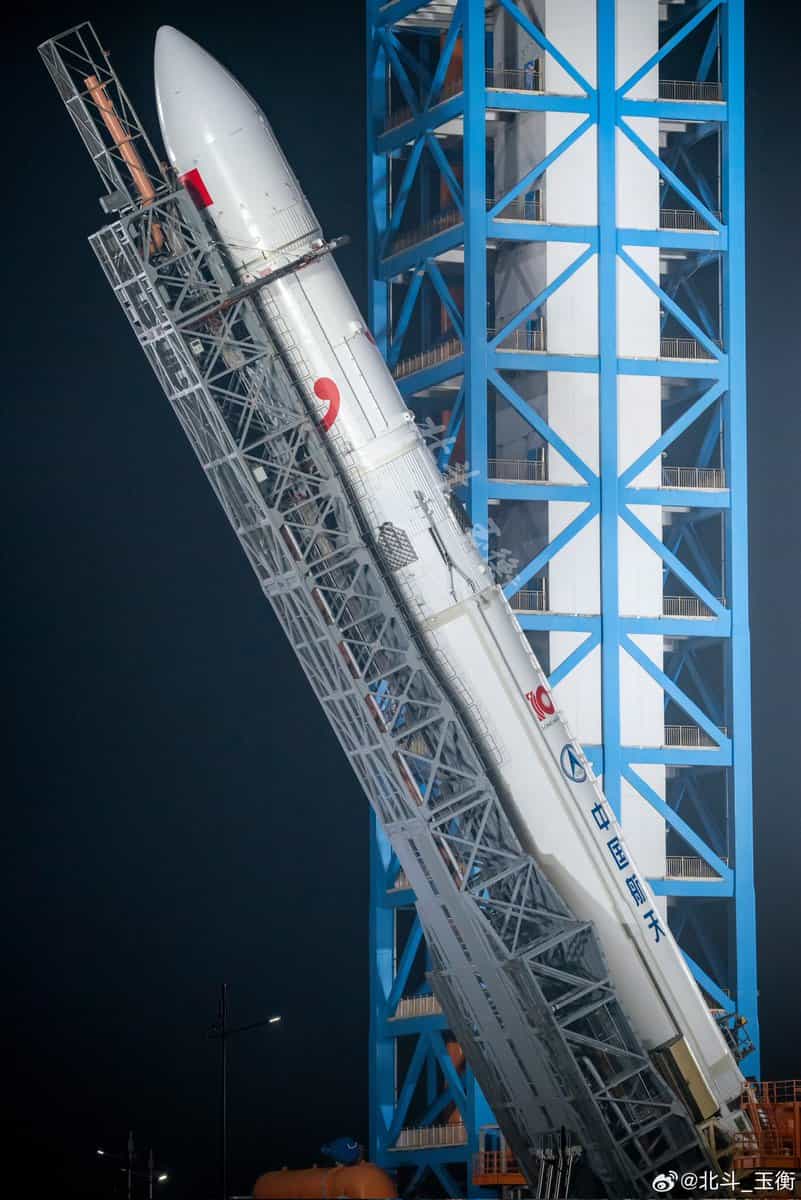
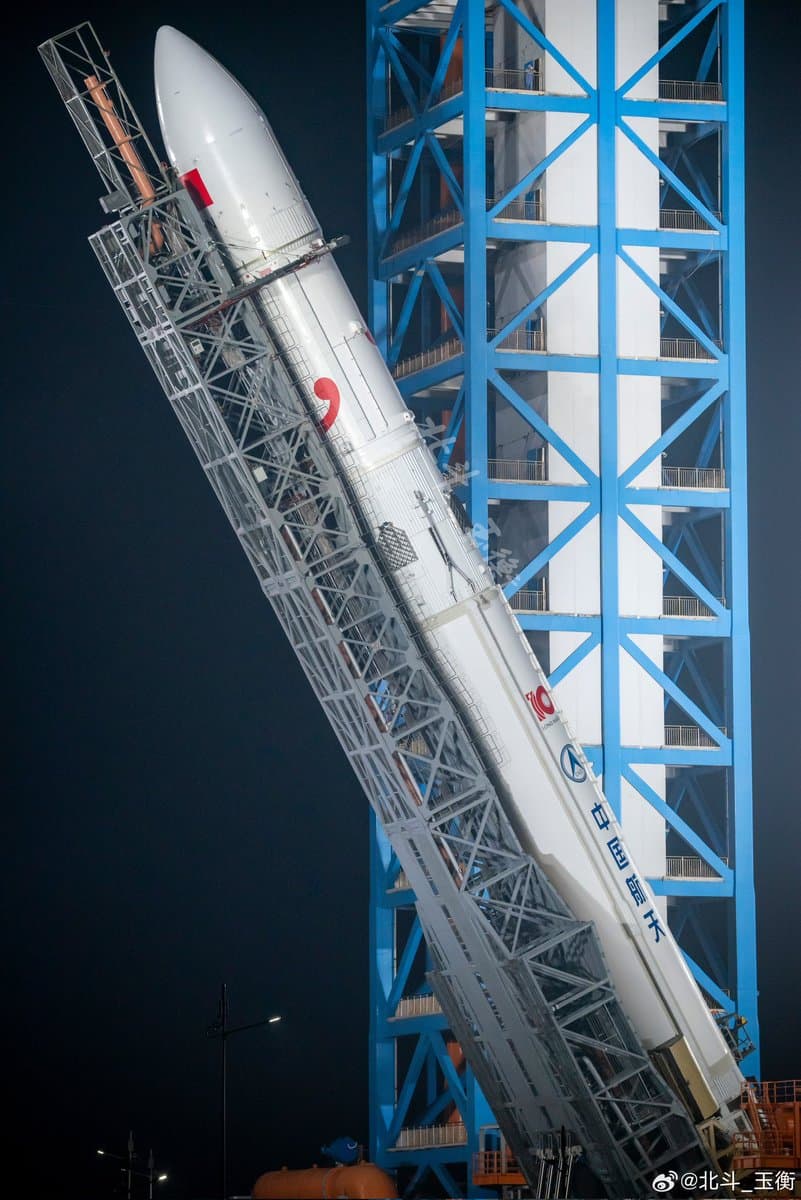
First test launch of CASC/CALT’s Long March 10A rocket. Payload is expected to be a prototype of the Low Earth Orbit mission version of the Mengzhou crew spacecraft.
— Rocket
Long March
Long March 10A
The Long March 10A is a human-rated launch vehicle designed to replace the current Long March 2F, along with the Low Earth Orbit version of China's Mengzhou crewed spacecraft, as their new Low Earth Orbit crew missions launcher. It is based on a single 1st stage core of the Long March 10, with 7 YF-100 series kerosene/liquid oxygen staged-combustion cycle engines on the 1st stage and 1 on the 2nd stage. The 1st stage is designed to be recovered downrange by a recovery barge equipped with an arrestor net and support frame, with the 1st stage landing on the net’s cables using its grid fins.
- Length
- 67.4 m
- Diameter
- 5 m
- Launch Mass
- 750 t
- LEO Capacity
- 18,000 kg
0
Launches
0
Success