Long March 10B | Demo Flight
First test launch of CASC’s Long March 10B rocket.

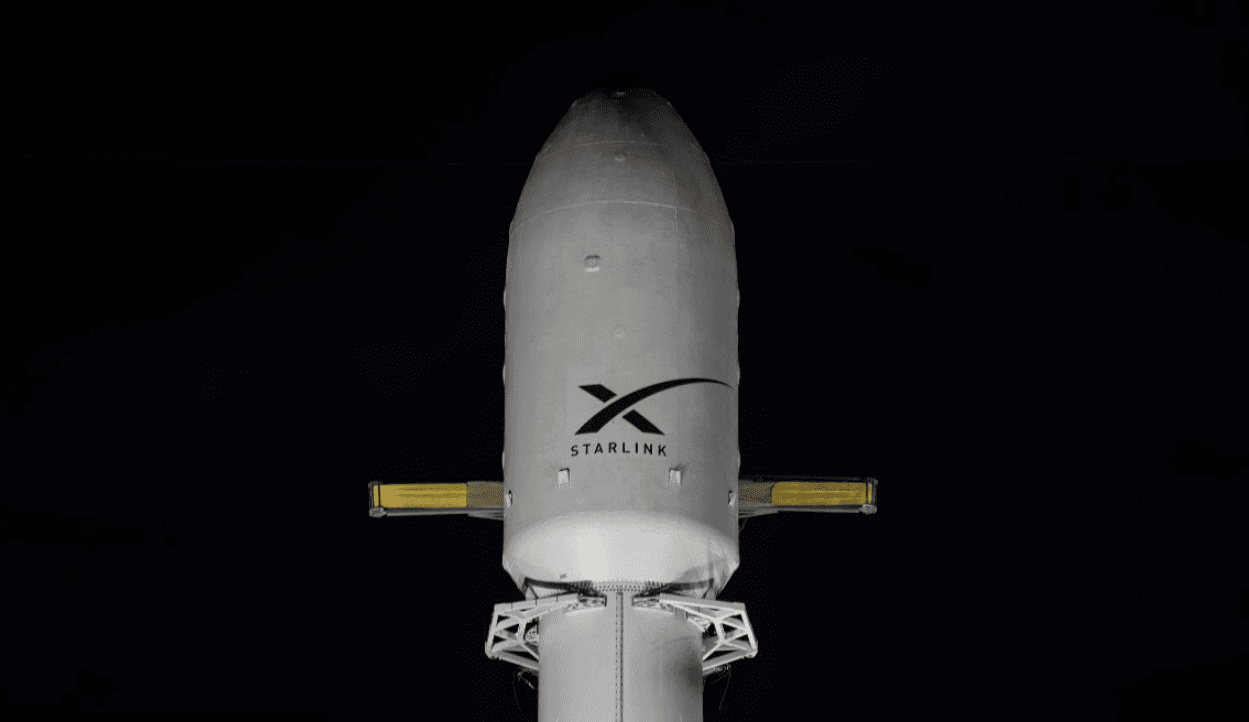
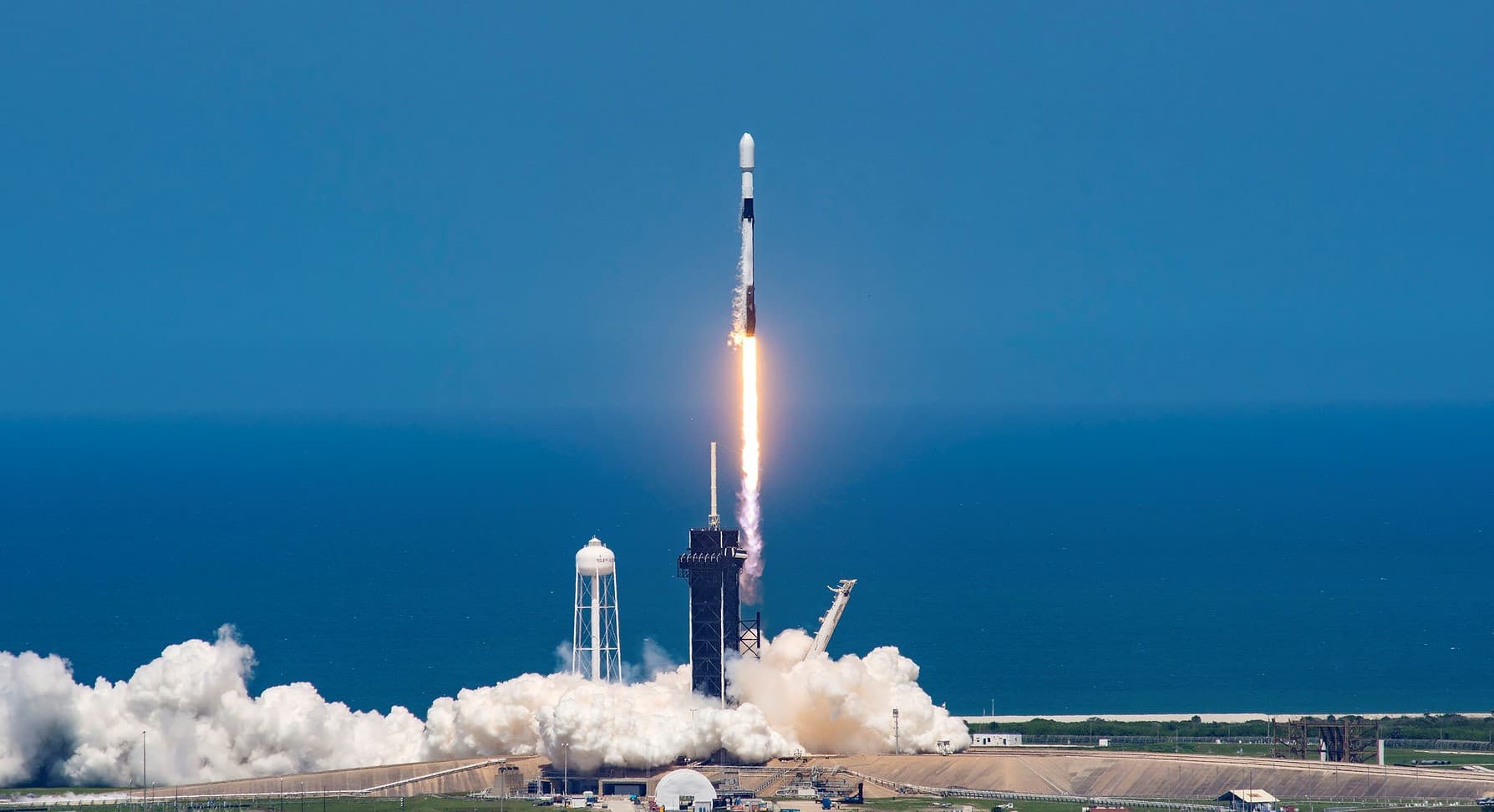
A batch of 24 satellites for the Starlink mega-constellation - SpaceX's project for space-based Internet communication system.

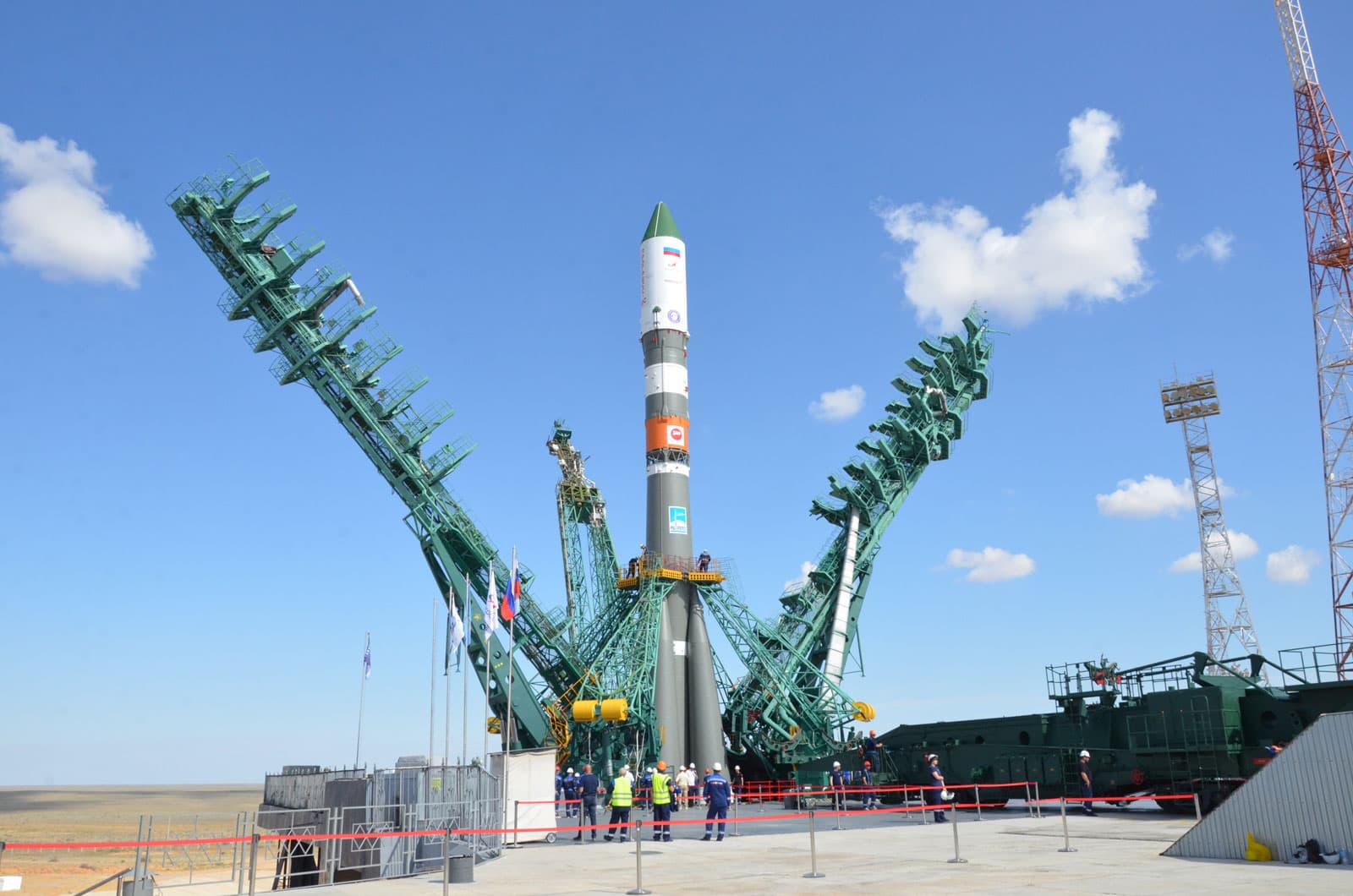
Soyuz MS-29 will carry three cosmonauts and one astronaut to the International Space Station aboard the Soyuz spacecraft from the Baikonur Cosmodrome in Kazakhstan. The crew consists of Roscosmos cosmonauts Pyotr Dubrov and Anna Kikina, as well as NASA astronaut Anil Menon.

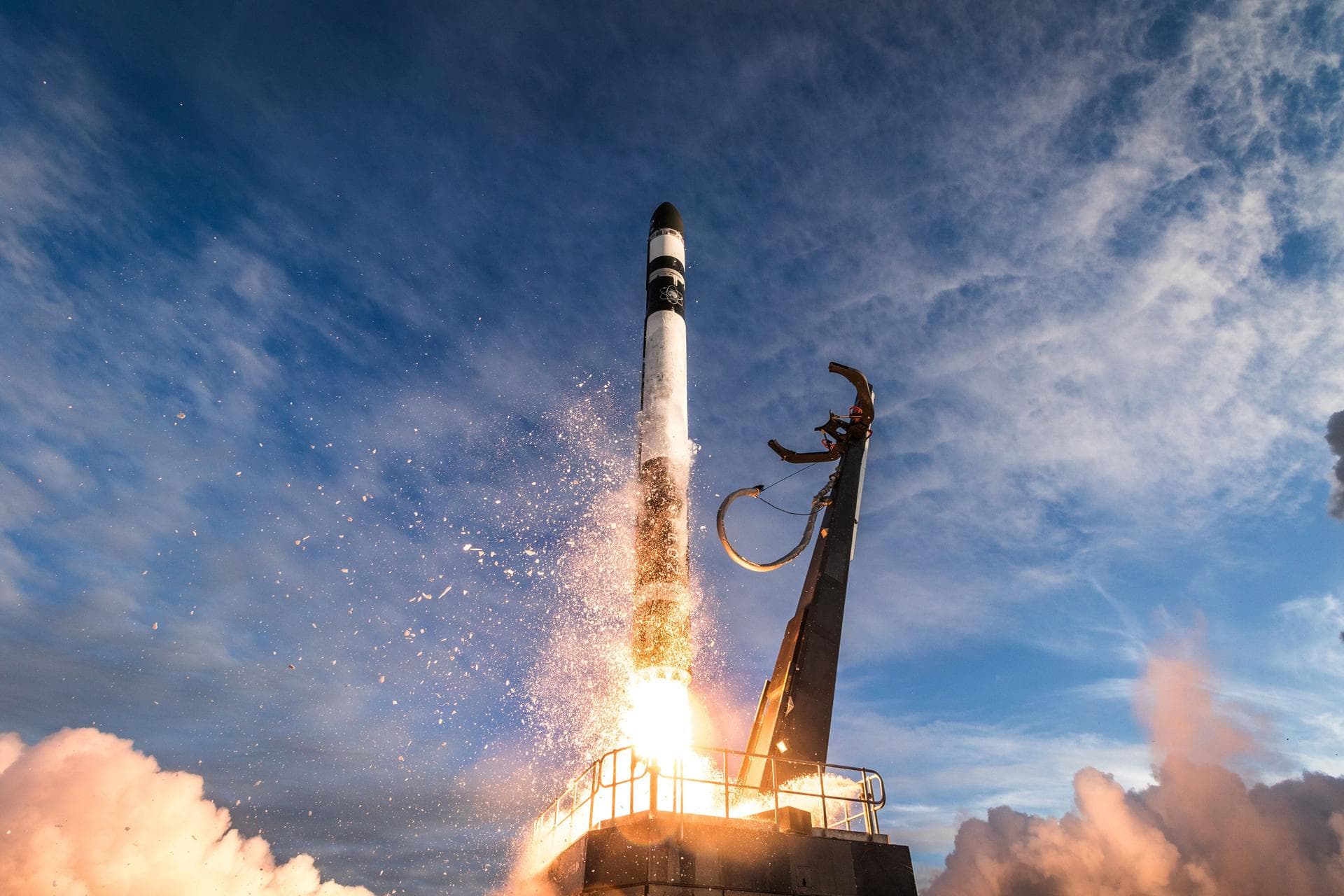
LOXSAT 1 is a demonstration satellite of a complete cryogenic oxygen fluid management system in orbit, developed by Eta Space and sponsored by NASA's Tipping Point program. The system will be integrated on a Rocket Lab Photon-LEO satellite bus and collect critical cryogenic fluid management data in orbit for 9 months, demonstrating capabilities of in-space cryogenic storage and transferal. Eta Space plans to use technology developed for this mission to develop a truly commercial depot intended to serve multiple customers in the future.

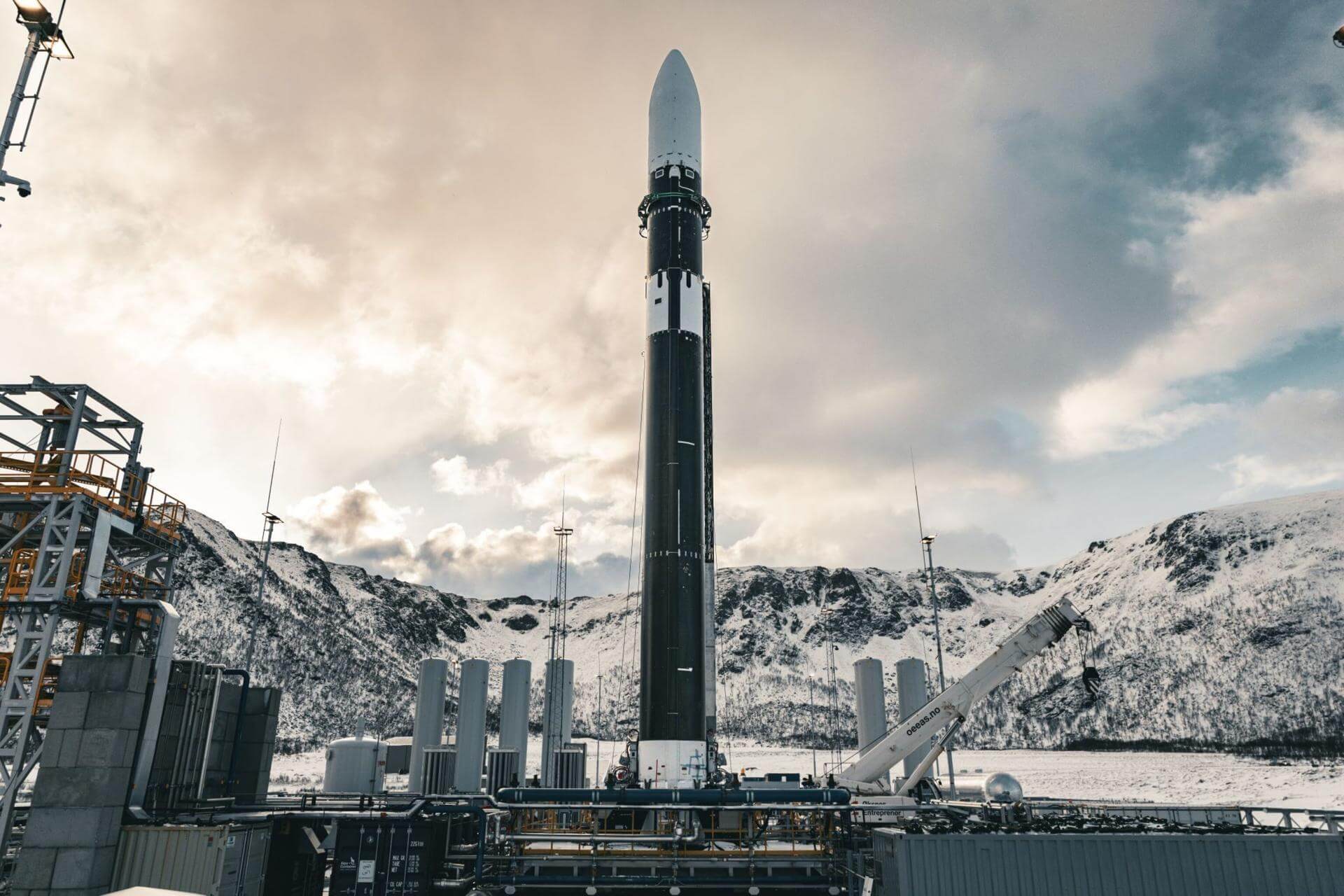
Second test flight of the Isar Spectrum launch vehicle. This launch will carry 5 cubesats and 1 non-separable experiment as part of European Space Agency (ESA)'s “Boost!” program: * CyBEEsat (TU Berlin) * TriSat-S (University of Maribor) * Platform 6 (EnduroSat) * FramSat-1 (NTNU) * SpaceTeamSat1 (TU Wien Space Team) * Let It Go (Dcubed, non-separable experiment)

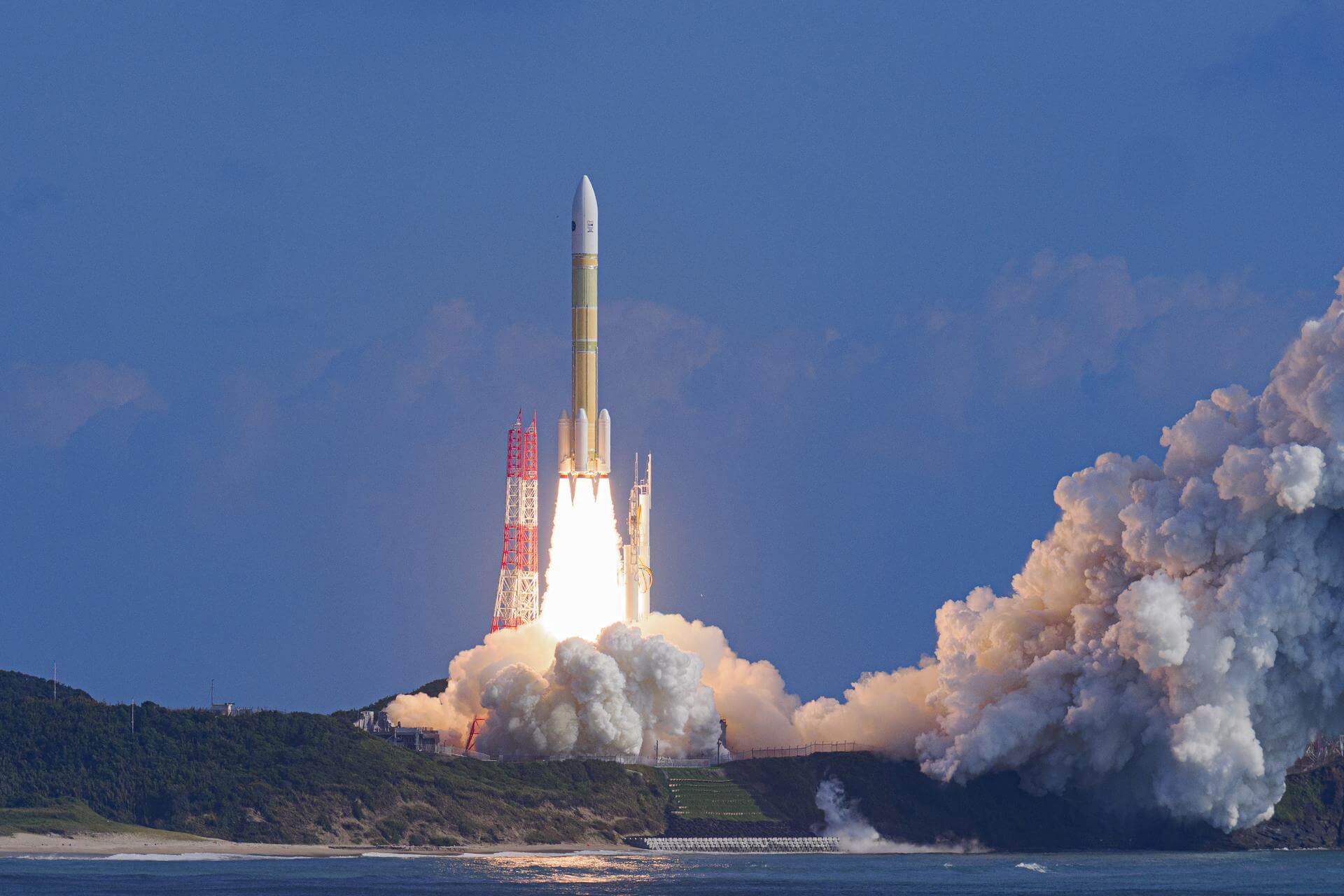
Second flight of the upgraded Japanese HTV-X spacecraft designed to resupply the International Space Station.

Details TBD.

Dedicated rideshare flight to a sun-synchronous orbit with dozens of small microsatellites and nanosatellites for commercial and government customers.

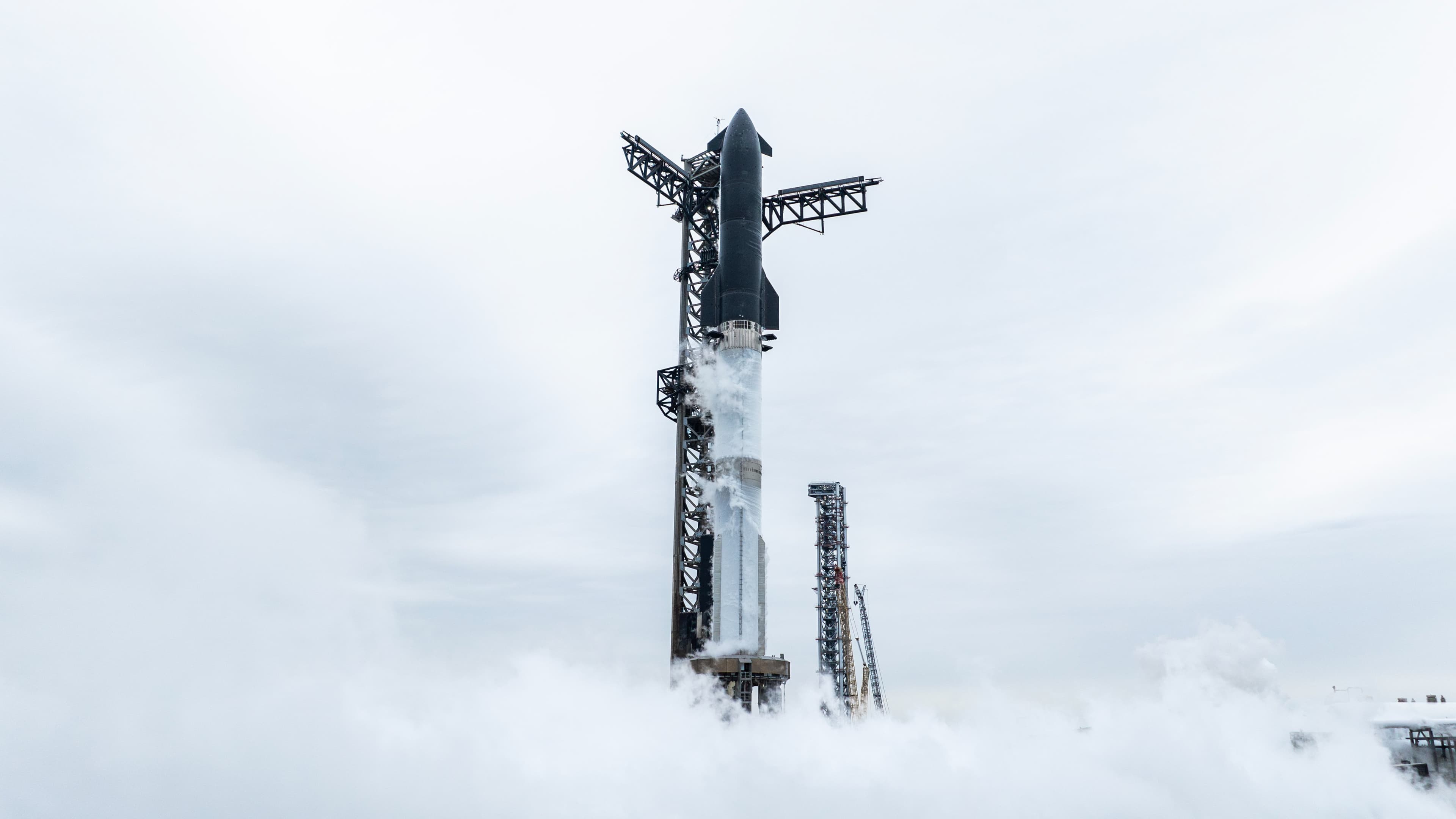
13th test flight of the two-stage Starship launch vehicle. Second flight of Starship V3

Synthetic aperture radar satellite for Japanese Earth imaging company Synspective.

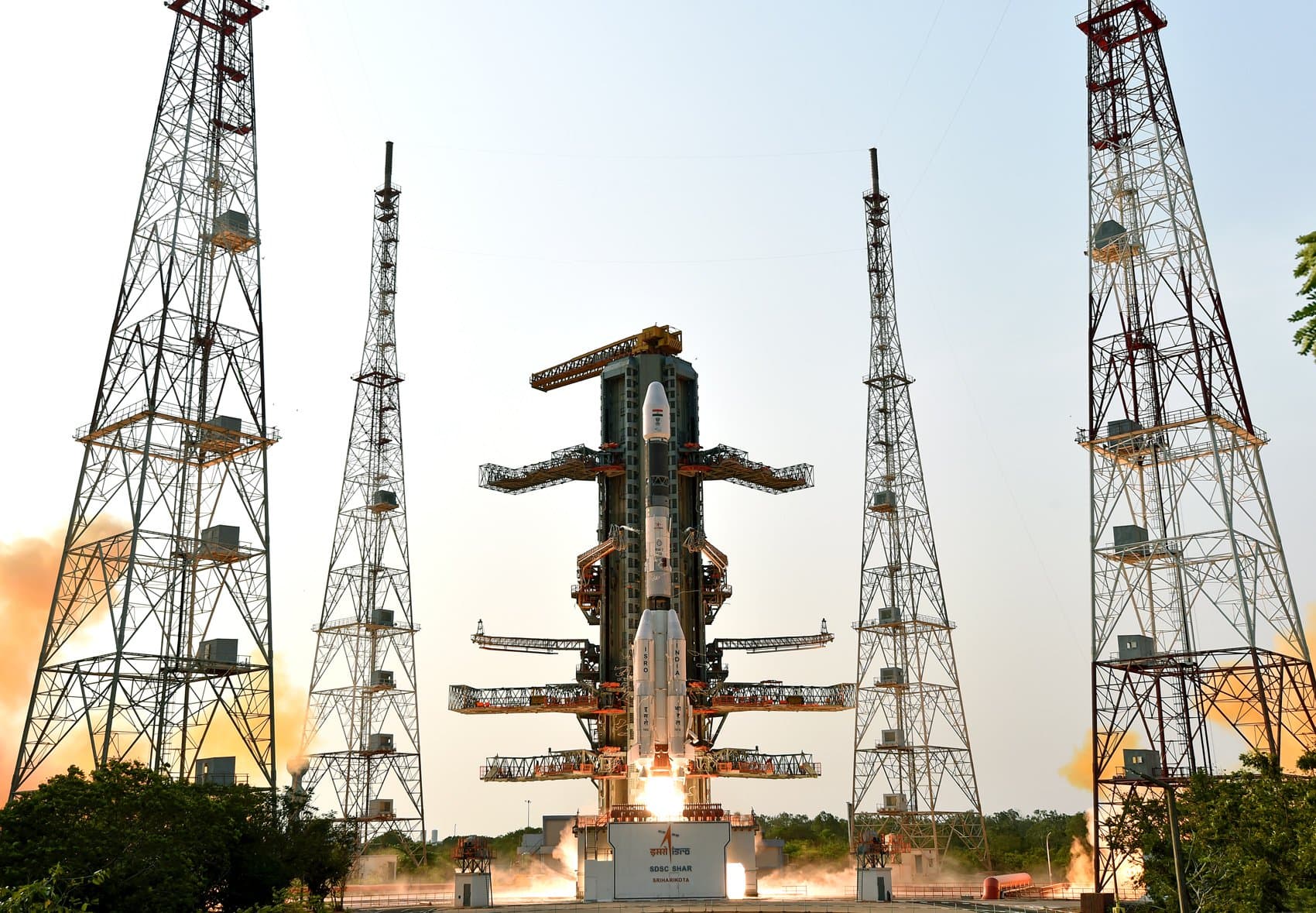
GISAT-1A (GEO Imaging Satellite) is an Indian earth observing satellite operating from geostationary orbit to facilitate continuous observation of Indian sub-continent, quick monitoring of natural hazards and disaster.
The Globalstar global mobile communications network offers global, digital real time voice, data and fax services via its Low Earth Orbit satellite constellation. The constellation operates in a 1410 km orbit inclined at 52 degrees. In early 2022, Globalstar contracted with MDA for the construction of 17 new 2nd generation refresh satellites to replenish the existing constellation. Rocket Lab is sub-contracted to build the satellites' buses and the launch dispensers.