

TBDRL
Electron
Electron | StriX Launch 19
Synthetic aperture radar satellite for Japanese Earth imaging company Synspective.
Date unconfirmed
Target
Unconfirmed
Time TBC
Pad
Unknown Pad
Rocket Lab Launch Complex 1, Mahia Peninsula, New Zealand
Synthetic aperture radar satellite for Japanese Earth imaging company Synspective.
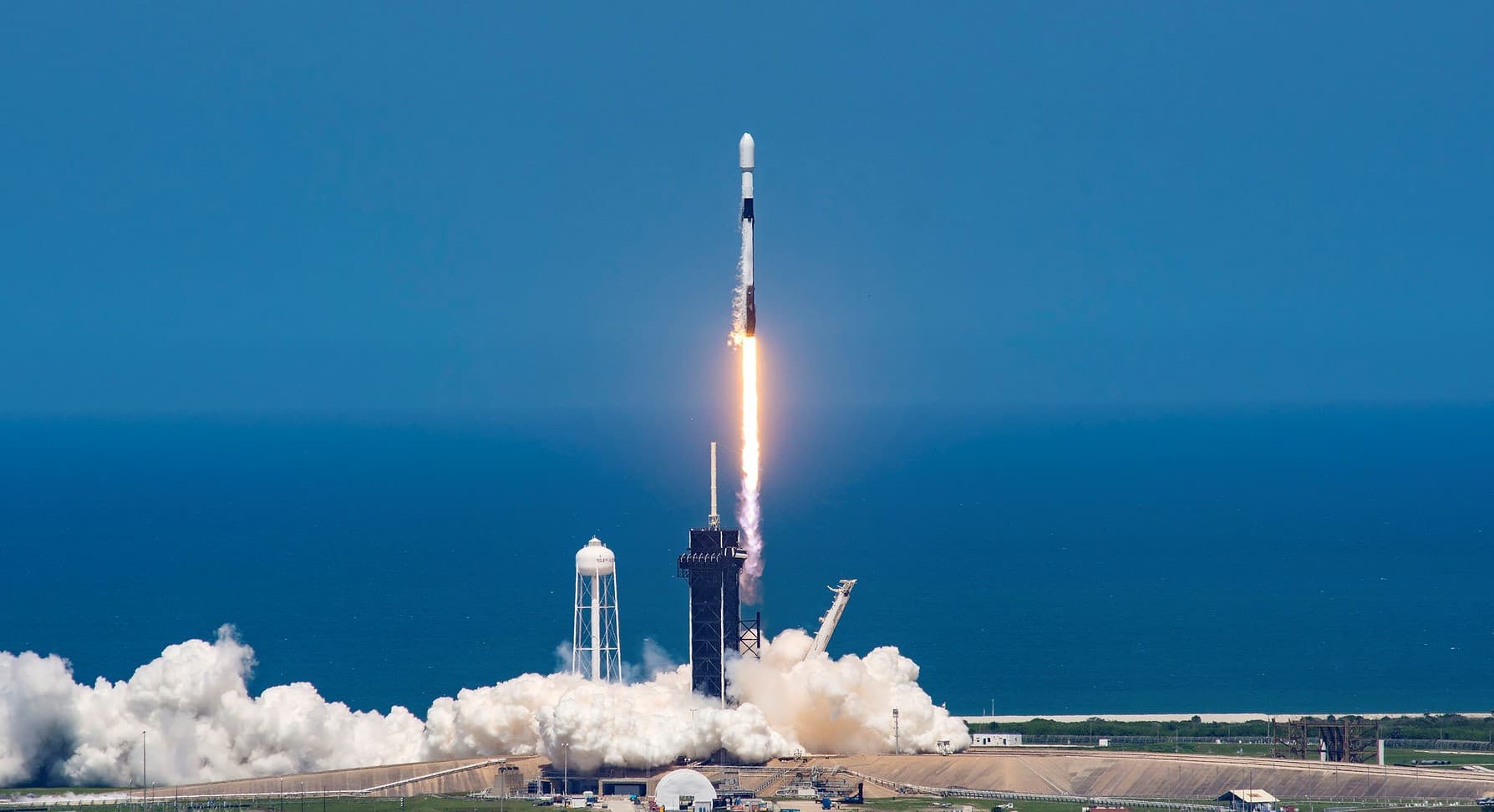
Amazon Leo, formerly known as Project Kuiper, is a mega constellation of satellites in Low Earth Orbit designed to offer broadband internet access managed by Kuiper Systems LLC, a subsidiary of Amazon. This constellation is planned to be composed of 3,276 satellites. The satellites are projected to be placed in 98 orbital planes in three orbital layers, one at 590 km, 610 km and 630 km altitude.
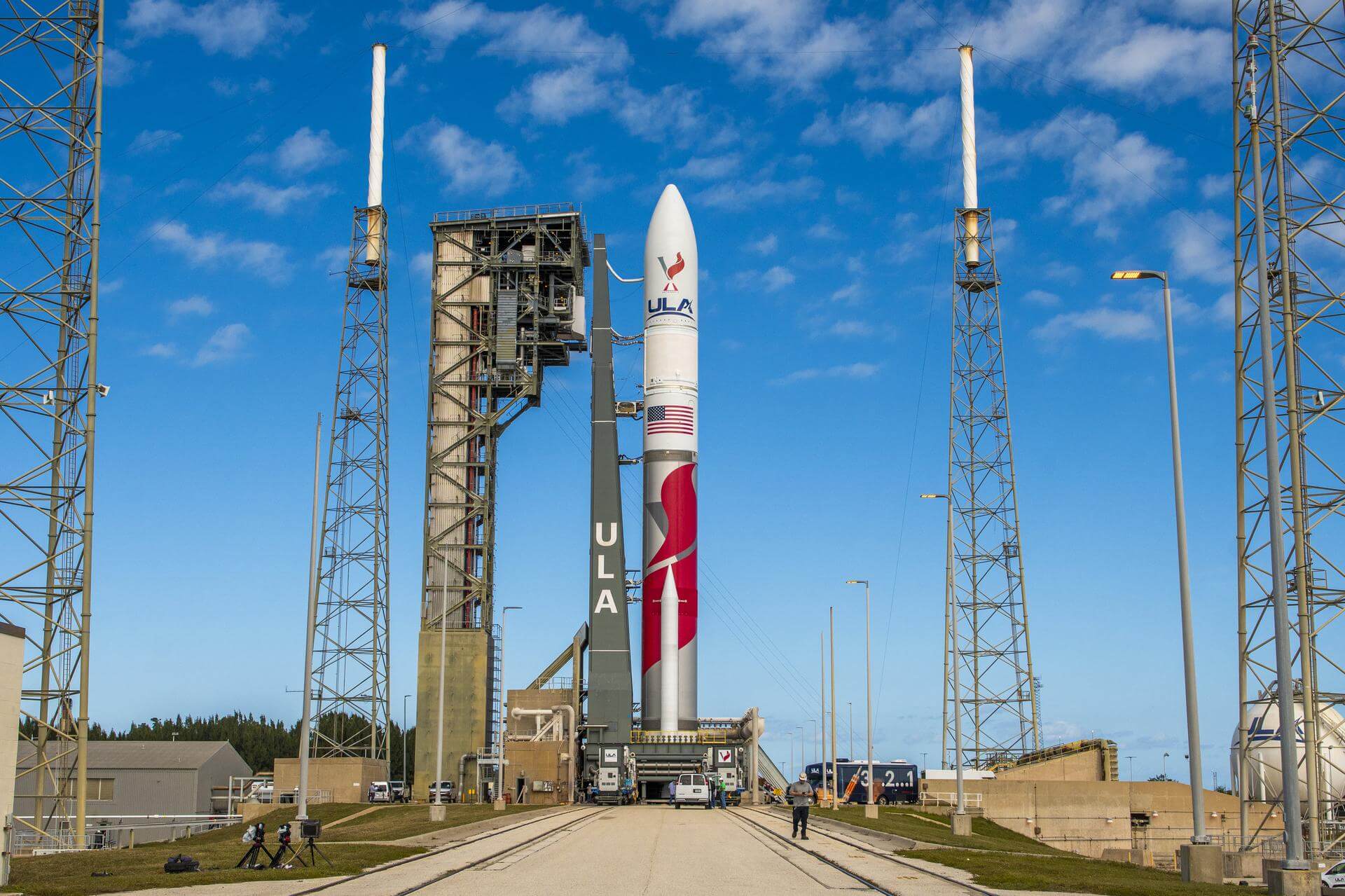
Second Block IIIF GPS satellite
Synthetic aperture radar satellite for Japanese Earth imaging company Synspective.

Private space station developed by a joint venture between Voyager Space and Airbus.
Classified payload for the US National Reconnaissance Office
Synthetic aperture radar satellite for Japanese Earth imaging company Synspective.
Synthetic aperture radar satellite for Japanese Earth imaging company Synspective.
Synthetic aperture radar satellite for Japanese Earth imaging company Synspective.
Synthetic aperture radar satellite for Japanese Earth imaging company Synspective.
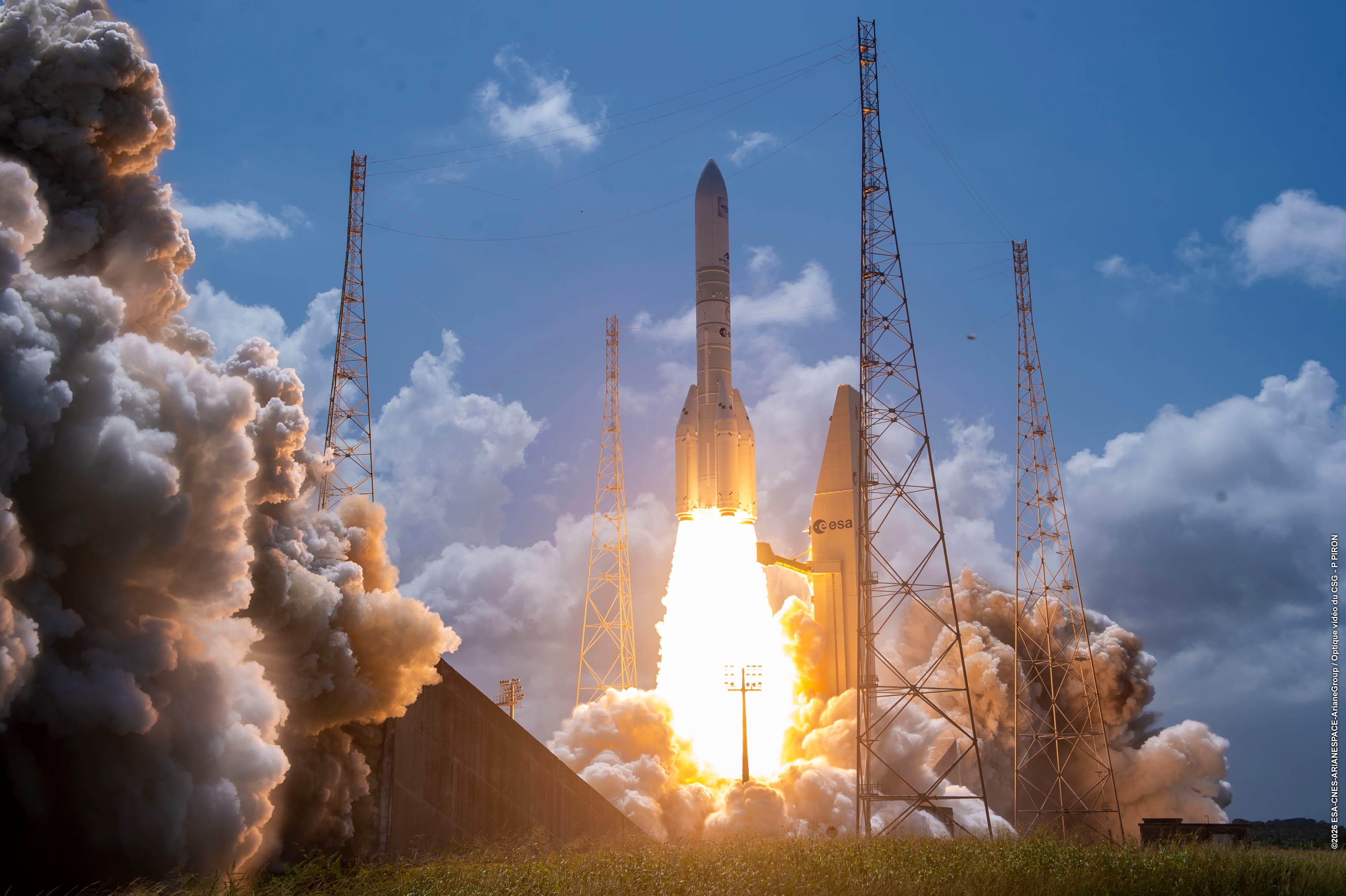
GovSat-2 is the second satellite for GovSat, the public-private partnership between SES and the Luxembourg government. The satellite is designed to address the needs of defense users at the highest Security and Service Assurance Level, adding new ultra-high frequency (UHF) channels in the X- and military Ka-bands, and will include other security features such as dedicated hardening, an advanced anti-jamming system, and embedded geo-location. GovSat-2 will be positioned over the European satellite arc, joining GovSat-1 in augmenting reliable connectivity services for government customers over the region. The satellite will be built by Thales Alenia Space on its Spacebus 4000B2 platform.
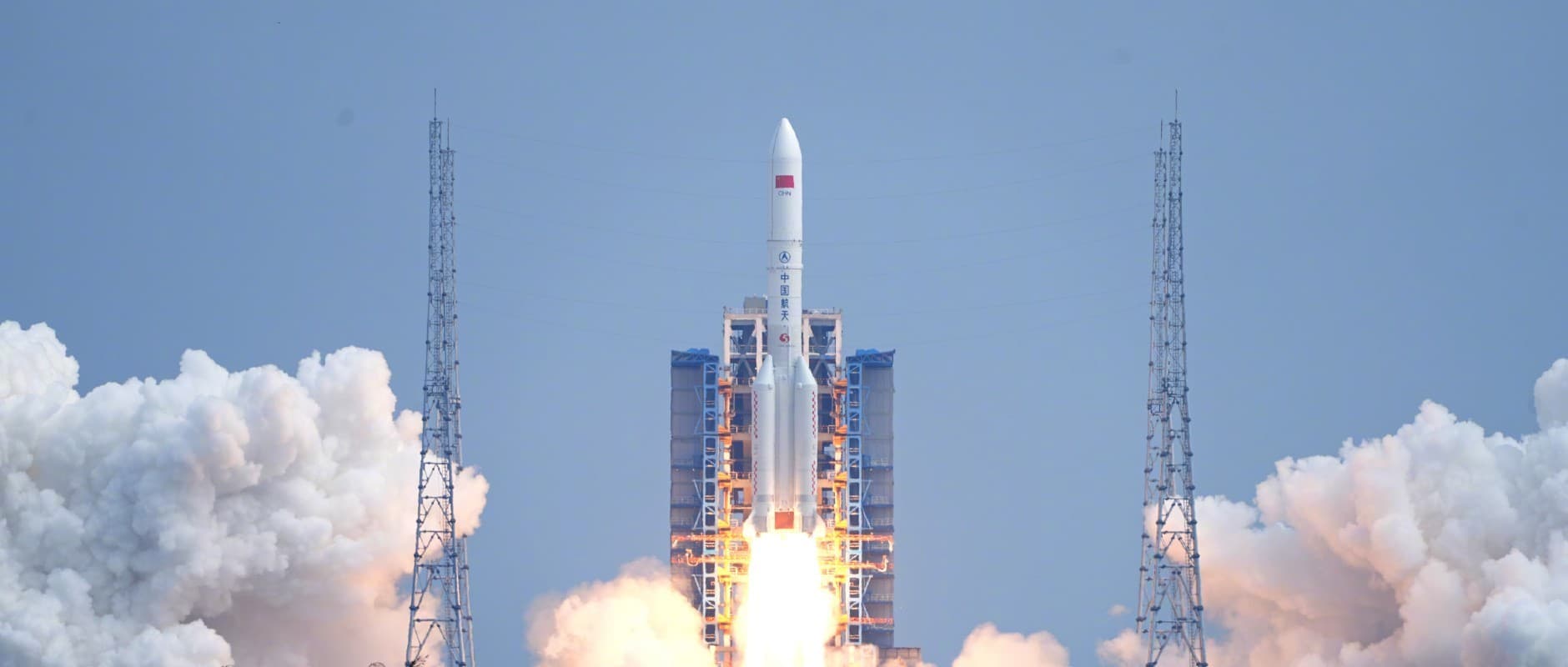
Chang'e 8/CE-8 is scheduled to launch in 2028, including a lander, a rover and a legged robot. The mission will land in the South Pole regions of the Moon to study lunar surface environment around the South Pole and experimenting with resource utilization, including testing an enclosed terrestrial ecosystem in the lunar environment.