
TBDRL
Electron
Electron | BlackSky Gen-3 5
BlackSky Gen-3 Earth-imaging satellites
Targeting 2026
Target
2026
Time TBC
Pad
Unknown Pad
Rocket Lab Launch Complex 1, Mahia Peninsula, New Zealand
BlackSky Gen-3 Earth-imaging satellites
Synthetic aperture radar Earth observation satellite for Japanese Earth imaging company iQPS.
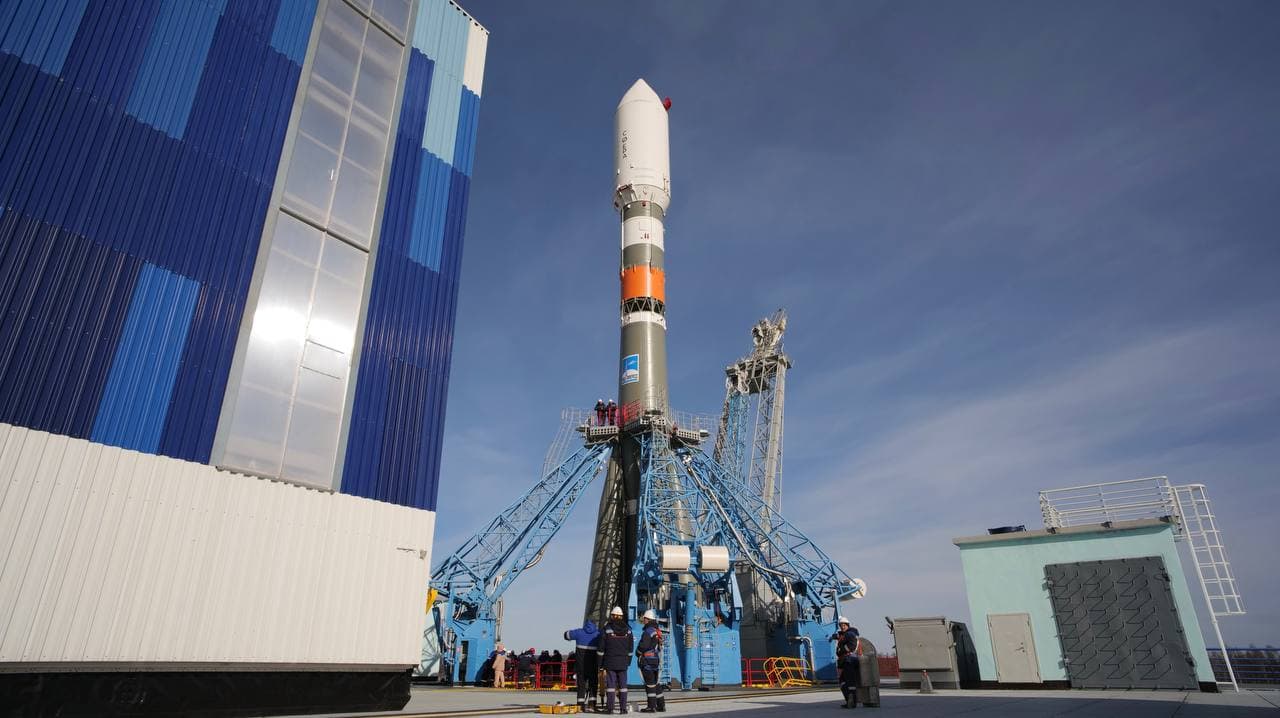
Note: Payload identities uncertain. Batch of 16 Rassvet-3 Low Earth Orbit communication satellites for the Russian Byuro-1440 (Bureau 1440) constellation for broadband high-speed internet access in Russia.
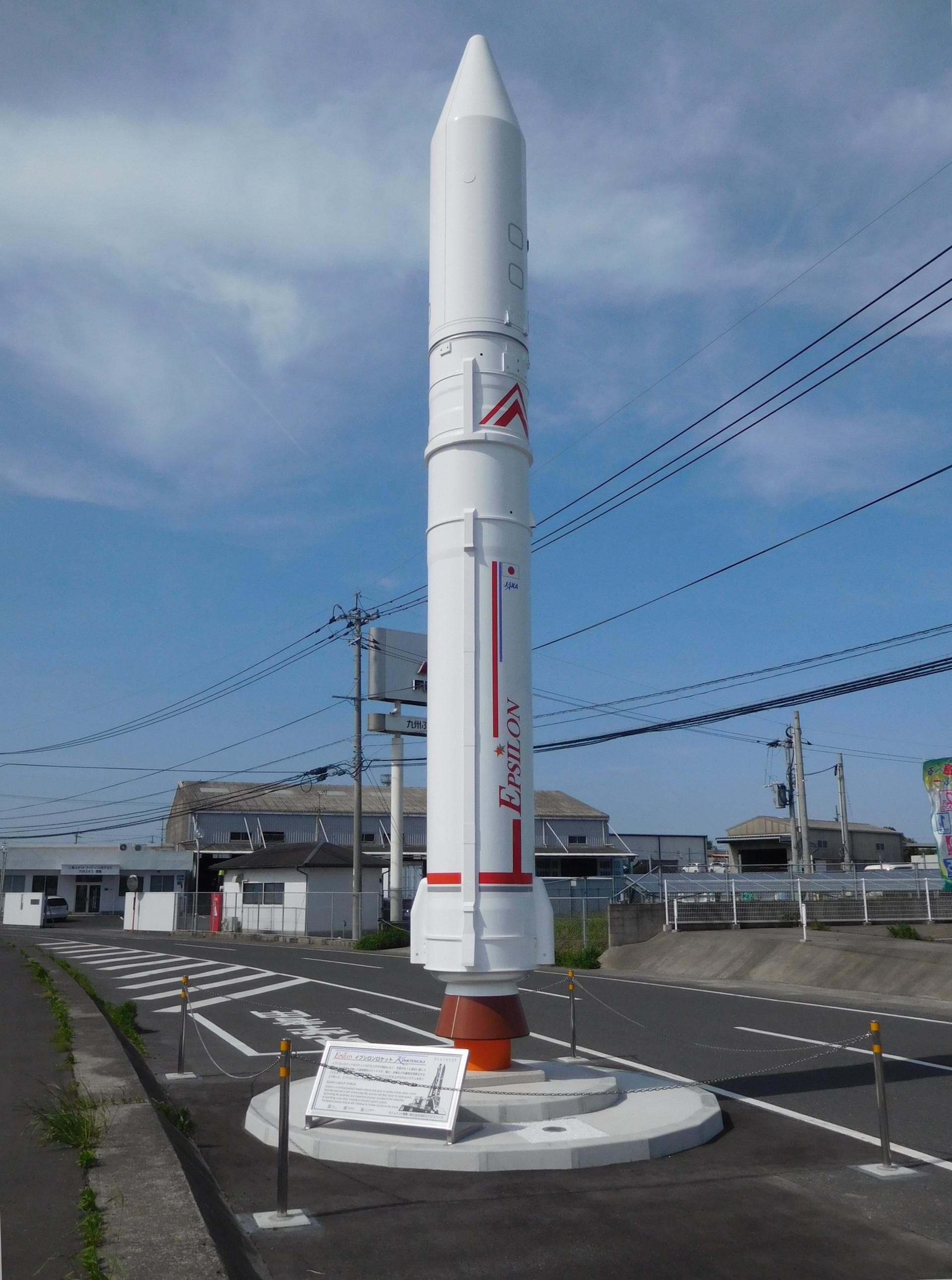
Vietnamese Synthetic Aperture Radar Earth observation satellite build by NEC Corporation of Japan, based on Japan's ASNARO 2 satellite and the NEXTAR NX-300L satellite bus. The satellite will contribute to measures against natural disasters and climate change in Vietnam.
Synthetic aperture radar satellite for Japanese Earth imaging company Synspective.
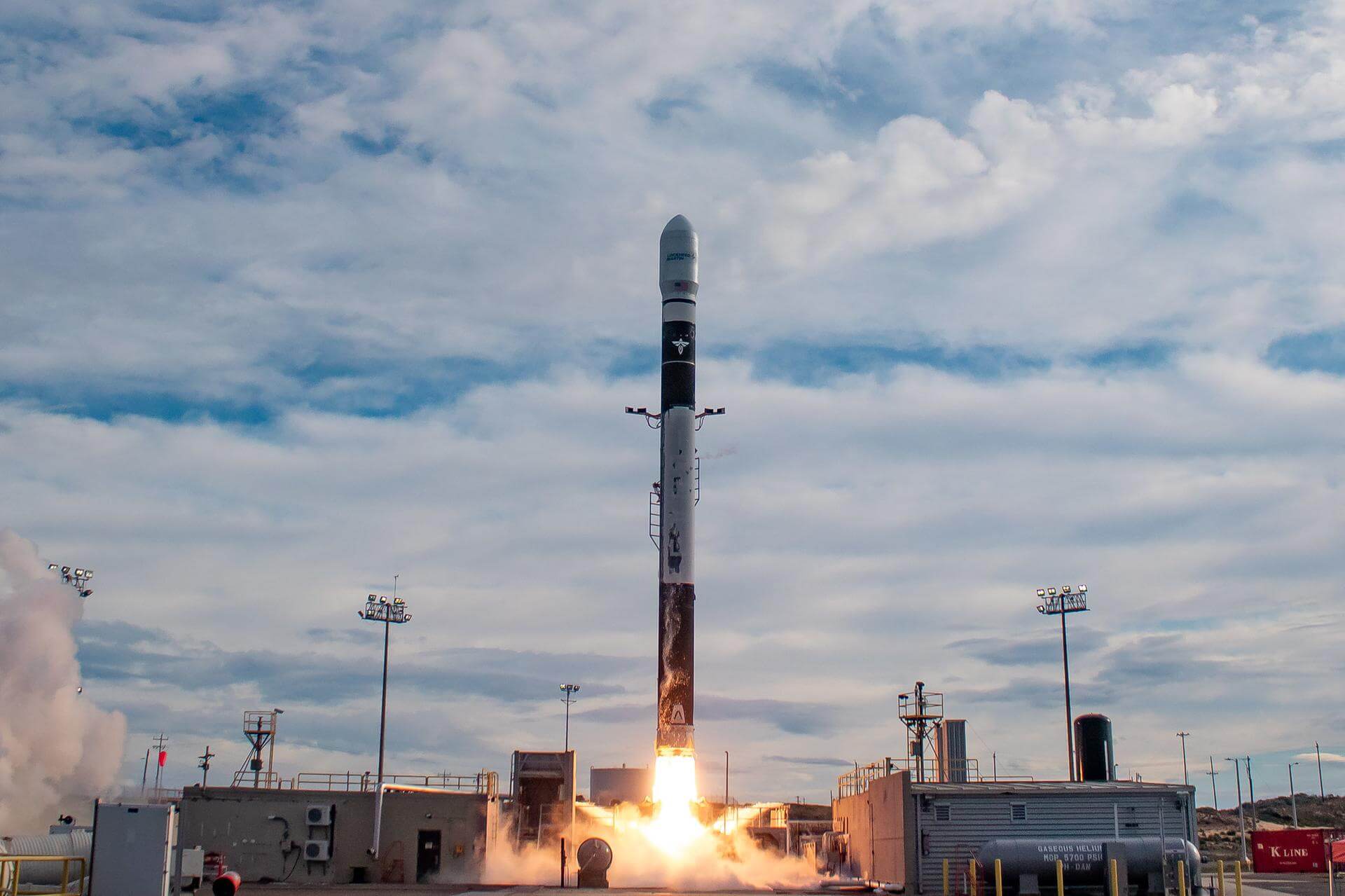
First of up to 25 launches of Low Earth Orbit technology demonstration satellites to be built and operated by Lockheed Martin. TacSat is an intelligence, surveillance and reconnaissance spacecraft with a mission to prove specialized sensing and communications capabilities on orbit. The satellite will participate in exercises that highlight cross-domain kill-web connectivity, enabling timely execution of tactical space missions. TacSat will host a proven Lockheed Martin infrared sensor on board that brings previously developed technology to space for the first time. This sensor produces high quality imagery and it can interface with federated Battle Management Command & Control (BMC2) combat systems to provide joint forces with a comprehensive view of threats. The satellite will also feature Lockheed Martin’s first 5G.MIL® payload on orbit. This provides cellular-like networking for military space assets, making satellite constellations more resilient. It also helps enable seamless connectivity with tools in the air, at sea and on land. Launch operation will also again demonstrate responsive space pre-launch operation capabilities.
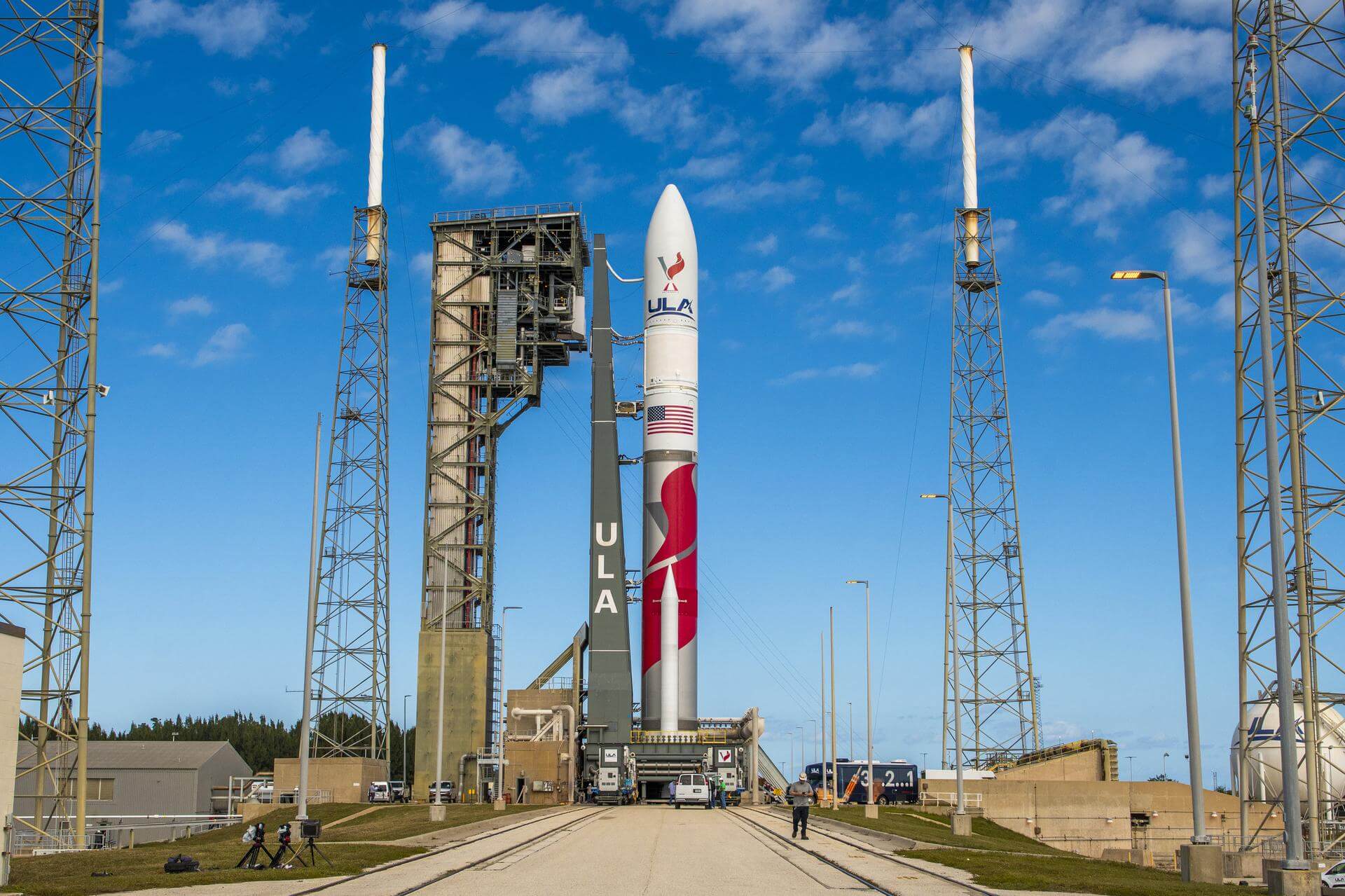
Classified mission launched by the Space Development Agency (SDA) for Tranche 2 Transport Layer.
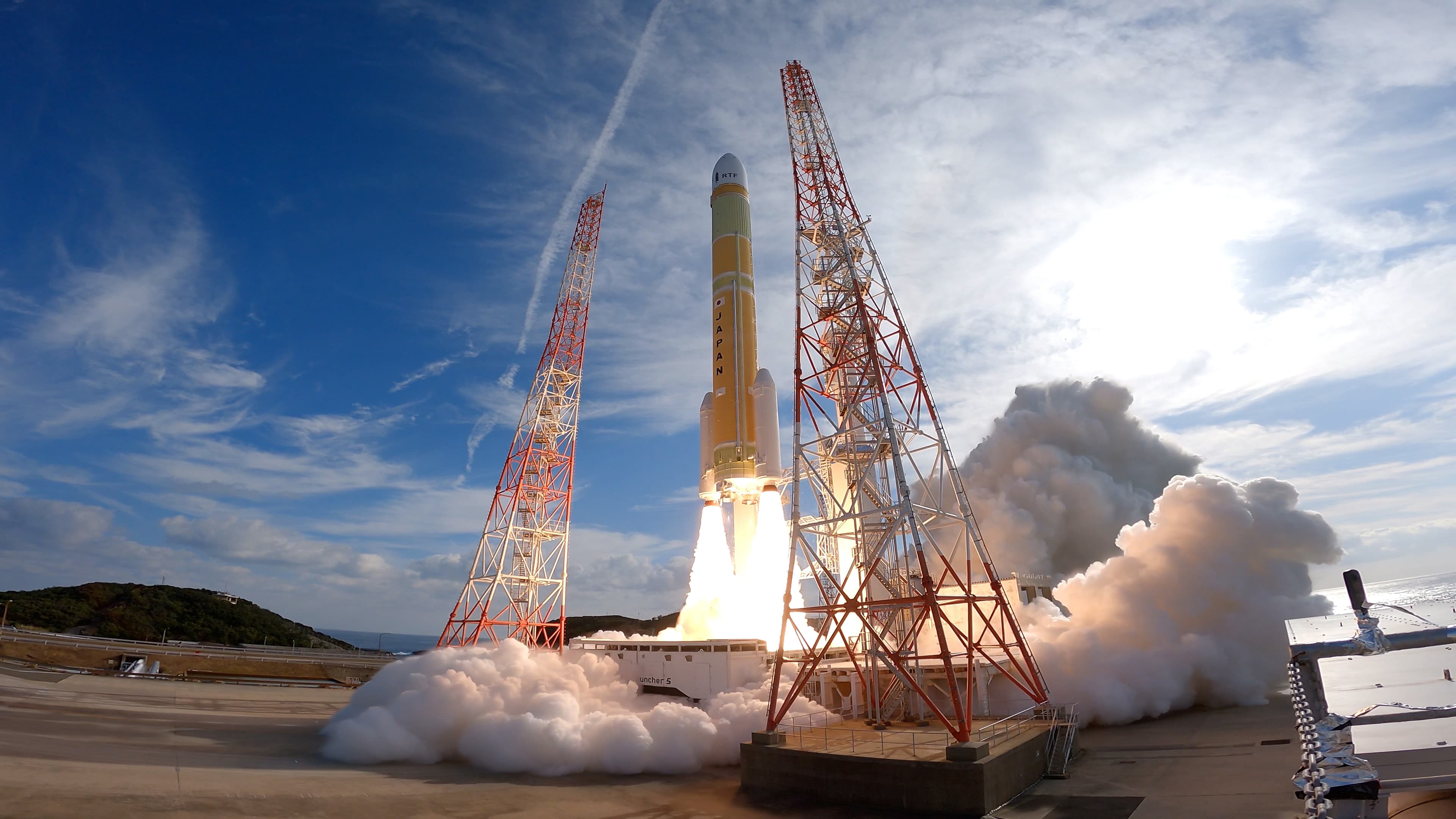
The Engineering Test Satellite 9 (ETS-9) is a JAXA project aimed to develop an advanced satellite bus, or common model, for various high-throughput satellites (HTS) for communications. The new satellite bus by Mitsubishi Electric will focus specifically on advanced communication needs: - Up to 25kW of power to support HTS communications - Light mass, all-electric bus system achieved with 6kW high-power Hall thrusters (Japan-made). - High-power Hall thrusters significantly shorten delivery of orbiting satellite compared to other manufacturer’s 4.5kW-class electric-propulsion bus systems - The first Japanese geostationary satellite equipped with GPS receivers (Japan-made) for laborsaving autonomous orbital transfer and orbital maneuvering.
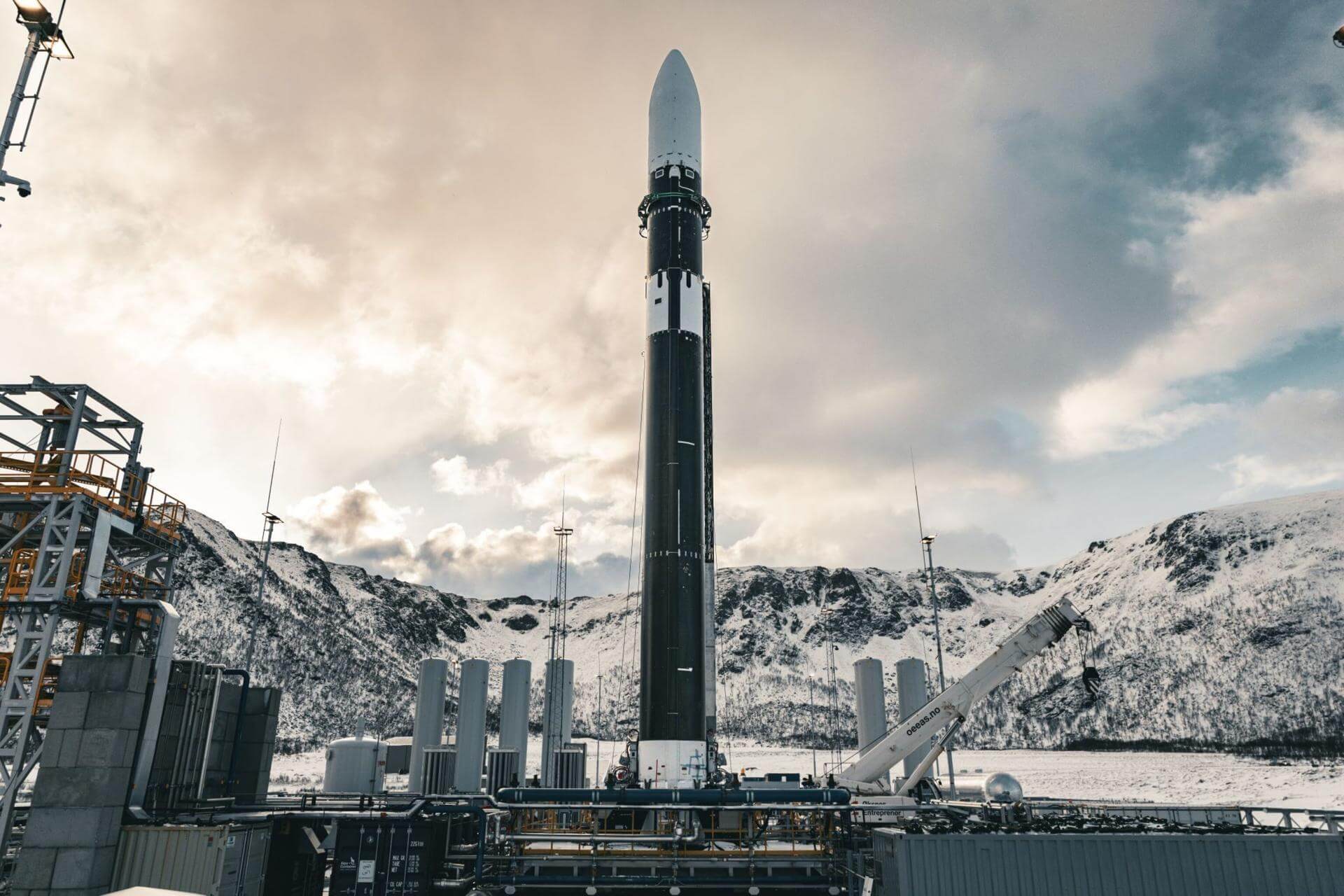
Three small satellites hosting payloads for companies across Europe as part of the ESA-European Union IOD (In-Orbit Demonstration) and IOV (In-Orbit Verification) programs.
Payload consists of two satellites for Europe's Galileo navigation system.