TBDASA
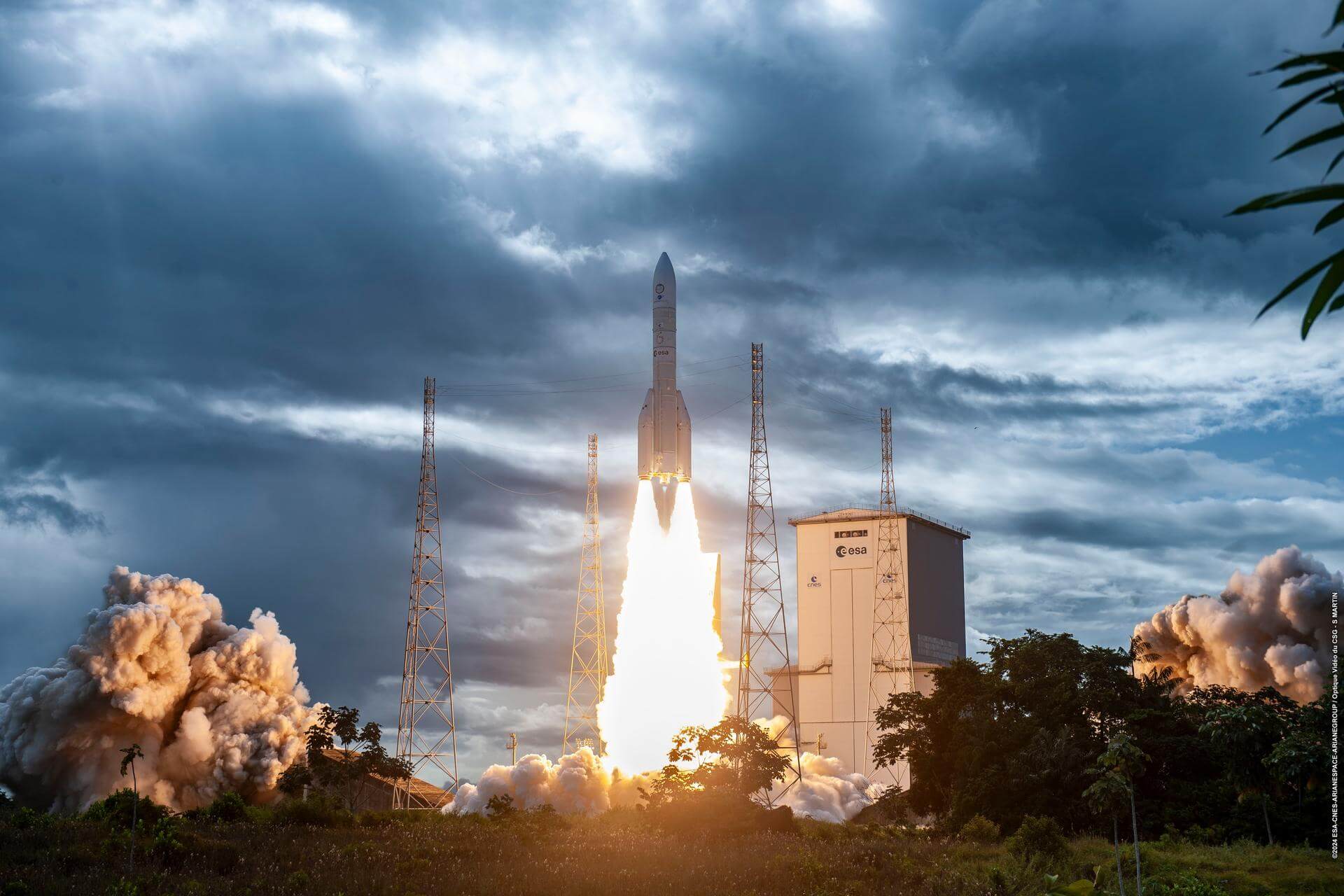
Ariane 62
Ariane 62 | Metop-SG B1
Second of EUMETSAT's second generation of Metop weather satellites.
Targeting November 2026
Target
November 2026
Time TBC
Pad
Ariane Launch Area 4
Guiana Space Centre

Second of EUMETSAT's second generation of Metop weather satellites.
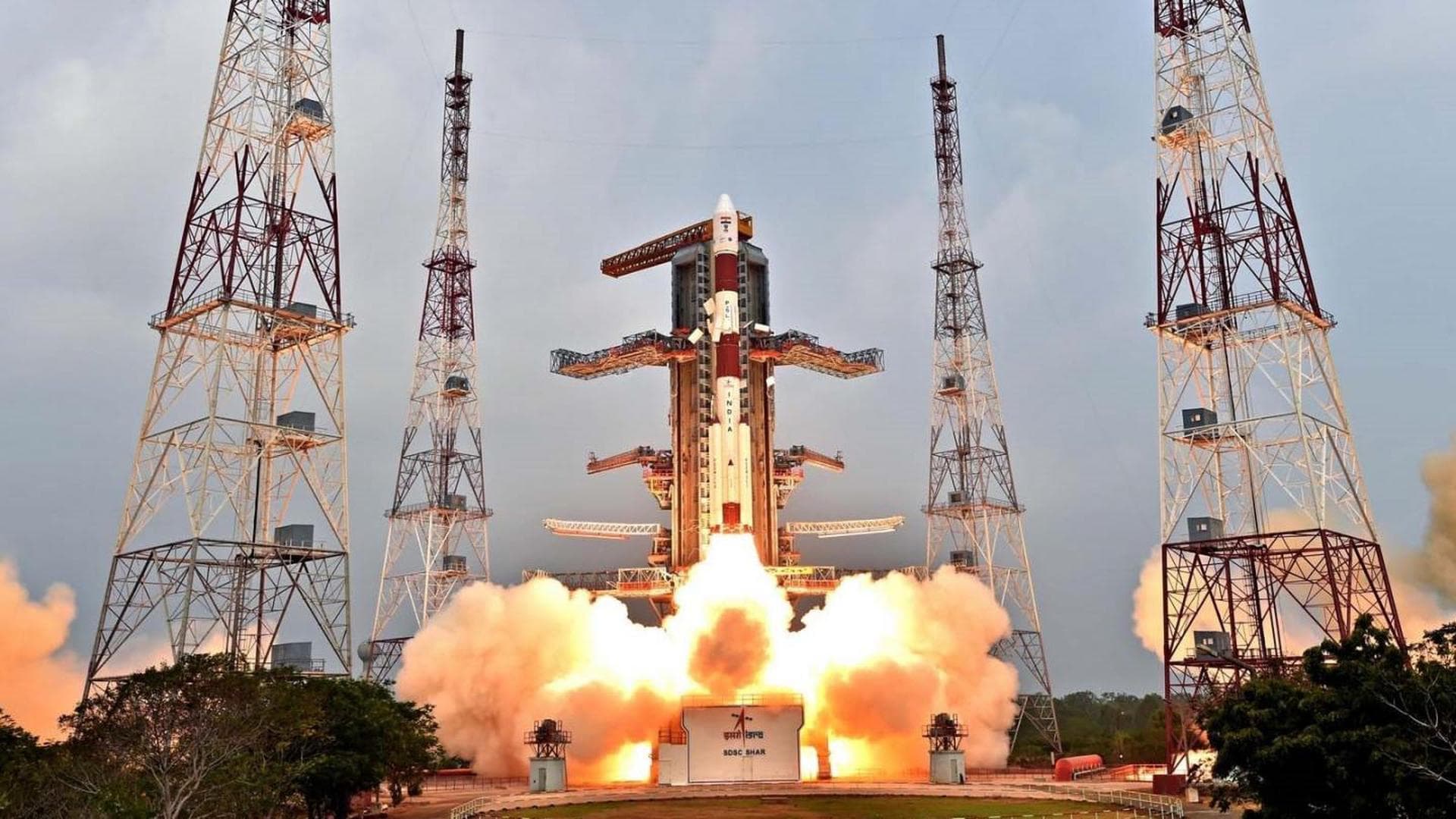
TDS-01 (Technology Demonstration Satellite-01) is an Indian geostationary orbit technology demonstration satellite carrying payloads for the Indian Space Research Organisation (ISRO)’s Institute of Plasma Research, Gandhinagar and the CSIR-CEERI, Pilani. Payloads to be tested included an internally developed 300 mN electric powered thrusters, atomic clocks, travelling wave tube amplifiers (TWTA) & a quantum communication suite (QuTDS).
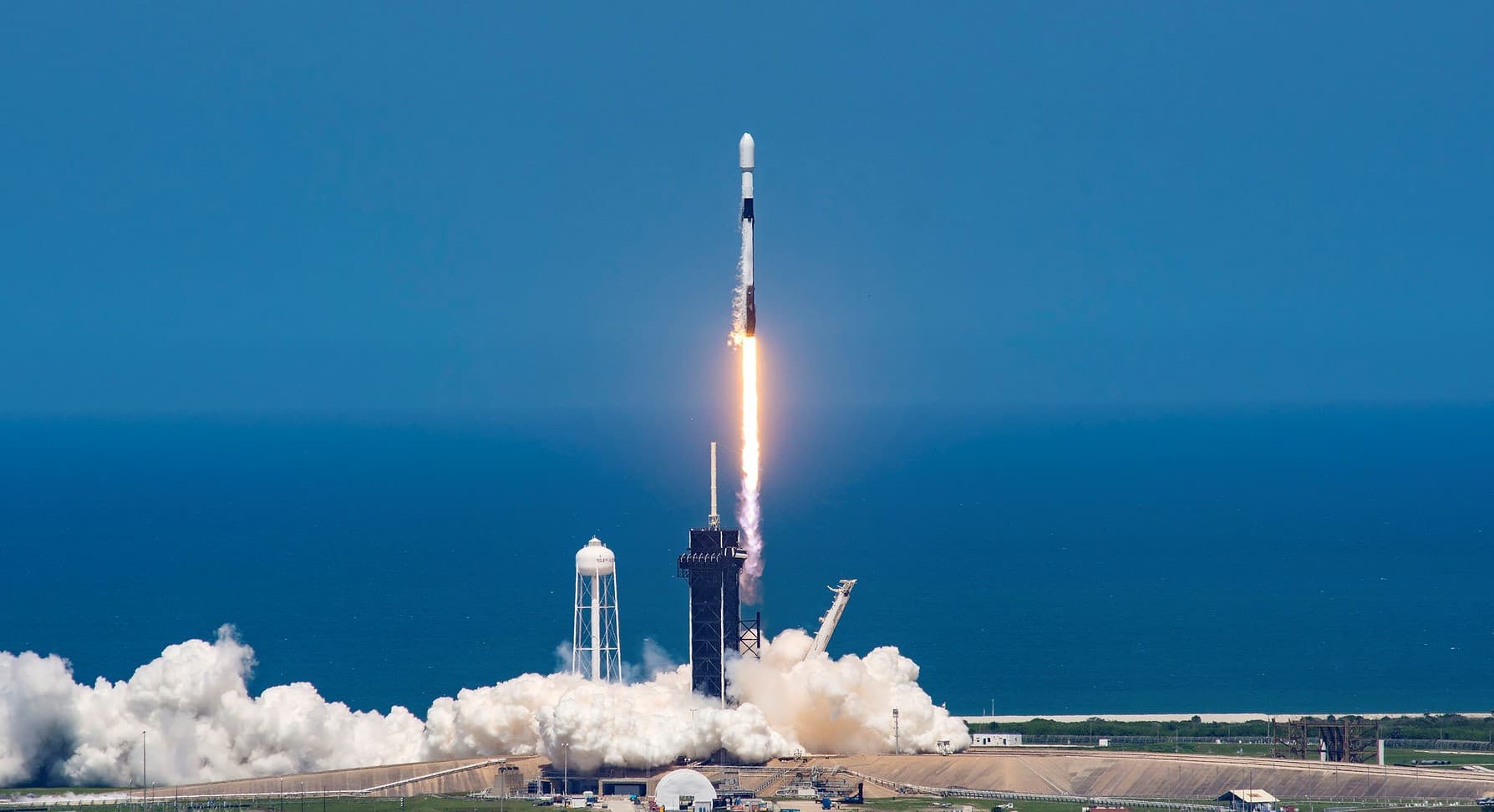
This is the 25th flight of the Orbital ATK's uncrewed resupply spacecraft Cygnus and its 24th flight to the International Space Station under the Commercial Resupply Services contract with NASA.
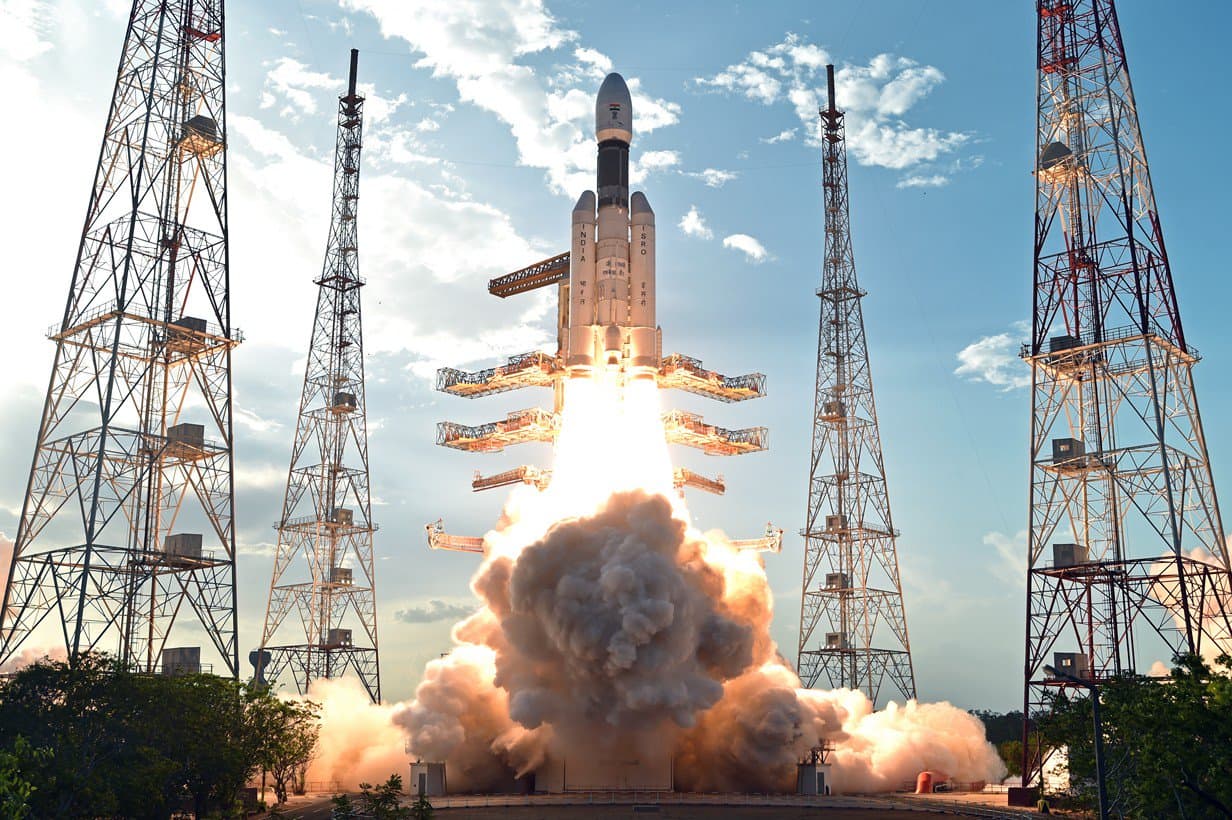
First uncrewed orbital test flight of the Gaganyaan capsule.
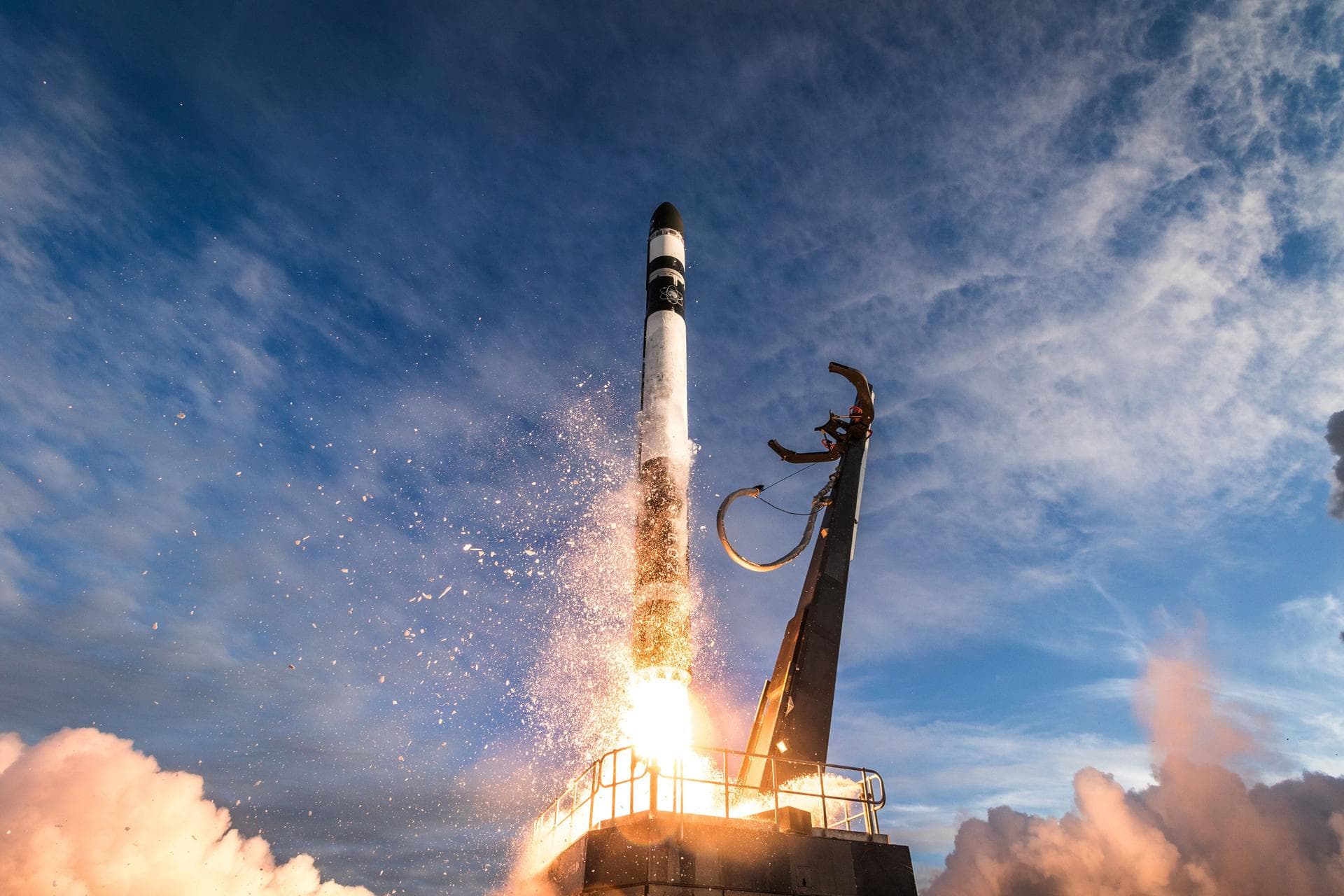
Inmarsat-7 is the seventh generation of satellites for the London-based global mobile satellite communications operator Inmarsat. The three satellites of the series - GX-7, 8 & 9 - will have an improved fully reconfigurable Ka-band payload for Inmarsat's Global Xpress services. They are optimized for real-time mobility and feature thousands of dynamically-formed beams that direct capacity with laser-like precision over high-demand areas, to provide HTS (High Throughput) broadband connectivity for the mobility market. The satellites will be based on Airbus’ new standard and fully reconfigurable satellite product line OneSat. Fully reconfigurable and featuring on board processing and active antennas, the three Ka-band spacecraft will be able to adjust their coverage, capacity and frequency.
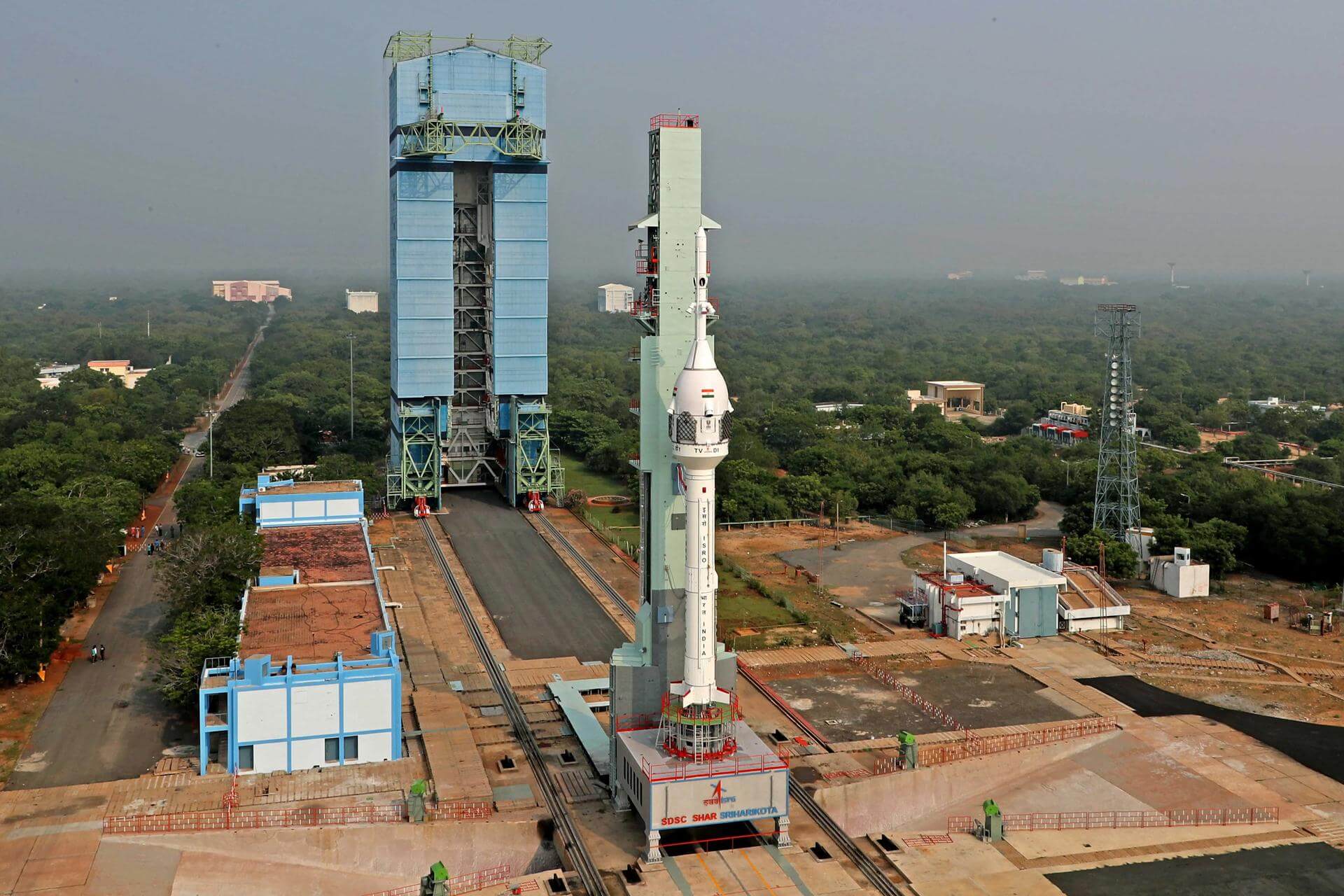
The second inflight abort test of the Gaganyaan program.
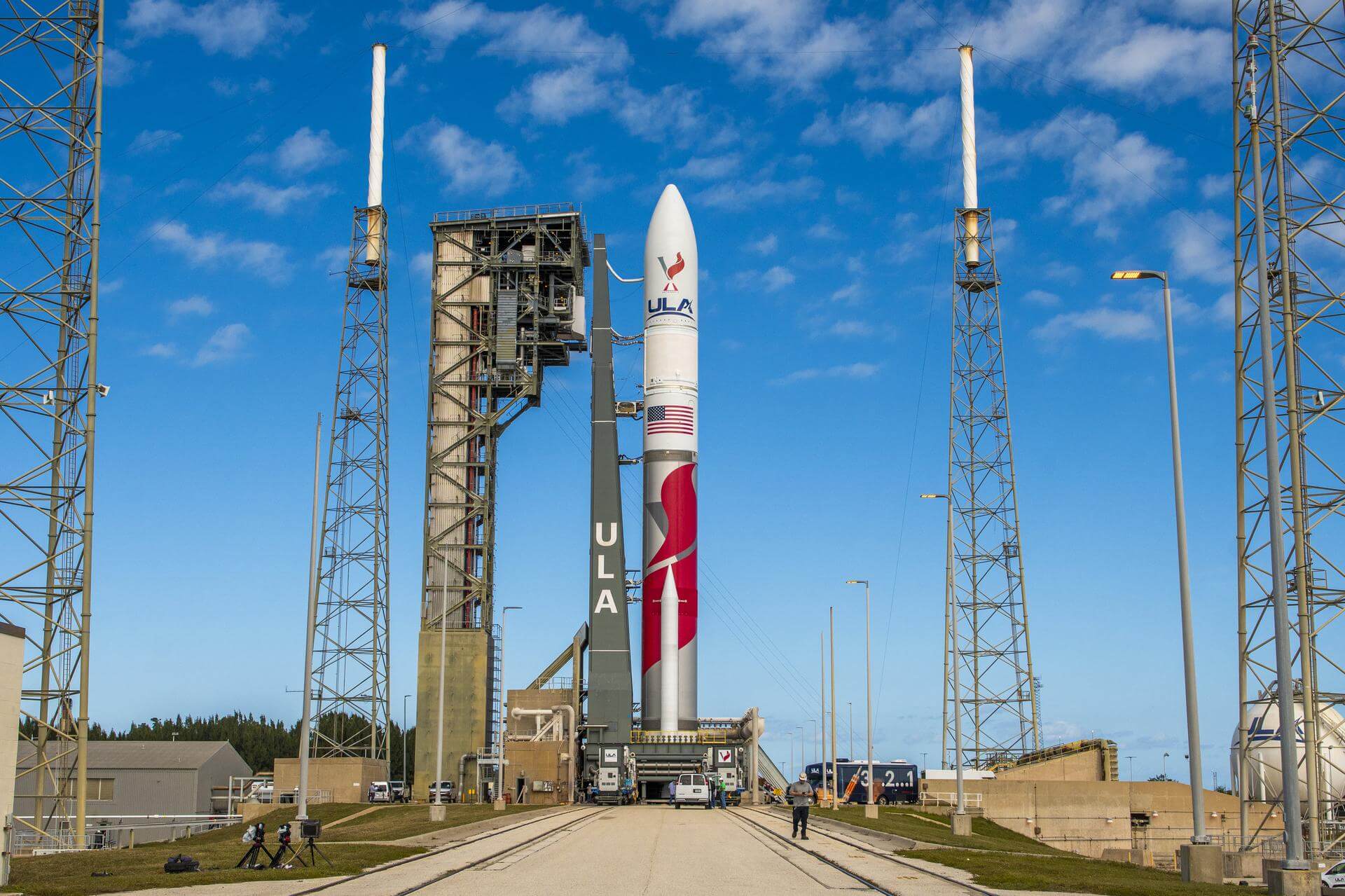
Classified payload for the US Space Force.
Classified mission launched by the Space Development Agency (SDA) for Tranche 2 Tracking Layer.