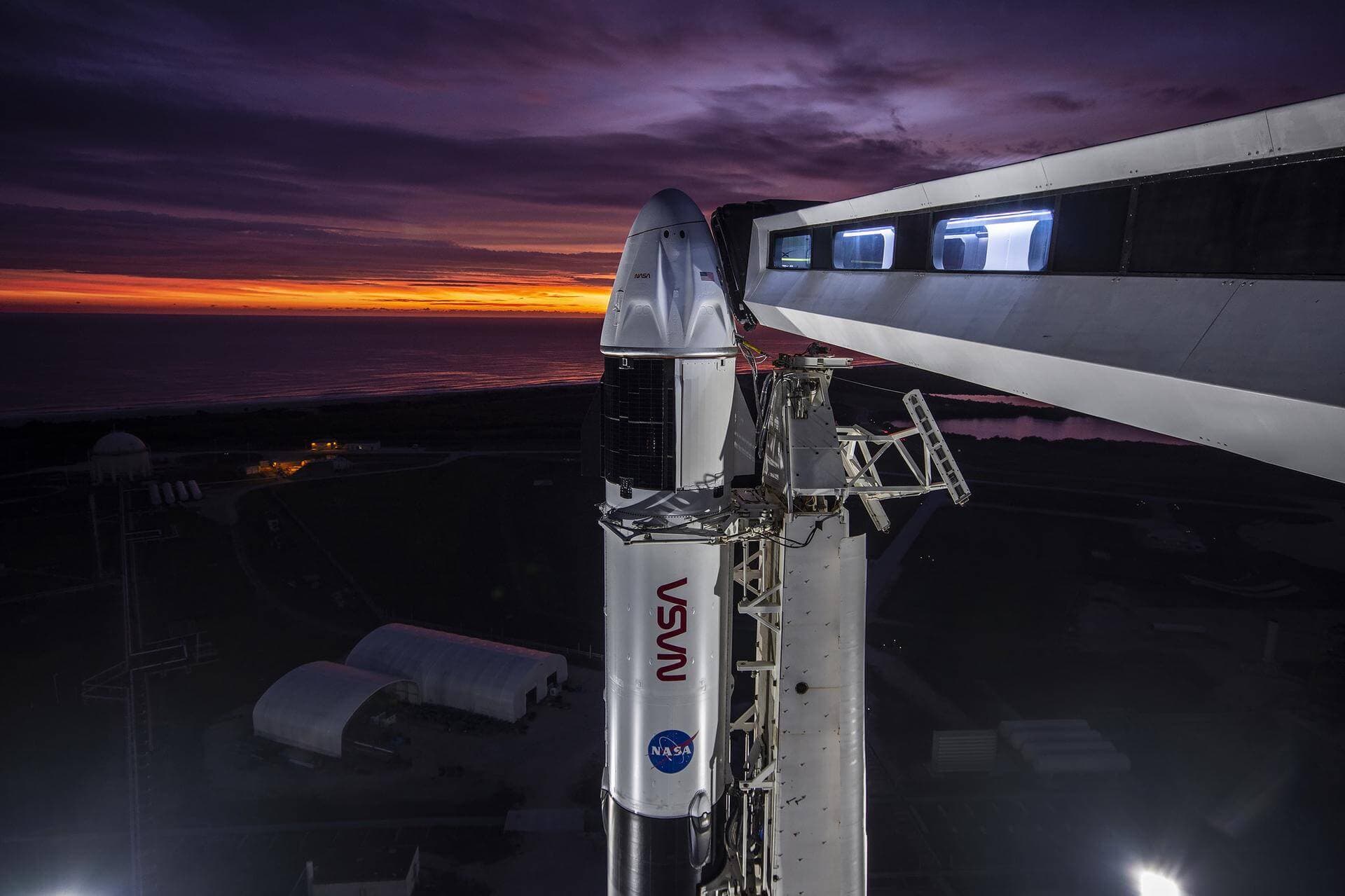
Falcon 9 Block 5 | Crew-17
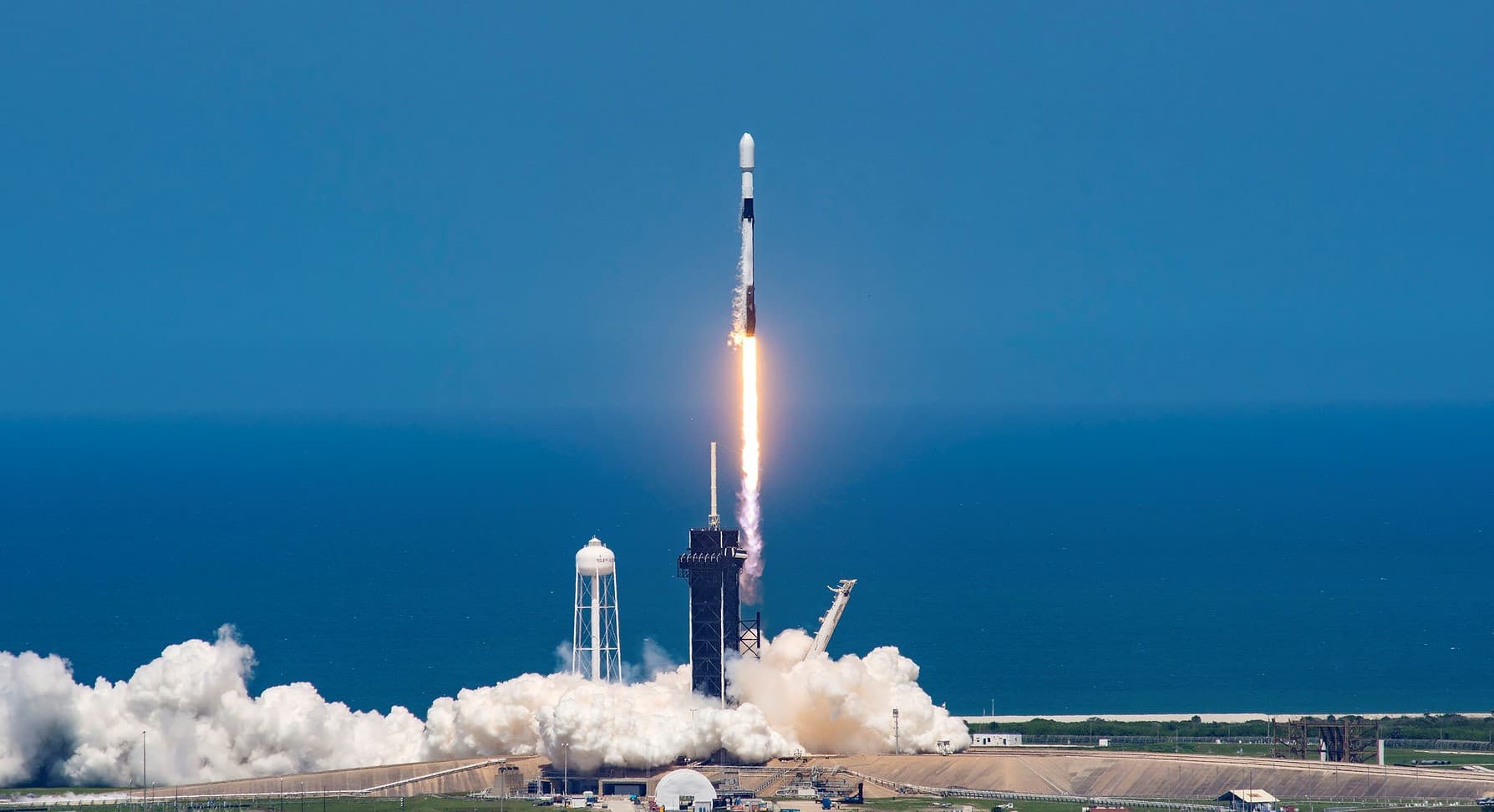
SpaceX Crew-17 is the seventeenth crewed operational flight of a Crew Dragon spacecraft to the International Space Station as part of NASA's Commercial Crew Program.

SpaceX Crew-17 is the seventeenth crewed operational flight of a Crew Dragon spacecraft to the International Space Station as part of NASA's Commercial Crew Program.

Intelsat 45 is a small geostationary communications satellite that will provide Ku-band fixed-satellite services enabling Intelsat to provide specialized and efficient service to Media and Network customers. IS-45 weighs about 1 metric ton at launch and is designed and built by SWISSto12, based on the company’s innovative HummingSat platform. HummingSats are just over one cubic meter in volume, one-tenth the size of conventional satellites placed in geostationary orbit. SWISSto12 is developing the satellites in collaboration with the European Space Agency (ESA) through its public-private-partnership program, benefiting from unique and patented 3D printing technologies.

Synthetic aperture radar Earth observation satellite for Japanese Earth imaging company iQPS.

Geostationary communications satellite built by Airbus Defence and Space for Emirati satellite operator Yahsat.

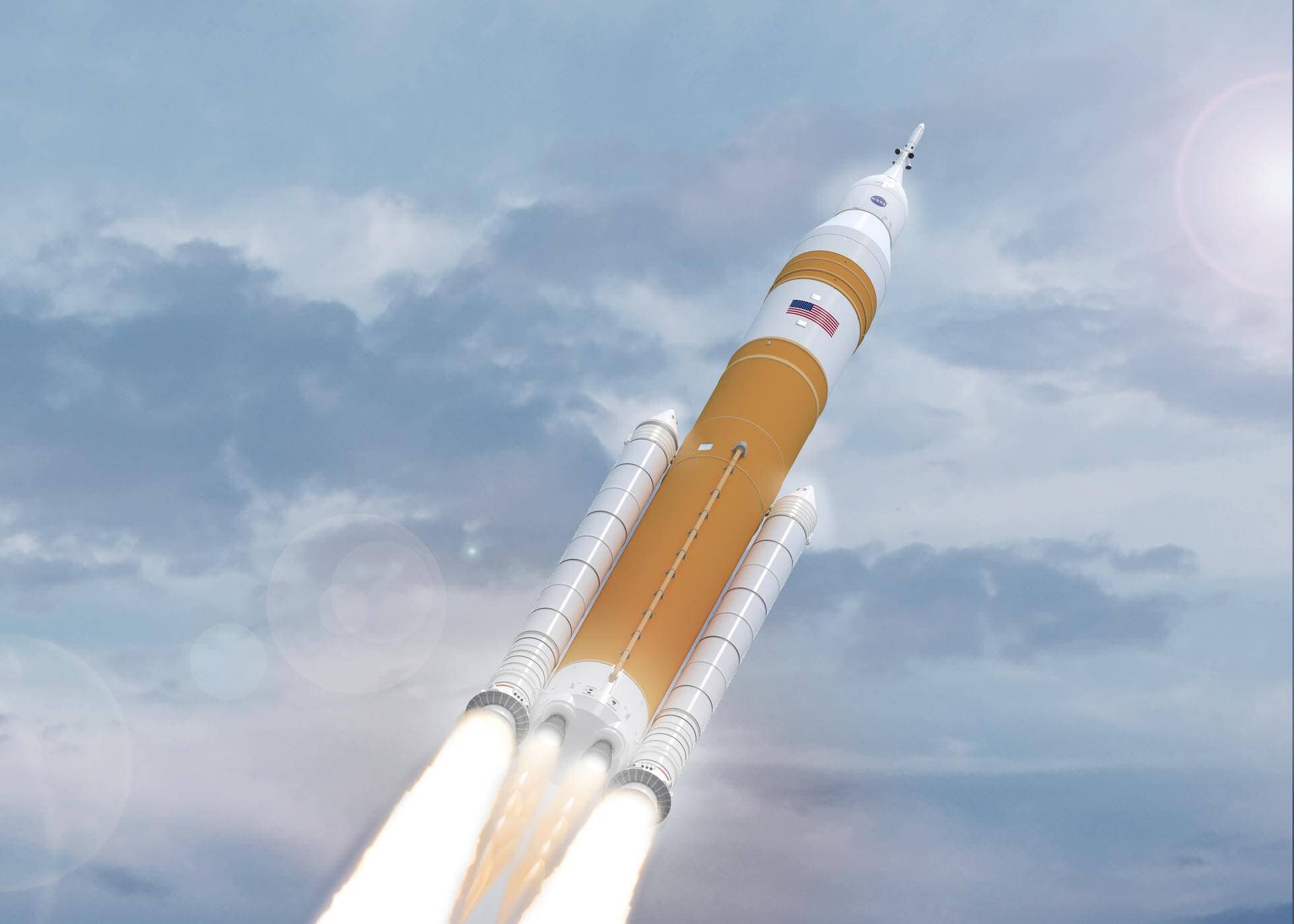
Artemis V is planned to be the second human lunar landing mission since the Apollo Program.

Maiden flight of the European Space Rider (Space Reusable Integrated Demonstrator for Europe Return).

A batch of satellites for the OneWeb satellite constellation, which is intended to provide global Internet broadband service for individual consumers. The constellation is planned to have around 648 microsatellites (of which 60 are spares), around 150 kg each, operating in Ku-band from low Earth orbit.

SpaceX Crew-16 is the sixteenth crewed operational flight of a Crew Dragon spacecraft to the International Space Station as part of NASA's Commercial Crew Program.

ispace Mission 3 will be the first mission to feature ispace’s new ULTRA lunar lander, a larger and more capable lander design than the HAKUTO-R that attempted to land on the Moon twice before. The lander will carry payloads for Science Tokyo, TASA, ispace, UEL, JALUX and Magna Petra Corp.

KPS-1 is South Korea's first navigation satellite, the 1st of 8 satellites planned for the Korean Positioning System (KPS). This will be one of 5 satellites to be deployed into an Inclined Geosynchronous Orbit (IGSO), with the other 3 in geostationary orbits. The KPS is scheduled to be completed by 2035.

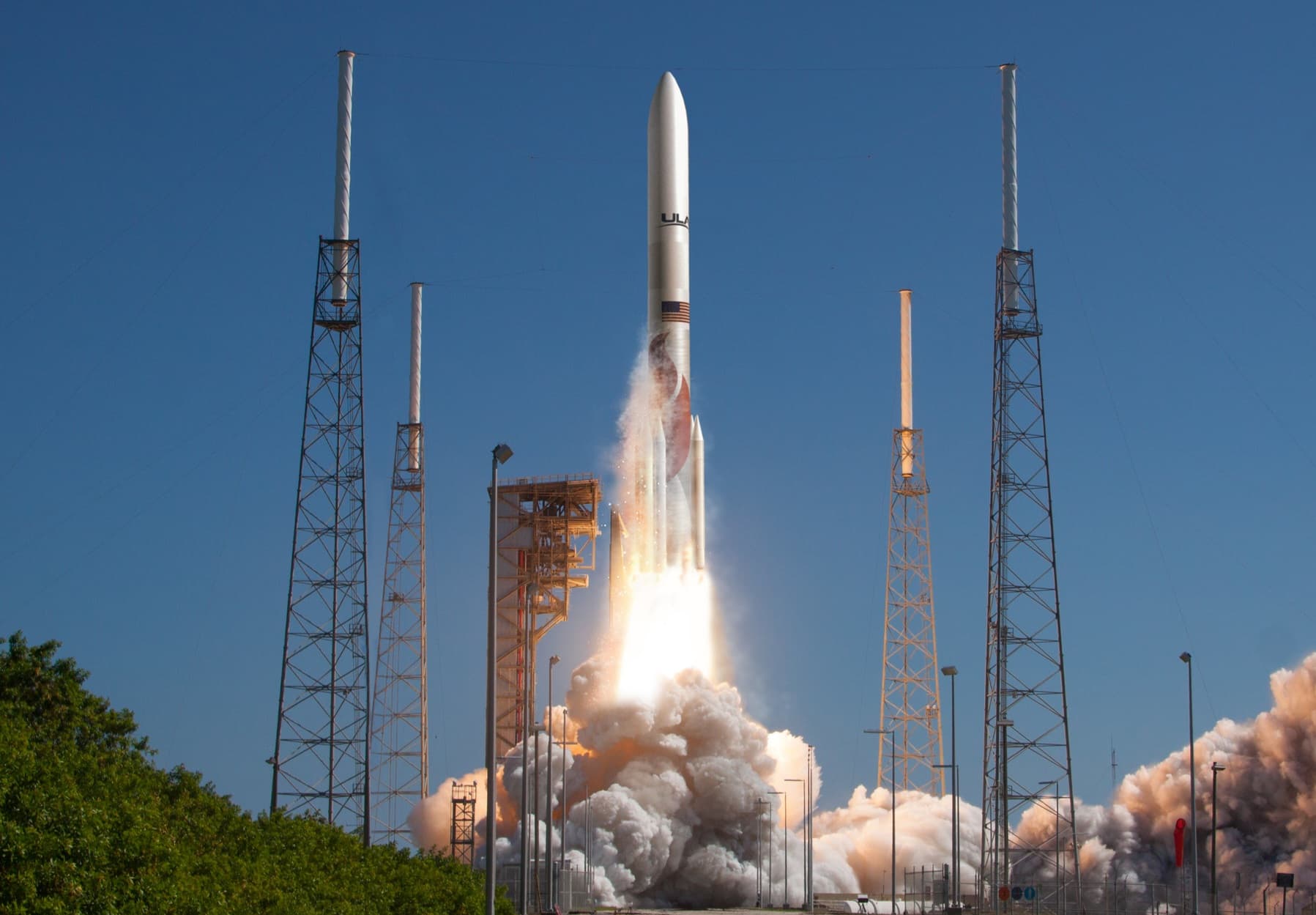
Amazon Leo, formerly known as Project Kuiper, is a mega constellation of satellites in Low Earth Orbit that will offer broadband internet access, this constellation will be managed by Kuiper Systems LLC, a subsidiary of Amazon. This constellation is planned to be composed of 3,276 satellites. The satellites are projected to be placed in 98 orbital planes in three orbital layers, one at 590 km, 610 km and 630 km altitude. 45 satellites will be carried on each Vulcan launch.

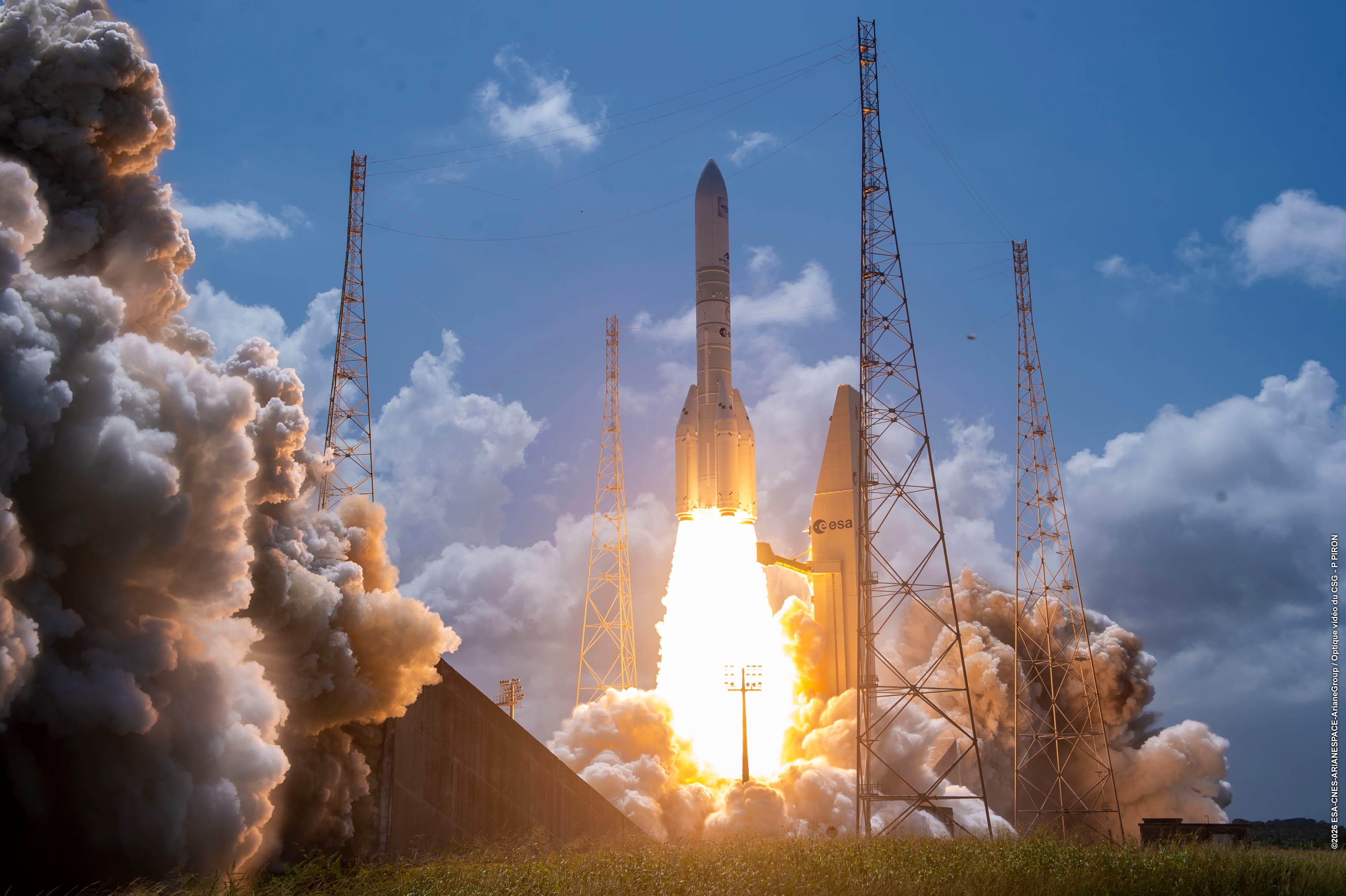
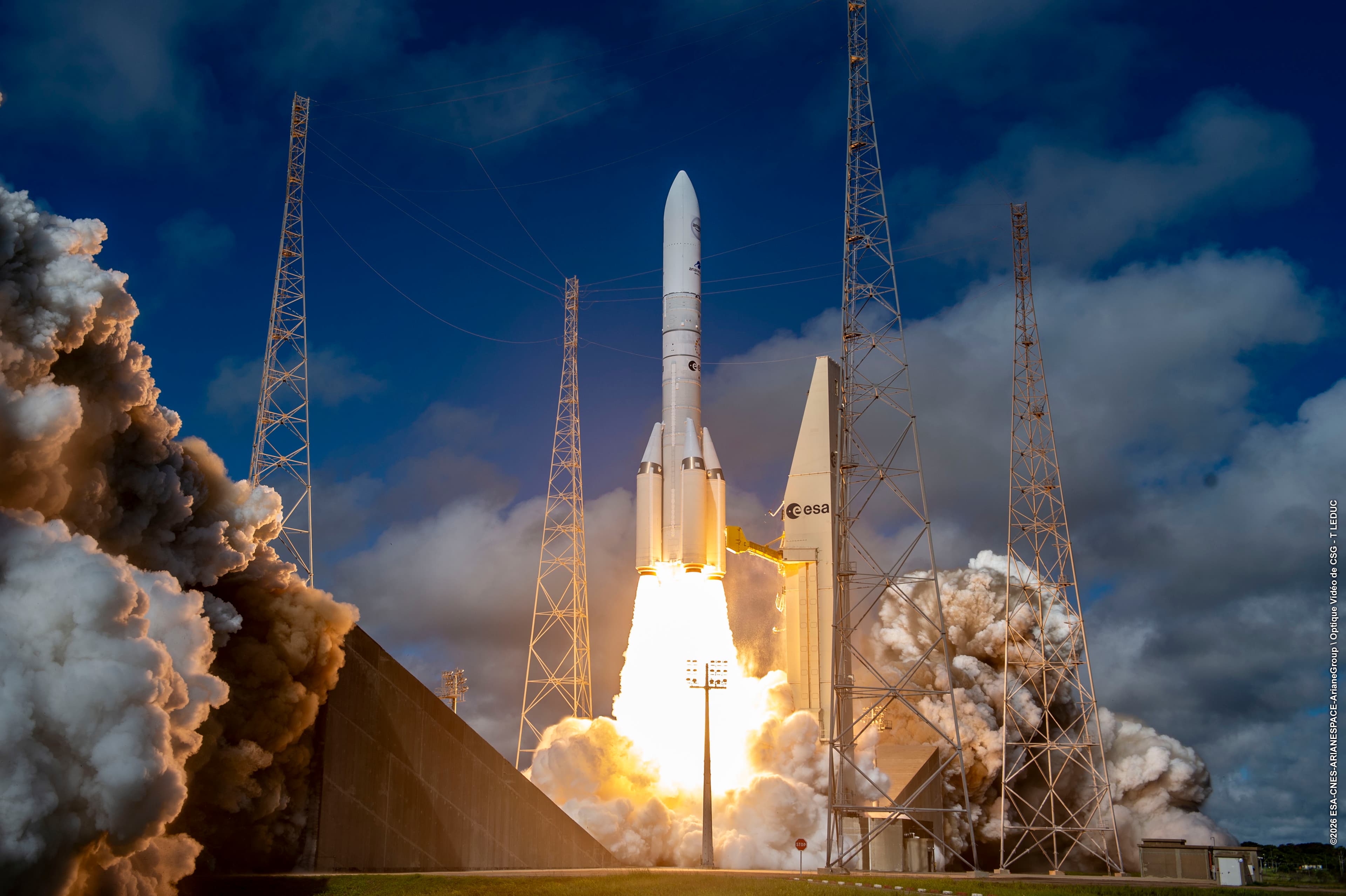
Amazon Leo, formerly known as Project Kuiper, is a mega constellation of satellites in Low Earth Orbit that will offer broadband internet access, this constellation will be managed by Kuiper Systems LLC, a subsidiary of Amazon. This constellation is planned to be composed of 3,276 satellites. The satellites are projected to be placed in 98 orbital planes in three orbital layers, one at 590 km, 610 km and 630 km altitude. 35-40 satellites will be carried on each Ariane 6 launch.