
TBDRL
Electron
Electron | StriX Launch 30
Synthetic aperture radar satellite for Japanese Earth imaging company Synspective.
Targeting 2020s
Target
2020s
Time TBC
Pad
Unknown Pad
Rocket Lab Launch Complex 1, Mahia Peninsula

Synthetic aperture radar satellite for Japanese Earth imaging company Synspective.
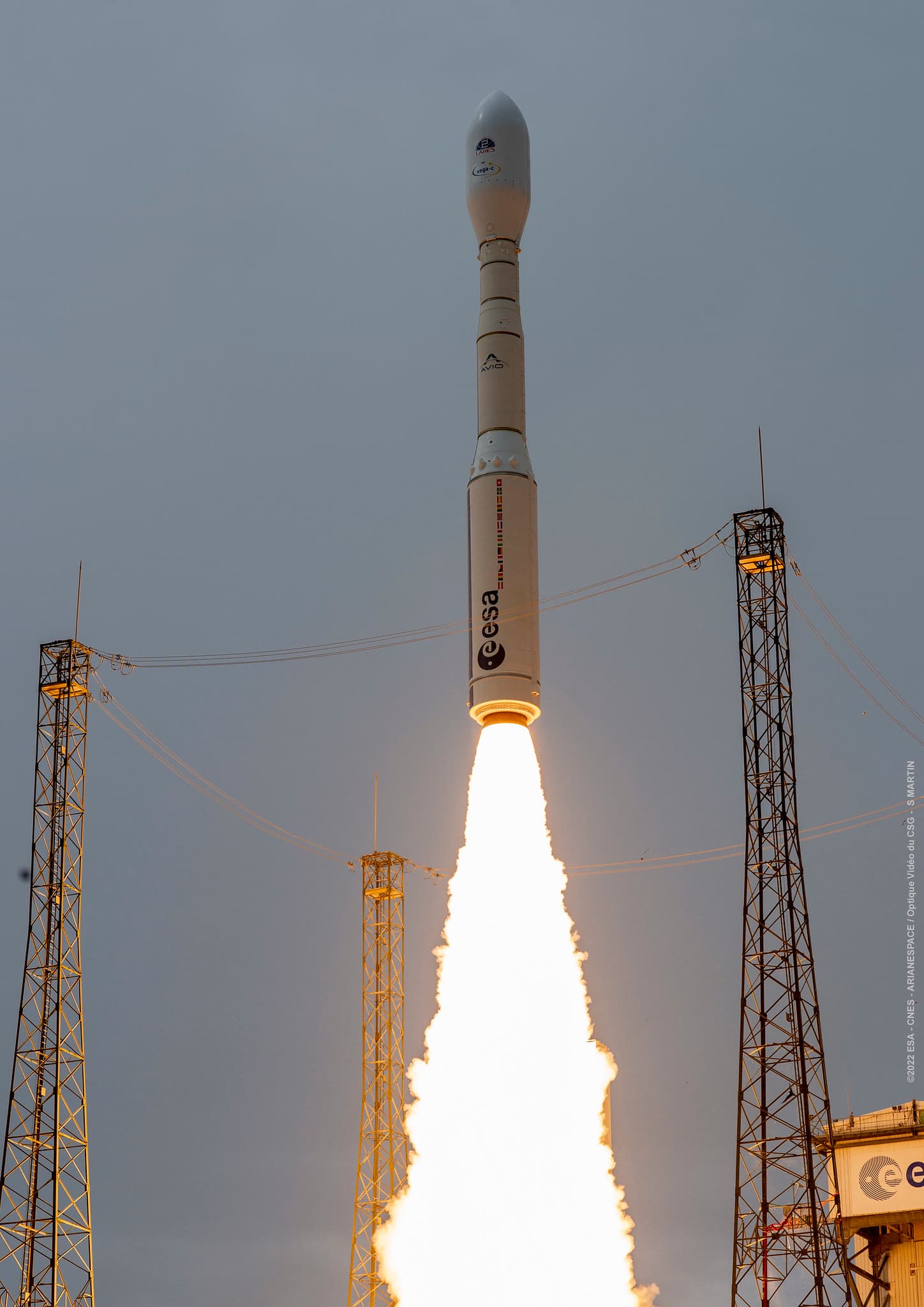
The Surface Biology and Geology - Thermal Infrared (SBG-TIR) Earth Observation mission aims to provide radiometric and multispectral measurements of terrestrial and aquatic emissions for climate, ecological, and geological analyses, and to support practical applications such as food security and water management. The thermal infrared (TIR) radiometer is provided by NASA, while the VIS-NIR camera is provided by ASI. Their combination ensures high-quality observations, enabling the investigation of terrestrial and marine ecosystems, monitoring of water resources, and phenomena related to high temperatures such as wildfires and volcanic eruptions.
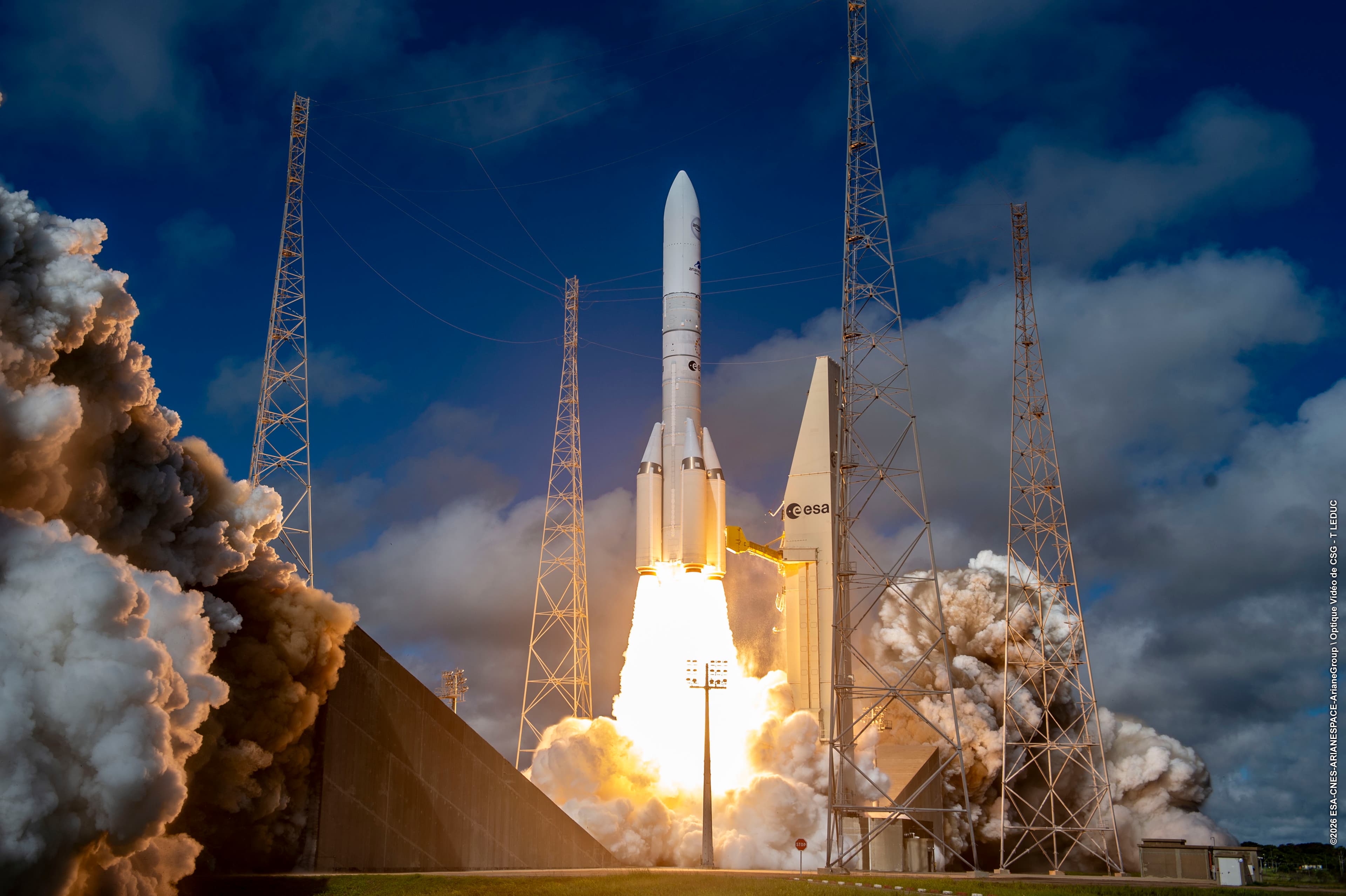
Amazon Leo, formerly known as Project Kuiper, is a mega constellation of satellites in Low Earth Orbit that will offer broadband internet access, this constellation will be managed by Kuiper Systems LLC, a subsidiary of Amazon. This constellation is planned to be composed of 3,276 satellites. The satellites are projected to be placed in 98 orbital planes in three orbital layers, one at 590 km, 610 km and 630 km altitude. 35-40 satellites will be carried on each Ariane 6 launch.
Synthetic aperture radar satellite for Japanese Earth imaging company Synspective.
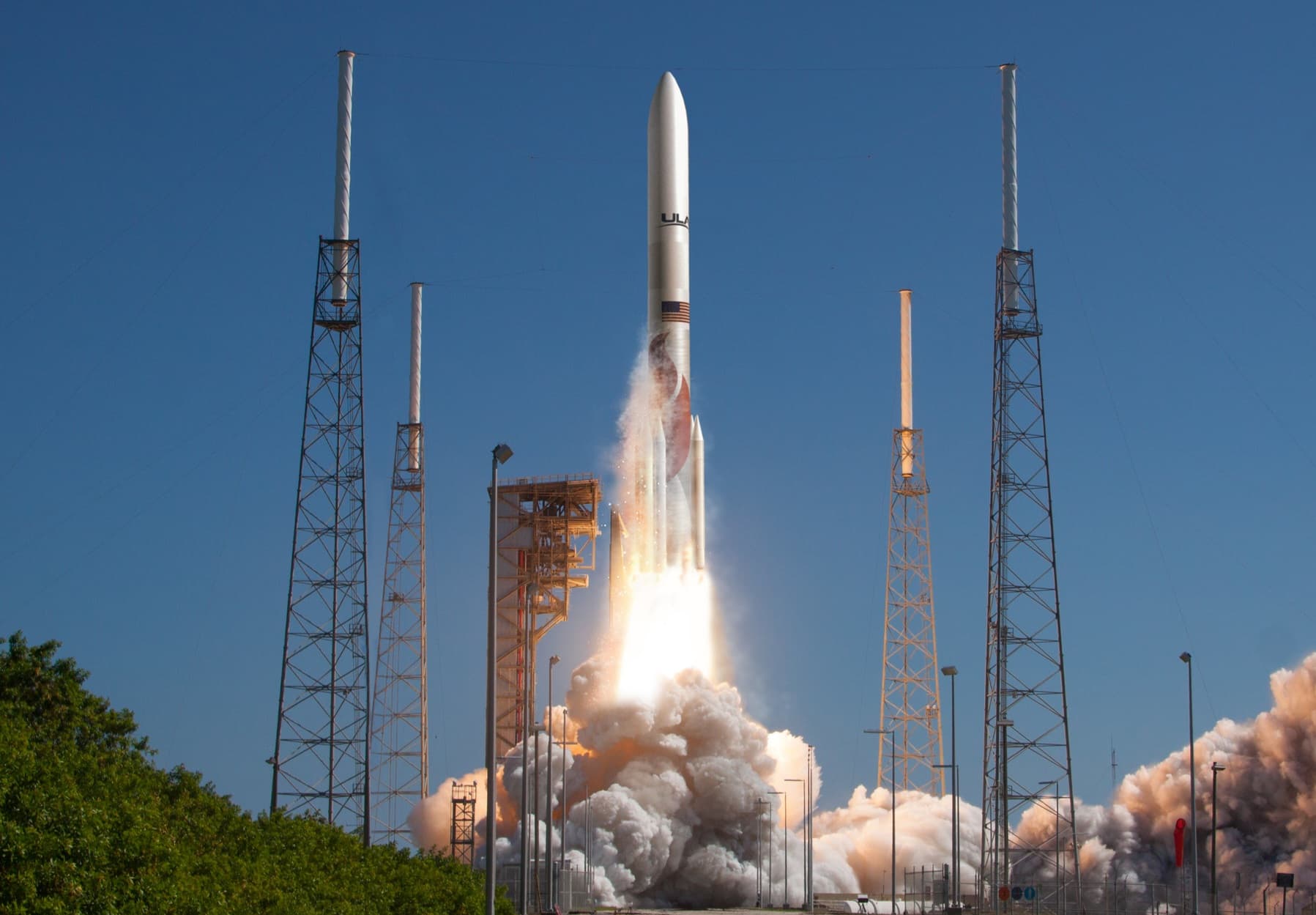
Amazon Leo, formerly known as Project Kuiper, is a mega constellation of satellites in Low Earth Orbit that will offer broadband internet access, this constellation will be managed by Kuiper Systems LLC, a subsidiary of Amazon. This constellation is planned to be composed of 3,276 satellites. The satellites are projected to be placed in 98 orbital planes in three orbital layers, one at 590 km, 610 km and 630 km altitude. 45 satellites will be carried on each Vulcan launch.
Amazon Leo, formerly known as Project Kuiper, is a mega constellation of satellites in Low Earth Orbit that will offer broadband internet access, this constellation will be managed by Kuiper Systems LLC, a subsidiary of Amazon. This constellation is planned to be composed of 3,276 satellites. The satellites are projected to be placed in 98 orbital planes in three orbital layers, one at 590 km, 610 km and 630 km altitude. 35-40 satellites will be carried on each Ariane 6 launch.
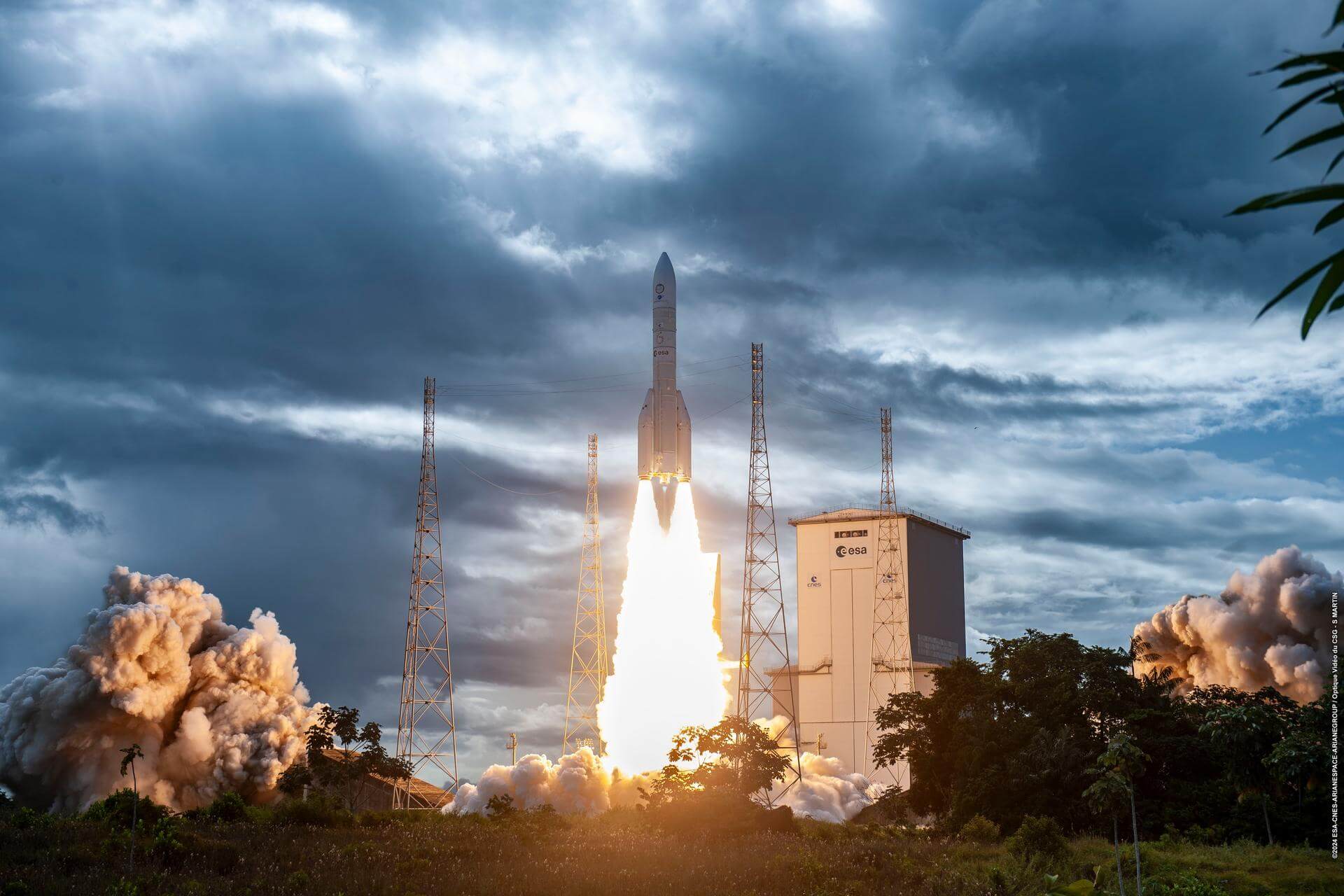
Payload consists of two satellites for Europe's second generation Galileo navigation system.
Amazon Leo, formerly known as Project Kuiper, is a mega constellation of satellites in Low Earth Orbit that will offer broadband internet access, this constellation will be managed by Kuiper Systems LLC, a subsidiary of Amazon. This constellation is planned to be composed of 3,276 satellites. The satellites are projected to be placed in 98 orbital planes in three orbital layers, one at 590 km, 610 km and 630 km altitude. 45 satellites will be carried on each Vulcan launch.
Amazon Leo, formerly known as Project Kuiper, is a mega constellation of satellites in Low Earth Orbit that will offer broadband internet access, this constellation will be managed by Kuiper Systems LLC, a subsidiary of Amazon. This constellation is planned to be composed of 3,276 satellites. The satellites are projected to be placed in 98 orbital planes in three orbital layers, one at 590 km, 610 km and 630 km altitude. 45 satellites will be carried on each Vulcan launch.
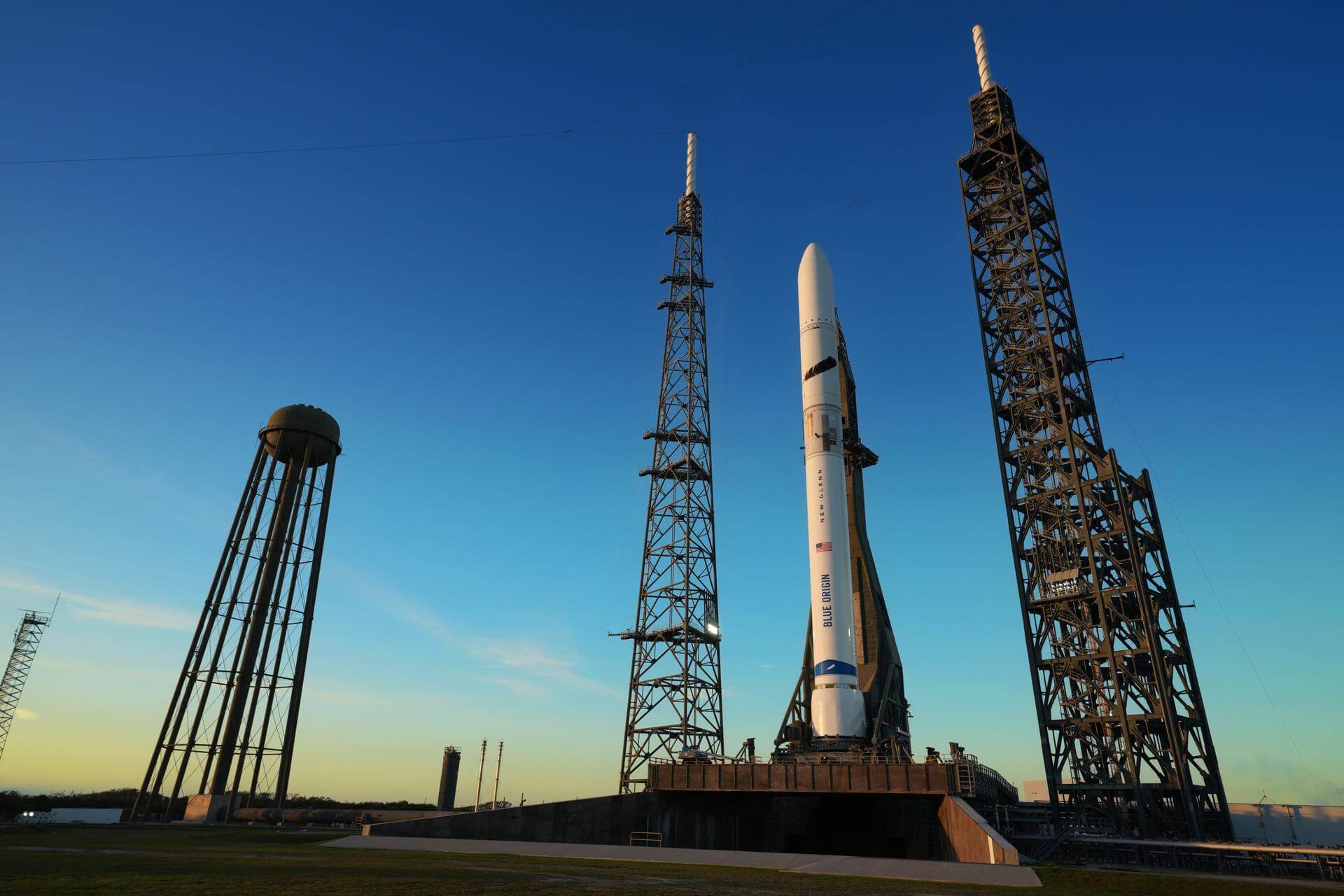
Amazon Leo, formerly known as Project Kuiper, is a mega constellation of satellites in Low Earth Orbit that will offer broadband internet access, this constellation will be managed by Kuiper Systems LLC, a subsidiary of Amazon. This constellation is planned to be composed of 3,276 satellites. The satellites are projected to be placed in 98 orbital planes in three orbital layers, one at 590 km, 610 km and 630 km altitude. 48 satellites will be carried on each New Glenn launch.
Amazon Leo, formerly known as Project Kuiper, is a mega constellation of satellites in Low Earth Orbit that will offer broadband internet access, this constellation will be managed by Kuiper Systems LLC, a subsidiary of Amazon. This constellation is planned to be composed of 3,276 satellites. The satellites are projected to be placed in 98 orbital planes in three orbital layers, one at 590 km, 610 km and 630 km altitude. 45 satellites will be carried on each Vulcan launch.