TBDSKR
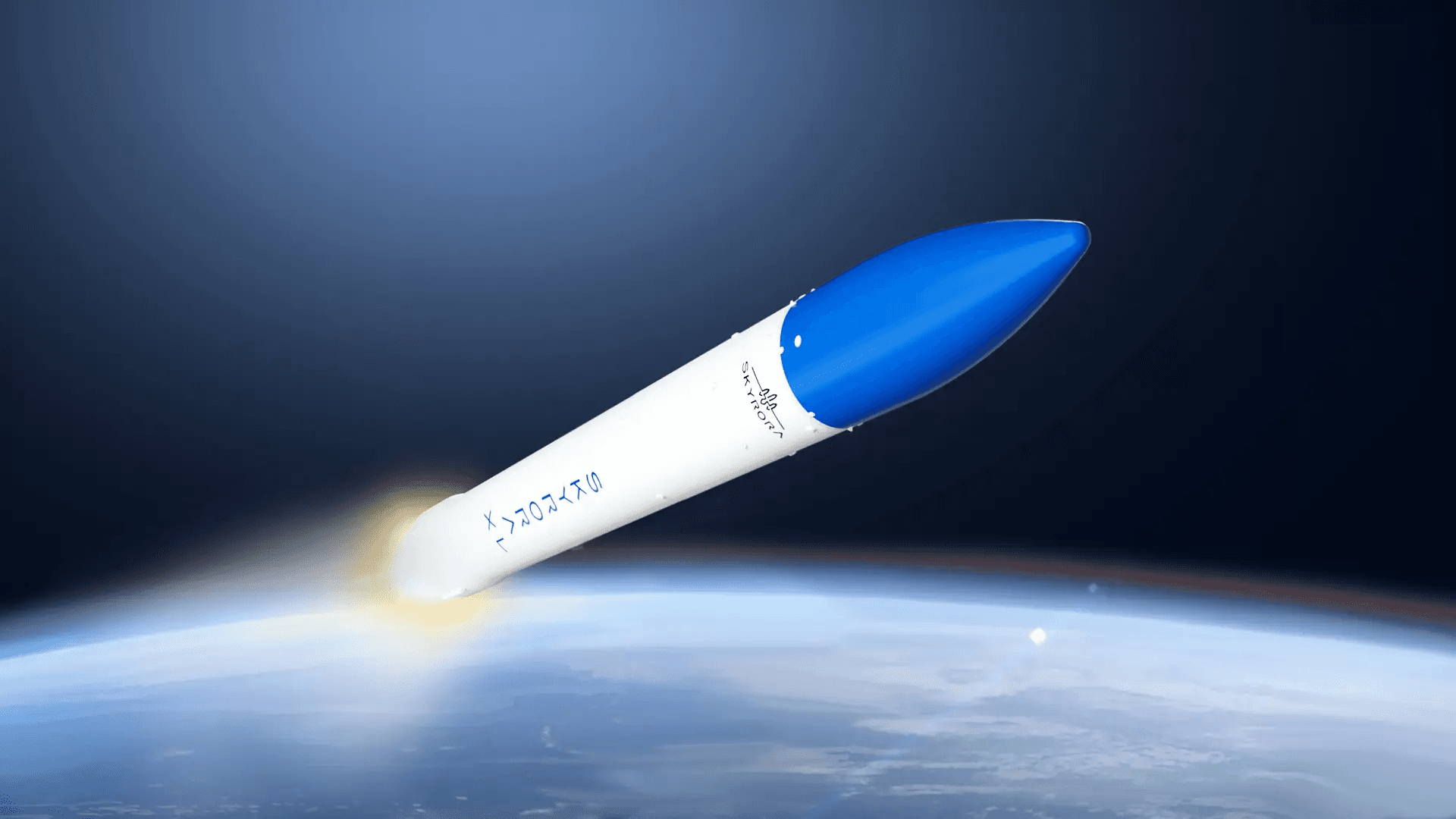
Skyrora XL
Skyrora XL | Maiden flight
First flight of the Skyrora XL launch vehicle
Targeting 2027
Target
2027
Time TBC
Pad
Launch Pad Fredo
SaxaVord Spaceport

First flight of the Skyrora XL launch vehicle
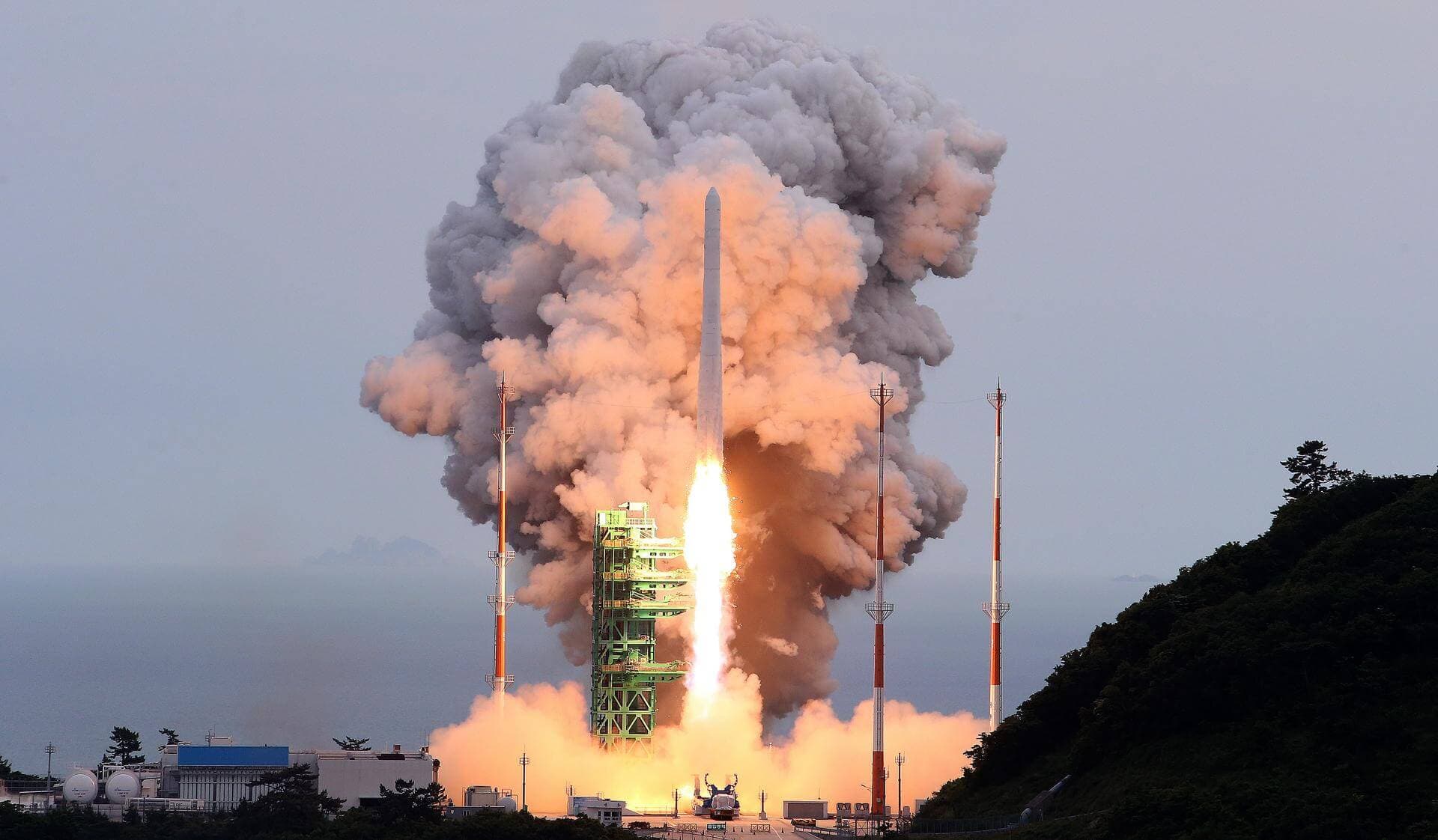
NeonSat-7 to 11 are part of the South Korean government's Earth observation micro-satellite constellation NeonSat (New-space Earth Observation Satellite). The NeonSat constellation is the first satellite system developed by the government using a mass-production approach for precise monitoring of the Korean Peninsula.
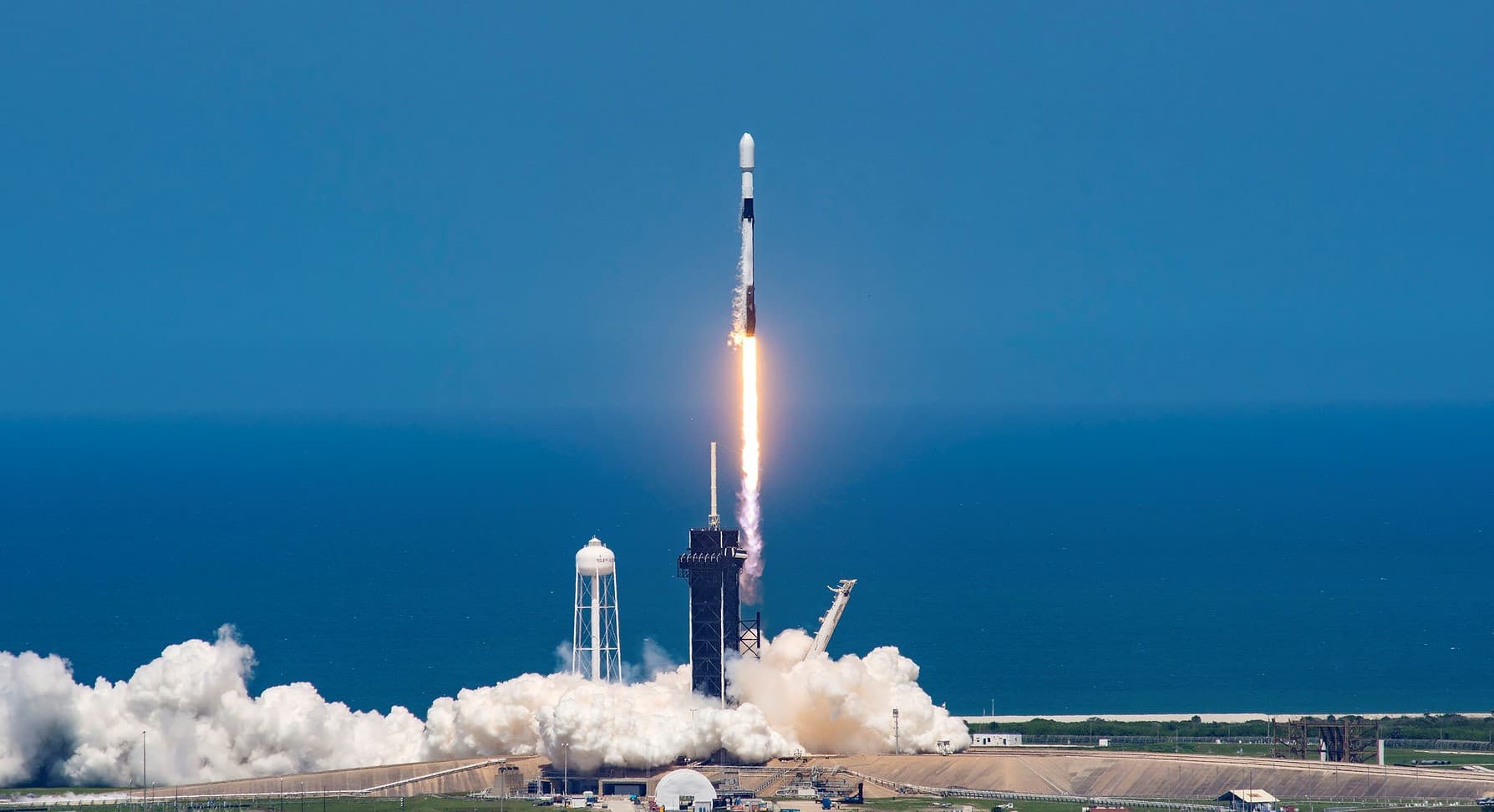
3.7-ton South Korean geostationary communications satellite also known as Chollian-3. Designed to replace GEO-Kompsat-1 launched in 2010, it features advanced payloads for communications, disaster prevention, maritime safety and the safe flight of aircraft
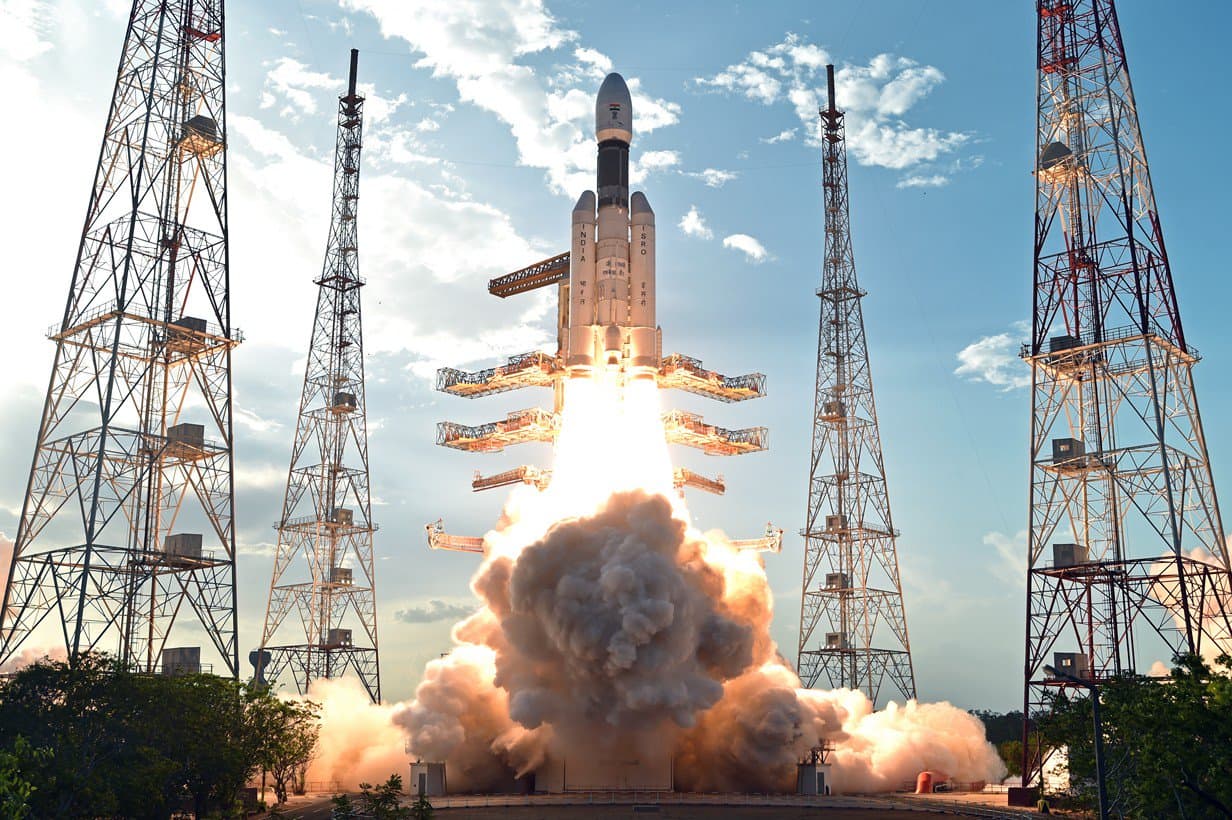
First crewed flight of the Gaganyaan capsule.
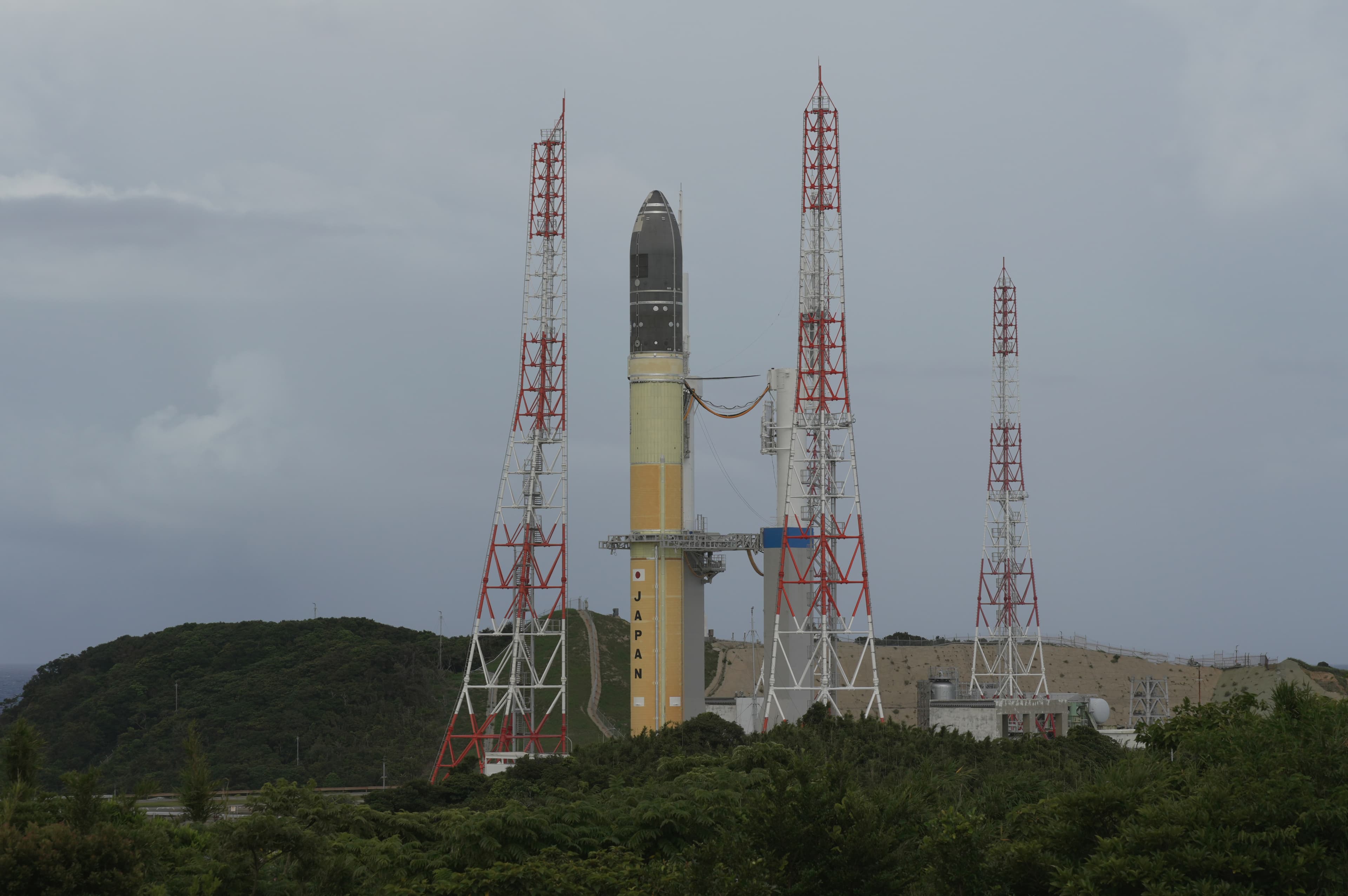
The IGS Optical Diversification 2 is a Japanese optical reconnaissance satellite. The satellite is operated by the Cabinet Satellite Information Center. The satellite serves both Japan's national defense and civil natural disaster monitoring.
First two high-capacity 5G D2D (Direct-to-Device) Tritó satellites for Spanish satellite operator Sateliot.
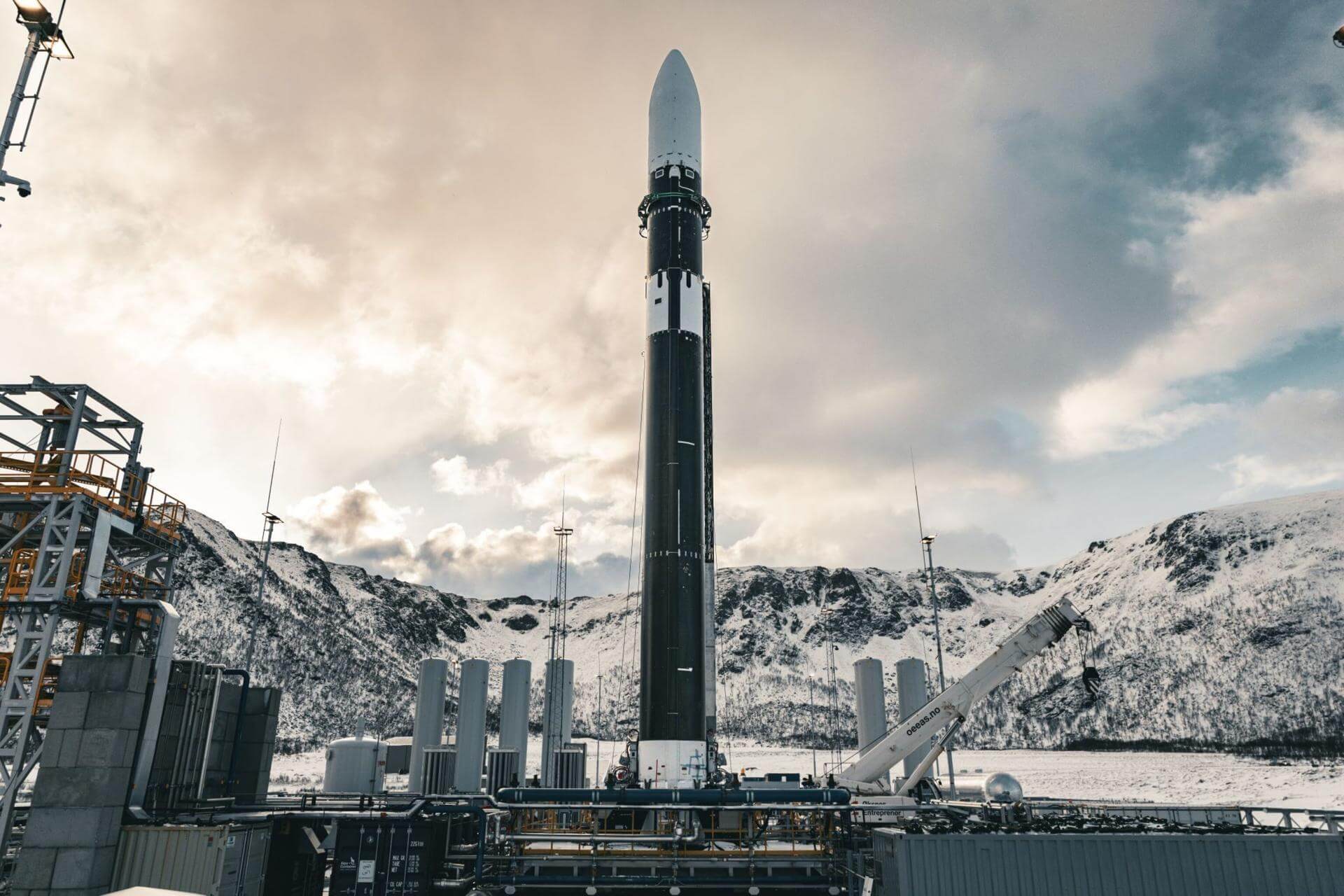
ADRAS-J2 is a active orbital debris removal mission spacecraft developed and operated by Astroscale as part of Japan Aerospace Exploration Agency's (JAXA) Commercial Removal of Debris Demonstration project. It will demonstrate active debris removal by safely approaching and capturing a non-cooperative H-IIA rocket upper stage. The target object measures approximately 11 meters in length, four meters in diameter and weighs around three tons. The mission aims to address the increasingly critical issue of space debris, in which unprepared objects in orbit pose an additional challenge as they have not been prepared with any technologies that enable docking or potential servicing or removal.
Chandrayaan-4 is a planned lunar sample-return mission of Indian Space Research Organisation (ISRO) and will be the fourth mission of its Chandrayaan programme. The mission consist of five modules, namely the DM (Descender Module), AM (Ascender Module), TM (Transfer Module), RM (Re-entry Module) and PM (Propulsion Module). The planned mission life is 1 lunar day and the landing site will be near the Lunar South Pole. The first launch will lift the DM (Descender Module) and AM (Ascender Module) to orbit.
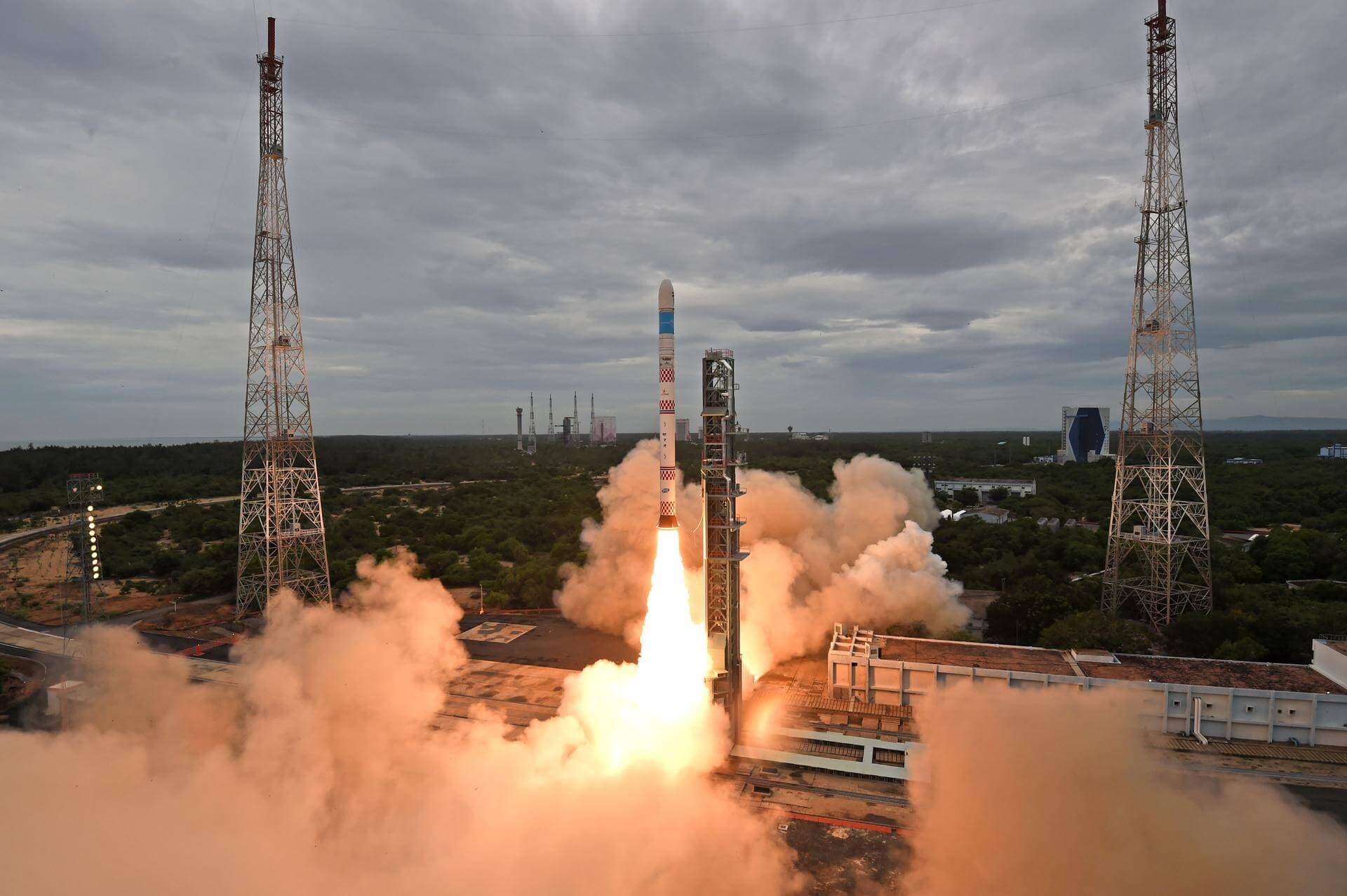
Space Machines Company (SMC)'s second Optimus Orbital Transfer Vehicle (OTV), will launch on a mission designated Space MAITRI (Mission for Australia-India’s Technology, Research and Innovation). The mission will focus on debris management and sustainability, and will significantly advance Australia’s domestic space industry by combining Australian spacecraft capabilities with India's launch expertise. After separation, Optimus will perform a series of propulsive on-orbit maneuvers to inspect a space object in close proximity. It will then spend several months on orbit examining space debris to demonstrate affordable and accessible space sustainability technologies.
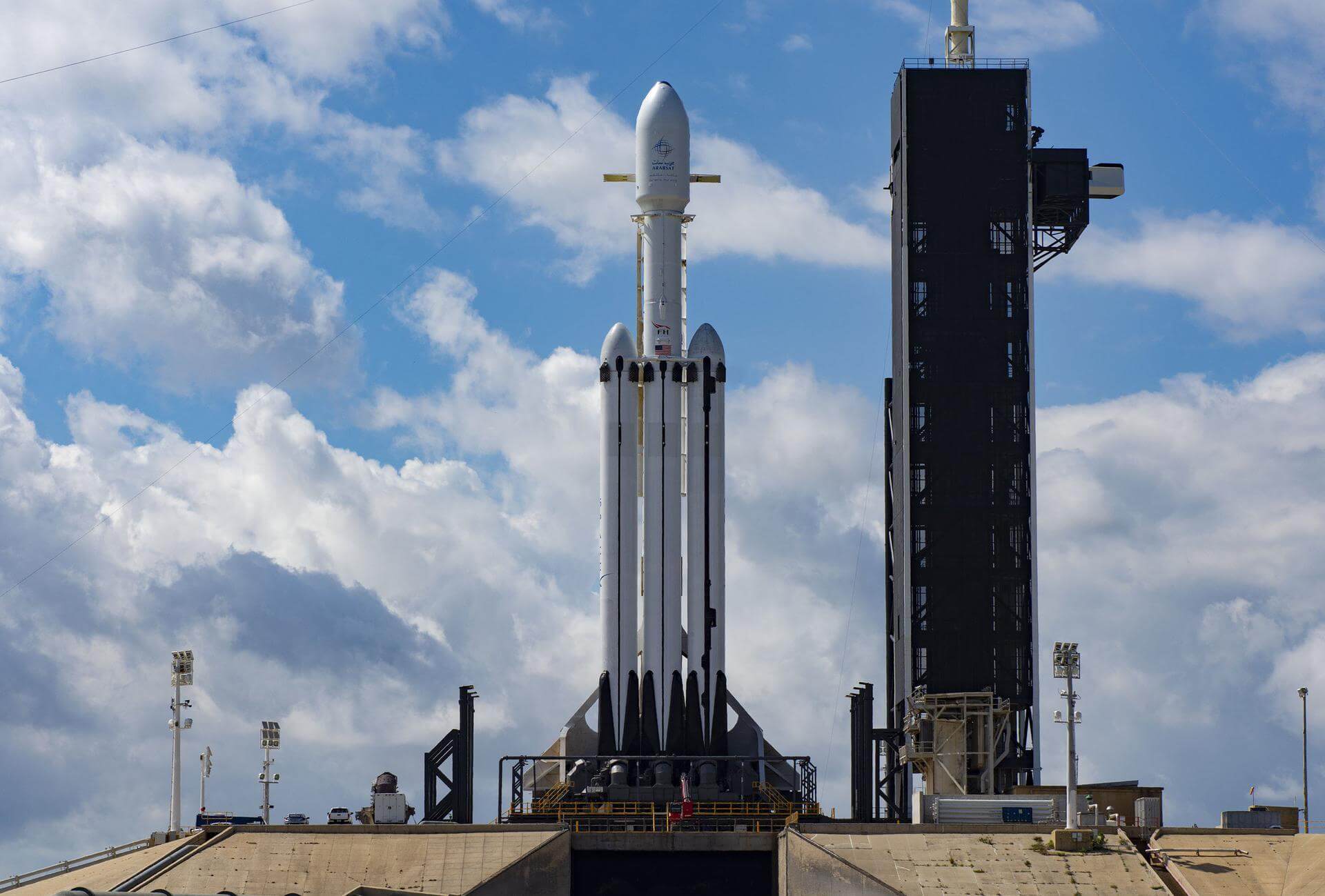
Third Astrobotic lunar mission, details TBA.
JSAT-32 is a geostationary communication satellite for SKY Perfect JSAT. Operating in the Ku and Ka frequency bands, JSAT-32 will provide coverage over Japan and its surrounding seas, with newly added spot beams for mobility applications. JSAT-32 will serve as a future replacement for existing SKY Perfect JSAT satellites that provide communication and distribution services in Japan.
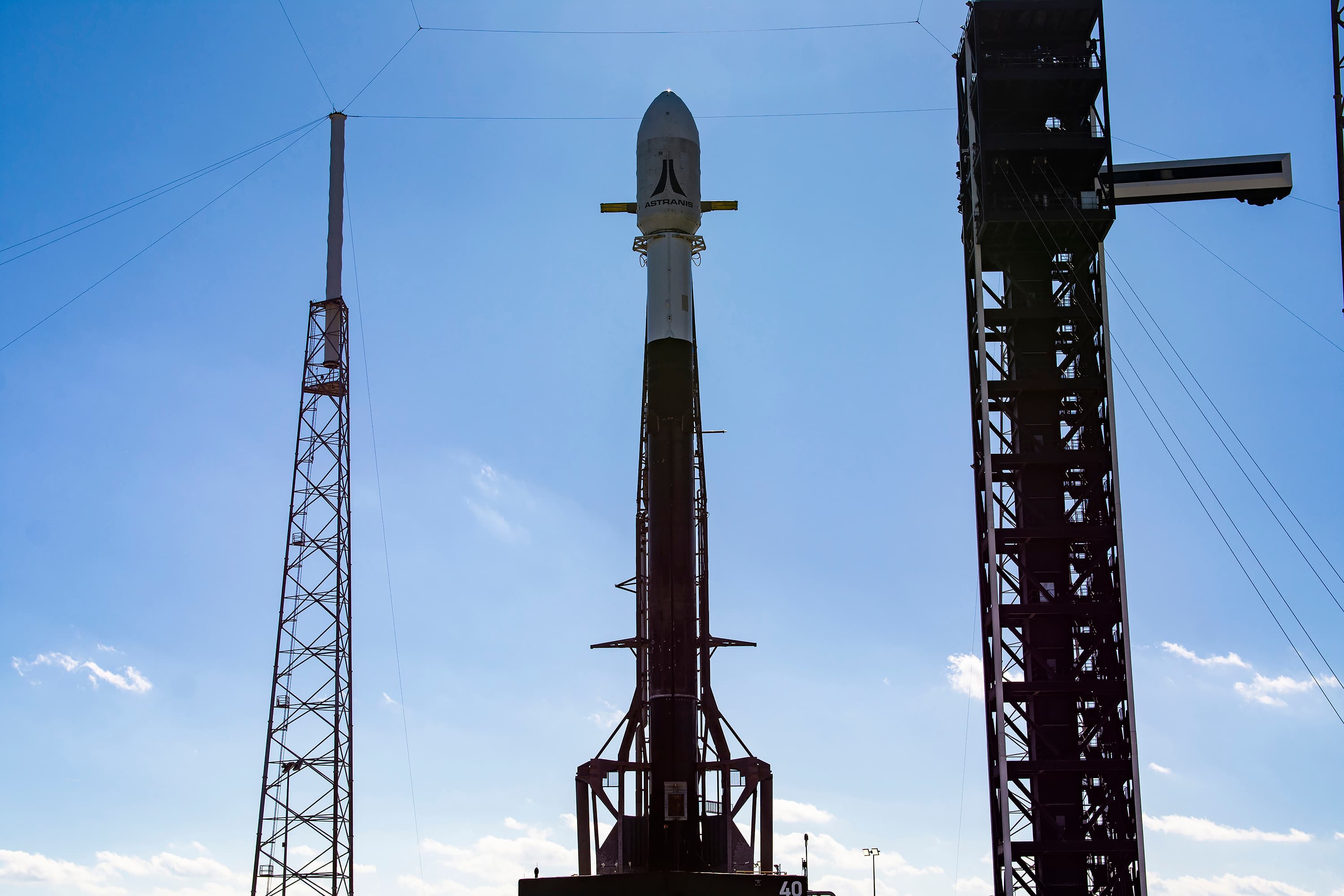
Six Astranis MicroGEO communications satellite to be inserted into Low Earth orbit by the Falcon 9, from where the Helios upper stage provided by Impulse Space will carry the satellites to geostationary orbit within 24 hours of launch.