TBDRL
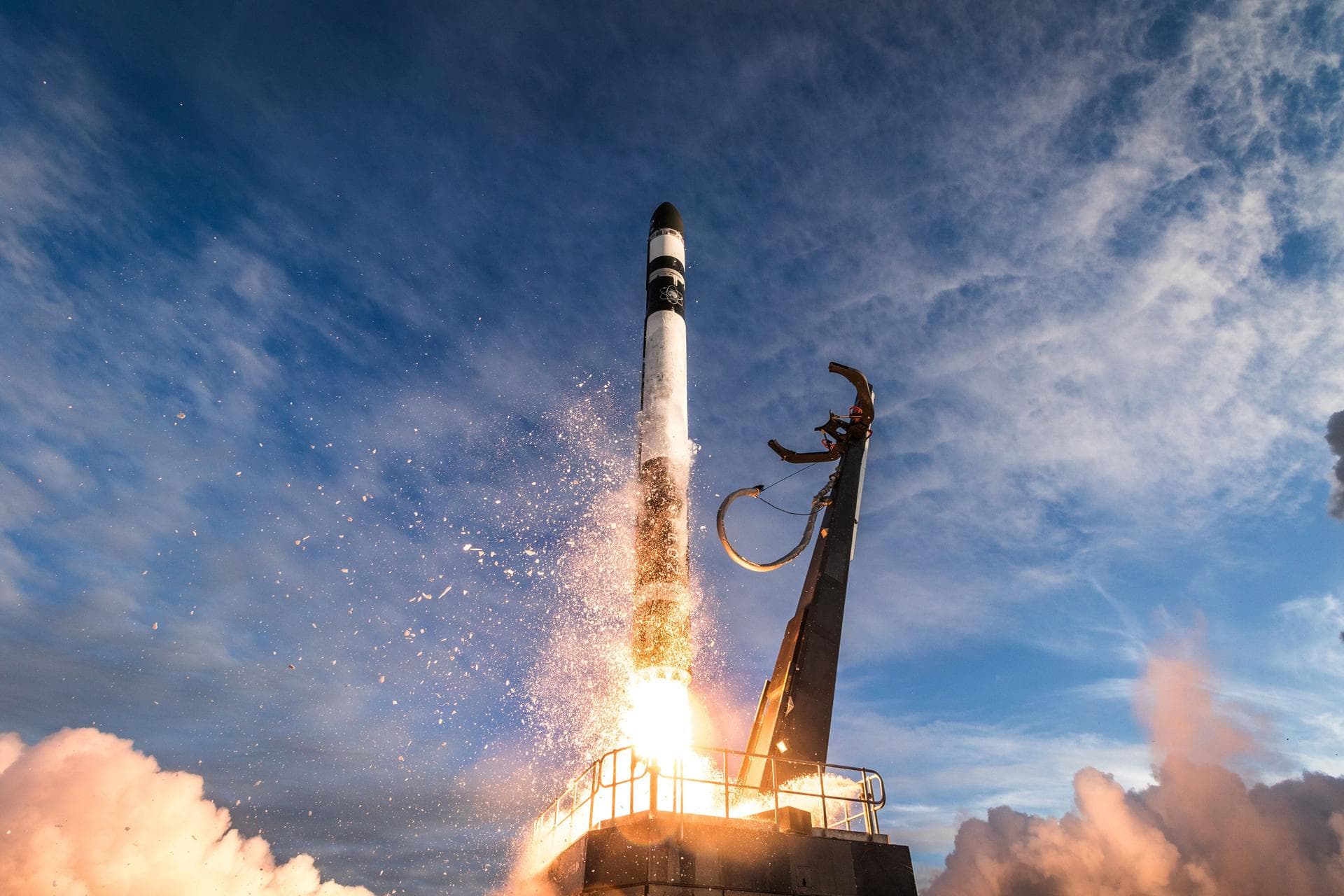
Electron
Electron | StriX Launch 17
Synthetic aperture radar satellite for Japanese Earth imaging company Synspective.
Targeting 2027
Target
2027
Time TBC
Pad
Unknown Pad
Rocket Lab Launch Complex 1, Mahia Peninsula

Synthetic aperture radar satellite for Japanese Earth imaging company Synspective.
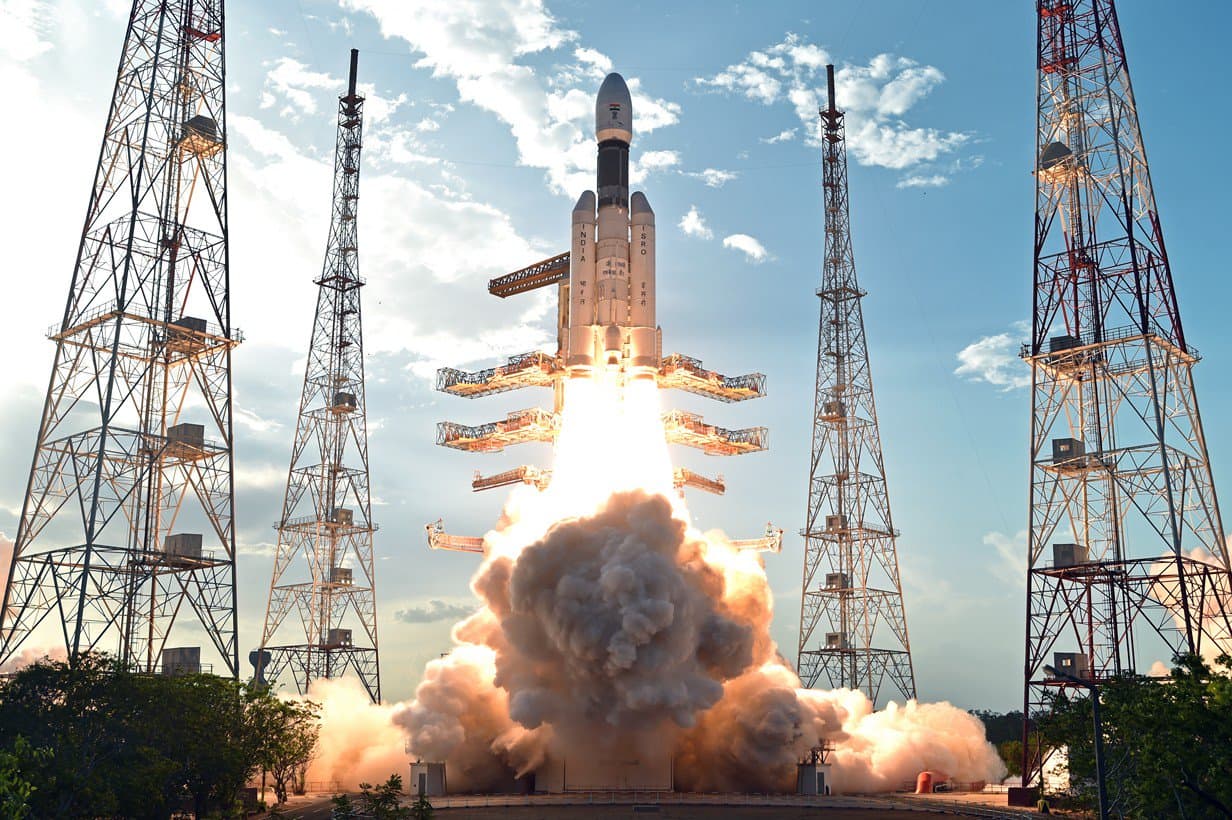
Chandrayaan-4 is a planned lunar sample-return mission of Indian Space Research Organisation (ISRO) and will be the fourth mission of its Chandrayaan programme. The mission consist of five modules, namely the DM (Descender Module), AM (Ascender Module), TM (Transfer Module), RM (Re-entry Module) and PM (Propulsion Module). The planned mission life is 1 lunar day and the landing site will be near the Lunar South Pole. The second launch will lift the TM (Transfer Module), RM (Re-entry Module) and PM (Propulsion Module) to orbit.
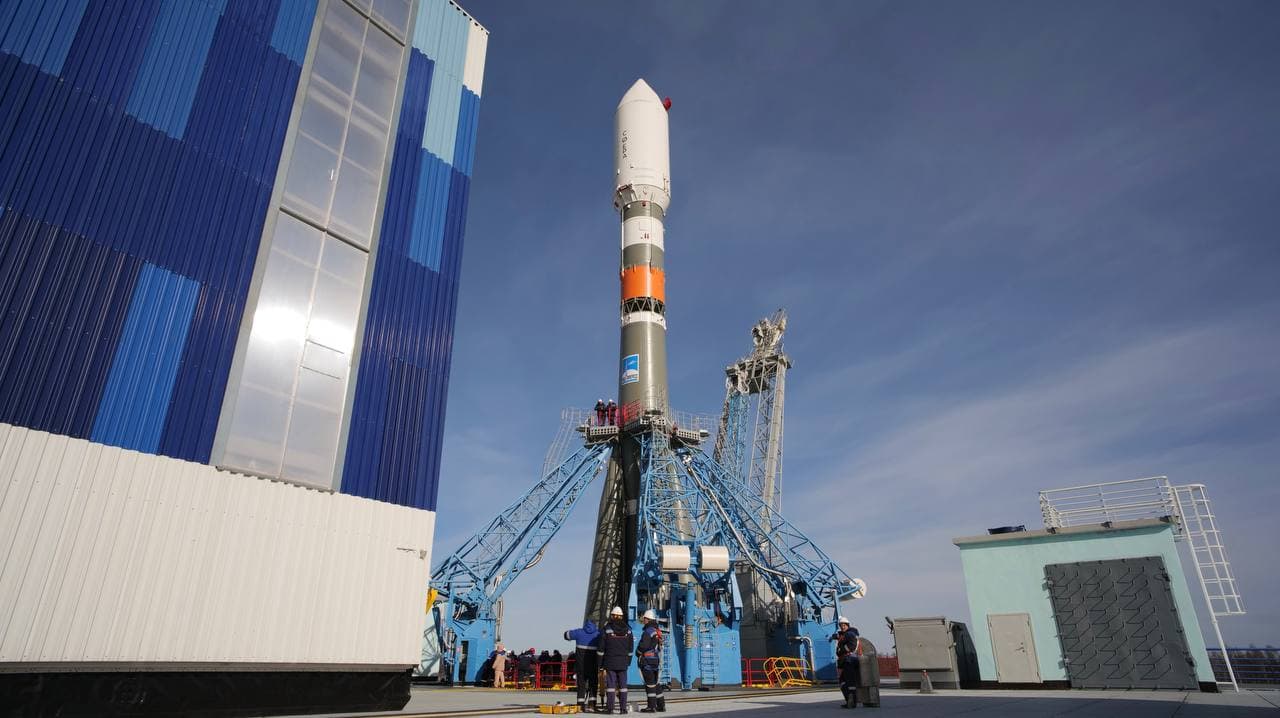
Luna 26 (also named Luna-Resurs) is a planned lunar polar orbiter, part of the Luna-Glob program, by the Russian space agency Roscosmos. In addition to its scientific role, the Luna 26 orbiter would also function as a telecommunication relay between Earth and Russian landed assets. The scientific payload on board the orbiter is composed of fourteen instruments that will be fabricated by Russia. The payload will study the lunar surface and the environment around the Moon, including the solar wind, and high-energy cosmic rays. Luna 26 will also scout sites for the planned Luna 27 landing mission. Luna 26 is the second mission of Russia's new lunar program, which includes the launch of Luna 27, a heavy lander that will study the composition of the lunar soil by collecting several samples. Luna 28, a lunar samples return mission, will be the first to return samples at lunar temperature, and will serve as a demonstration for a future Martian samples return mission. Finally, Luna 29 should land a heavy lunar rover on the surface.
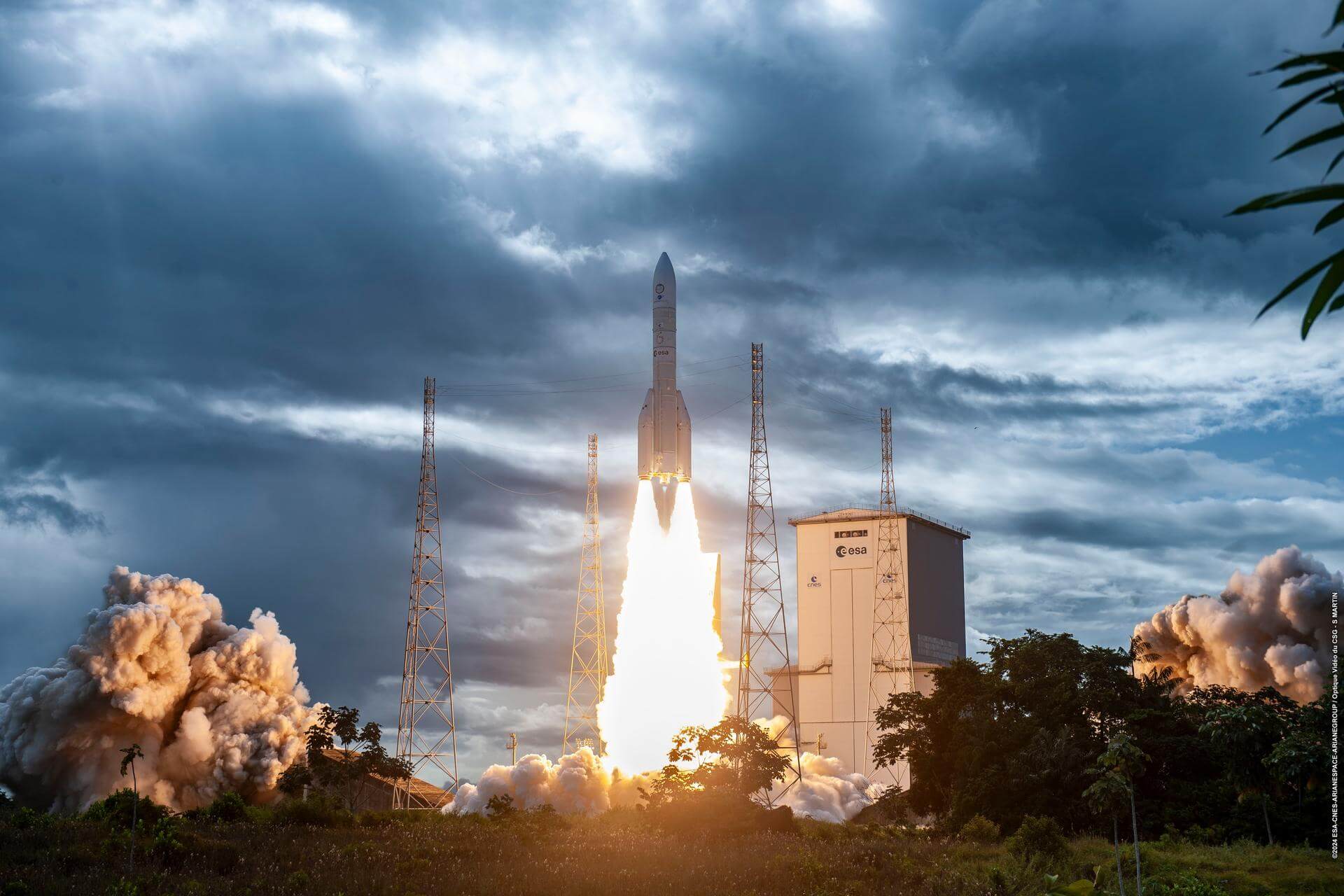
Katalyst Space Technologies' robotic space vehicle NEXUS-1 will dock with other satellites to install hardware, reposition spacecraft, and extend mission life, offering a faster, lower-cost alternative to replacement of satellites. NEXUS-1 will begin delivering these services through initial government missions before supporting commercial operators. Initial operations include installing a sensor on a Space Force satellite to detect and identify nearby spacecraft and conducting additional rendezvous and proximity operations to support space domain awareness. Following these missions, NEXUS-1 will transition to commercial servicing operations for communications satellite operators seeking to maintain and upgrade spacecraft already in orbit.
Synthetic aperture radar satellite for Japanese Earth imaging company Synspective.
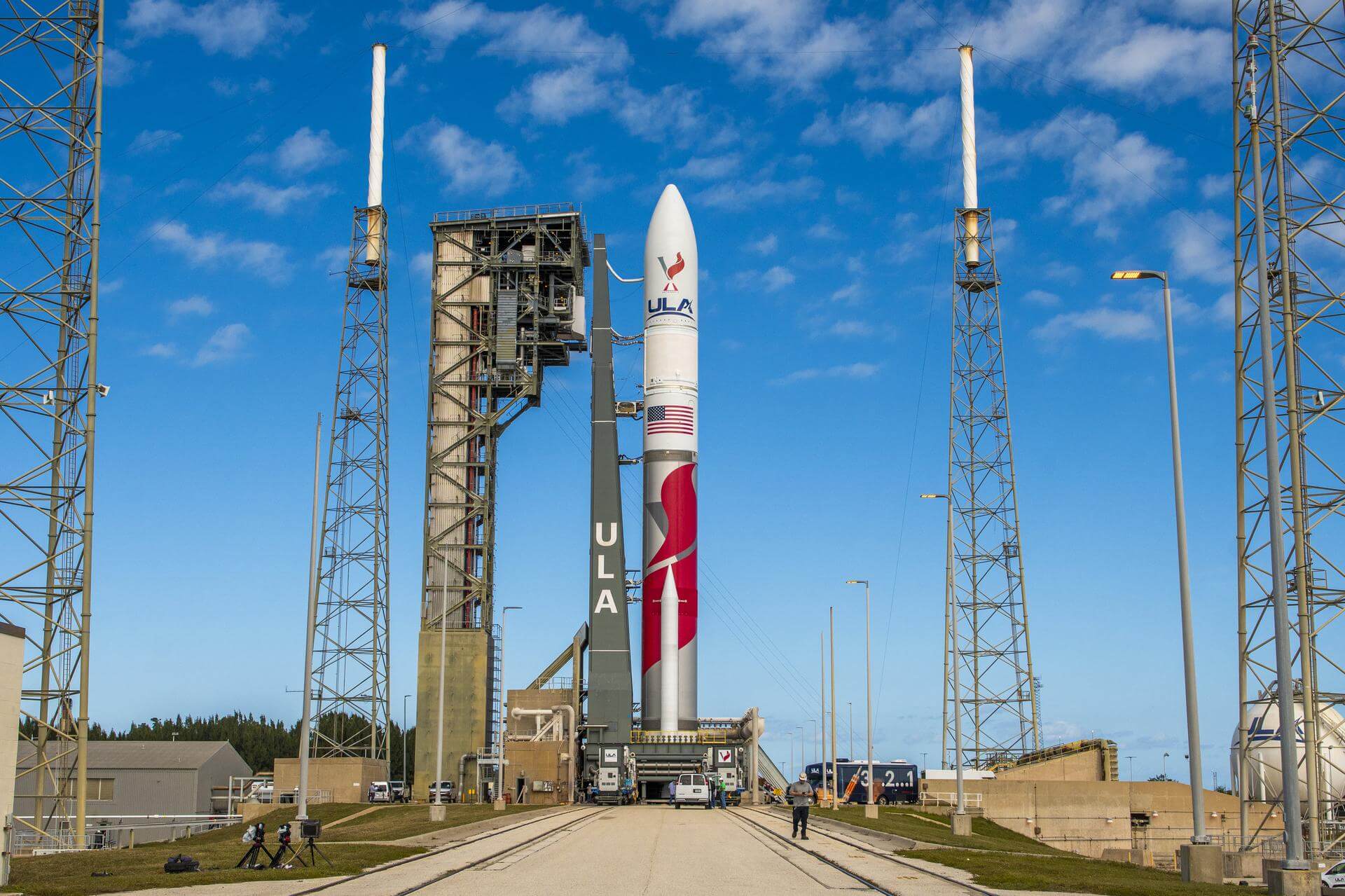
Two satellites in support of the US Department of Defense Strategic Capabilities Office.
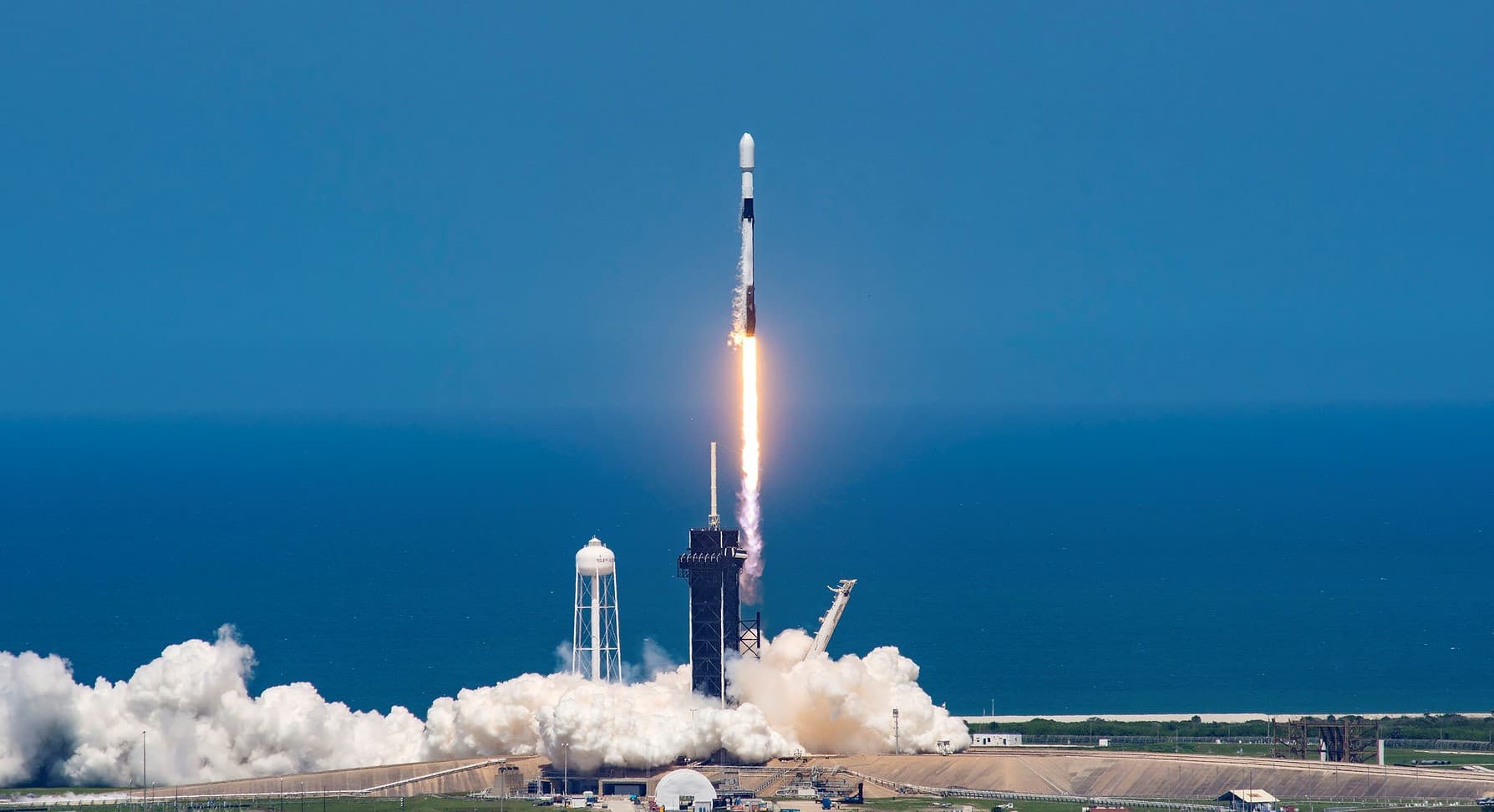
Up to 18 satellites manufactured by MDA for Canadian satellite operator Telesat's Lightspeed constellation.
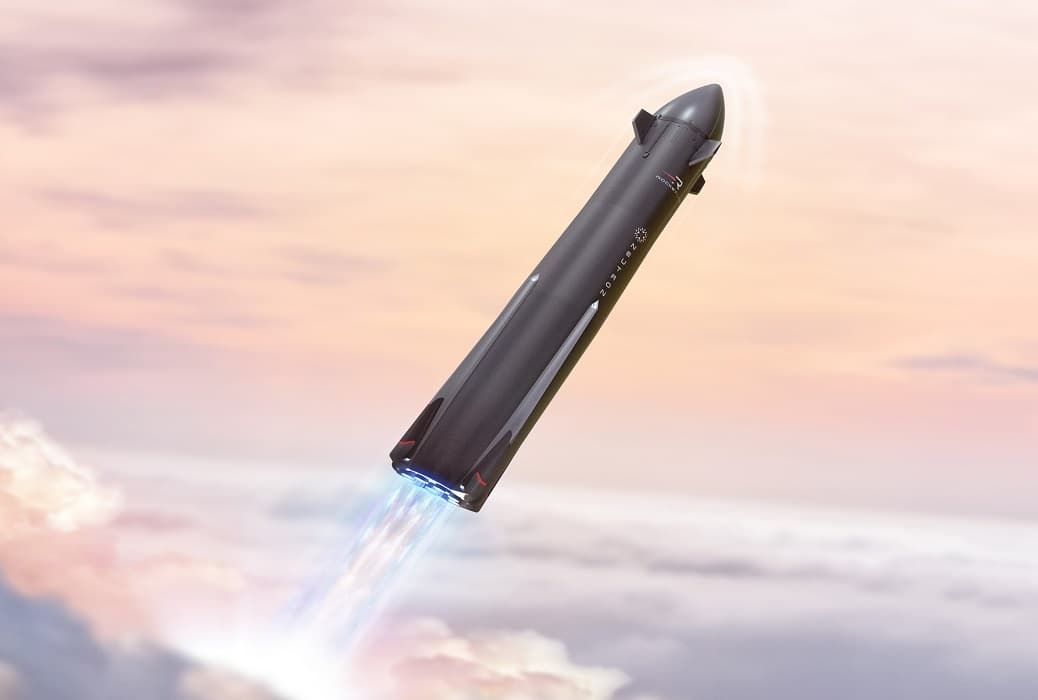
NZSA Venus Mission is a small direct Venus entry probe with a single 1 kg low-mass, low-cost autofluorescing nephelometer riding on a satellite bus based on the Photon Upper stage of the Electron rocket. The probe mission will spend approximately 5 minutes in the Venus cloud layers, 48-60 km above the surface, collecting in situ measurements to search for organic molecules in cloud particles and constrain particle composition.
Synthetic aperture radar satellite for Japanese Earth imaging company Synspective.
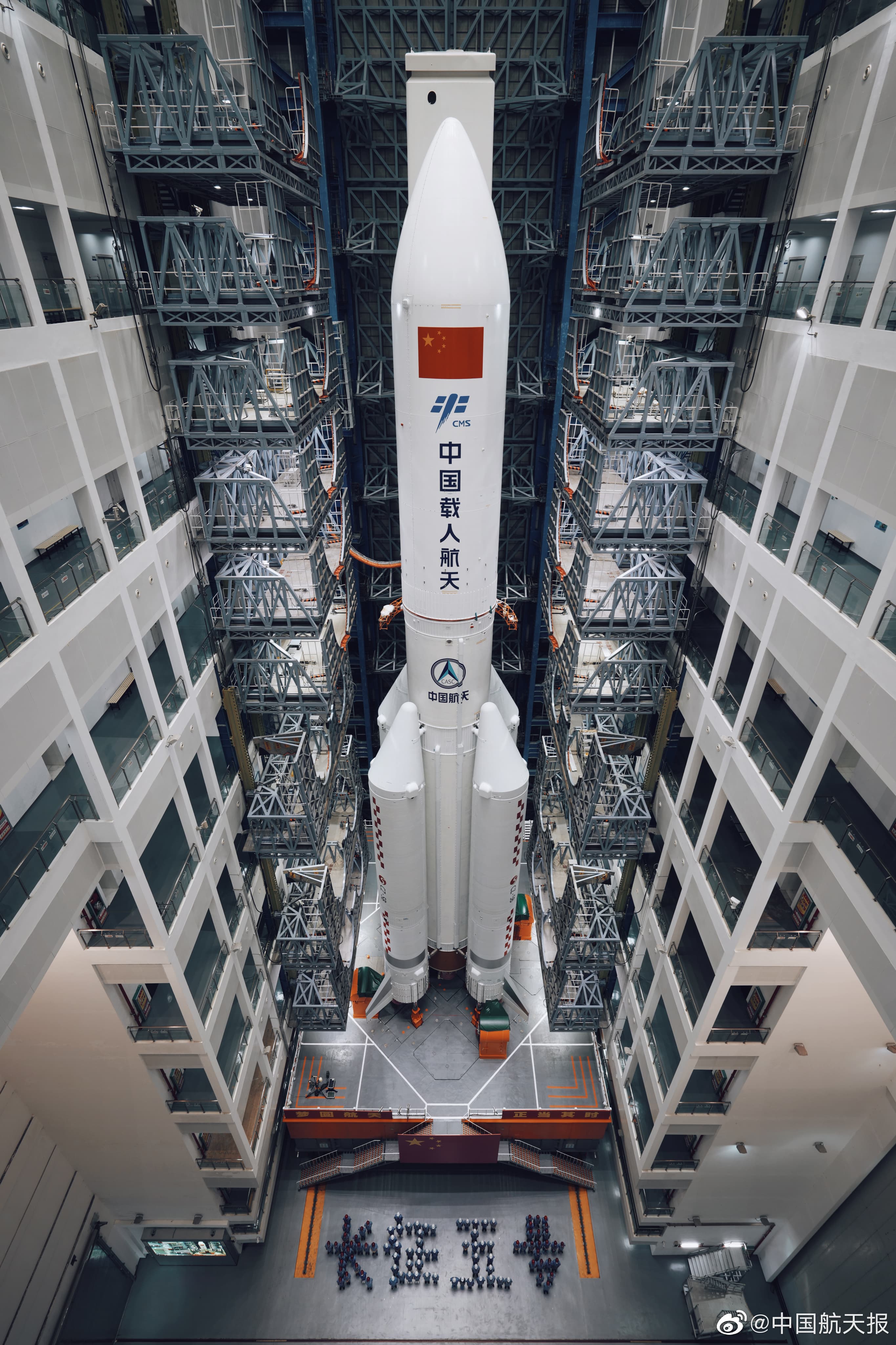
Xuntian, formerly known as the Chinese Space Station Telescope (CSST), is a Chinese space telescope designed to perform high-resolution, large-area, multi-band imaging and slit-less spectroscopy surveys of the sky at ultraviolet to infrared wavelengths of 255 – 1000 nm. The survey camera is slated to cover approximately 17500 square degrees of the sky in various bands, reaching maximum magnitudes of about 26. Xuntian will carry a survey camera, a tera-hertz receiver, a multi-channel imager, an integral field spectrograph, and a cool planet imaging coronagraph. Xuntian will be launched to a Low Earth Orbit that will be co-orbiting with the Tiangong space station/Chinese Space Station, which will allow for periodic docking with the station for regular maintenance by astronauts.