TBDMHI
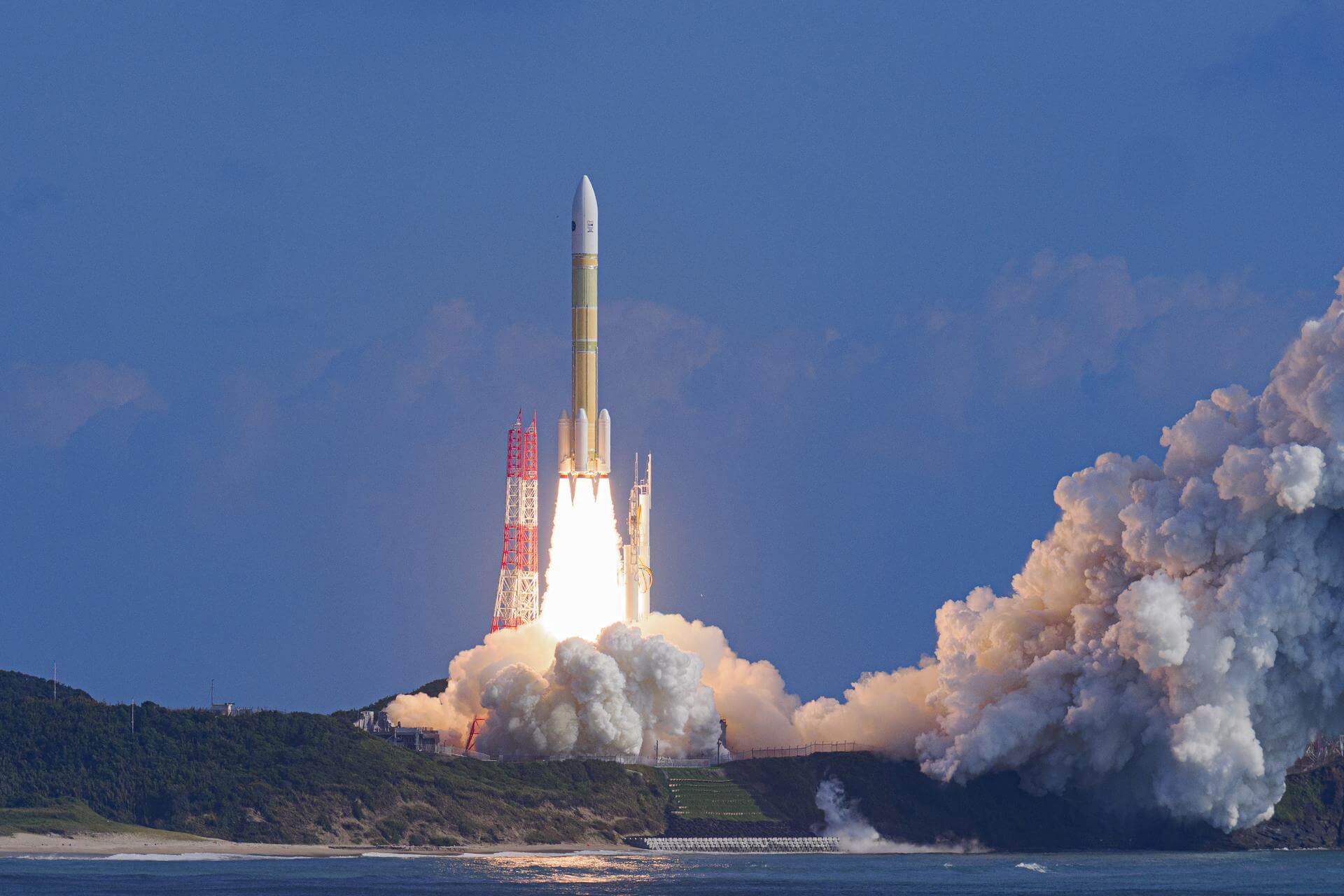
H3-24
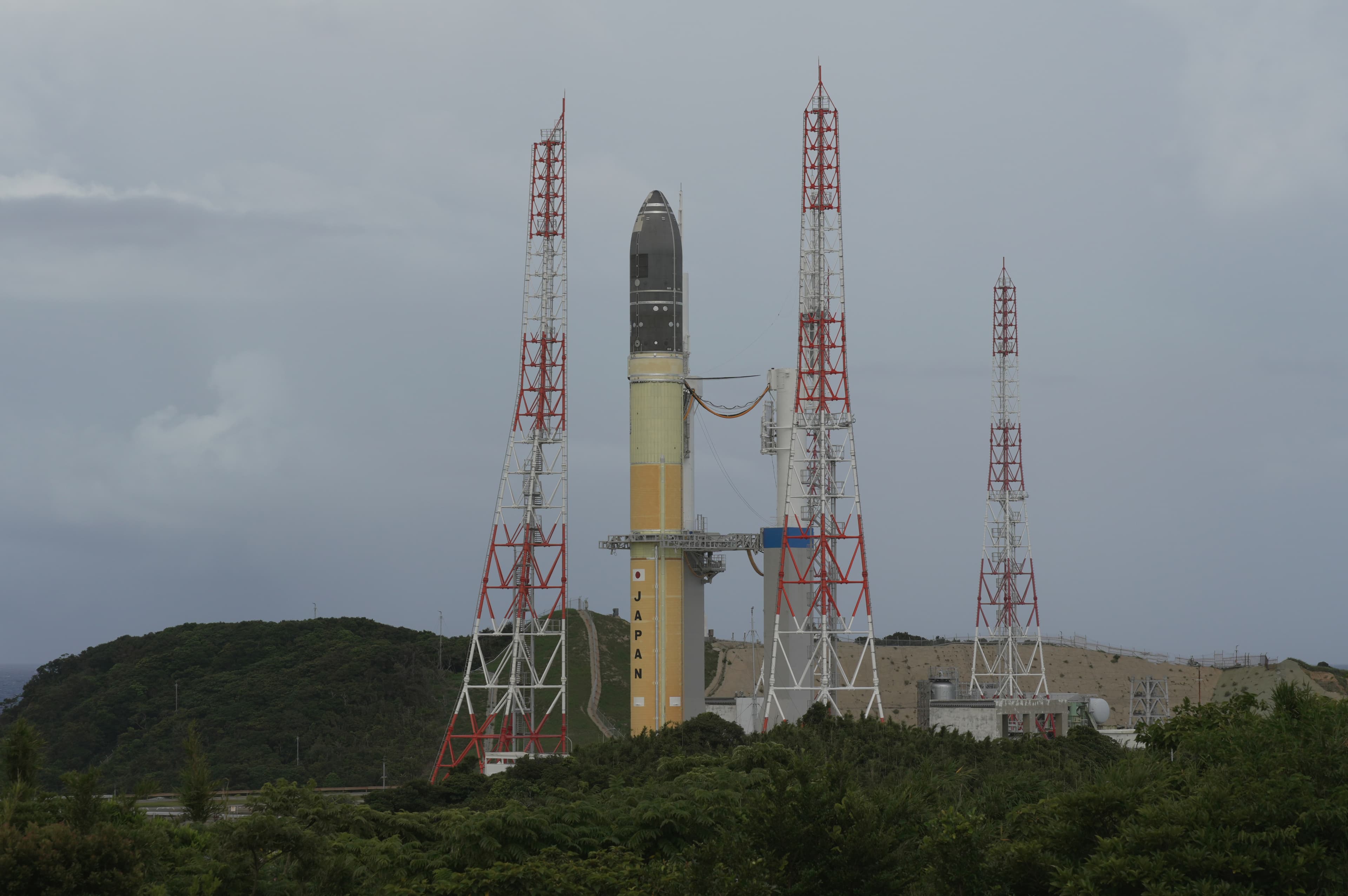
H3-24 | HTV-X3
Third flight of the upgraded Japanese HTV-X spacecraft designed to resupply the International Space Station.
Targeting 2027
Target
2027
Time TBC
Pad
Yoshinobu Launch Complex LP-2
Tanegashima Space Center

Third flight of the upgraded Japanese HTV-X spacecraft designed to resupply the International Space Station.
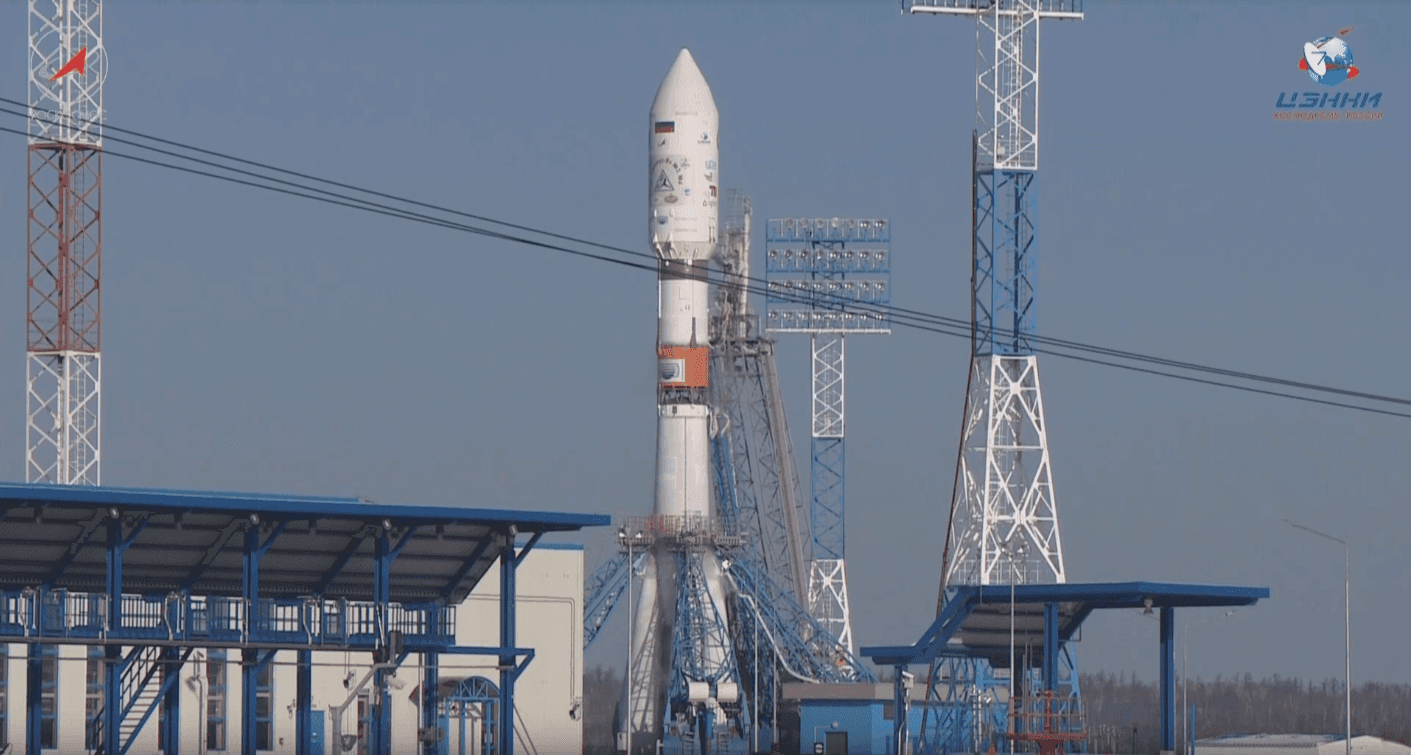
Share-ride of multiple satellites, including dual-use optical Earth observation satellites and drone-guiding satellites: * MKA Kinosputnik * KOEN, KA MT-LAB * NPO Kaisant 6U cubesat with a Germes modem * NPO Kaisant 16U cubesat with Gonets modems
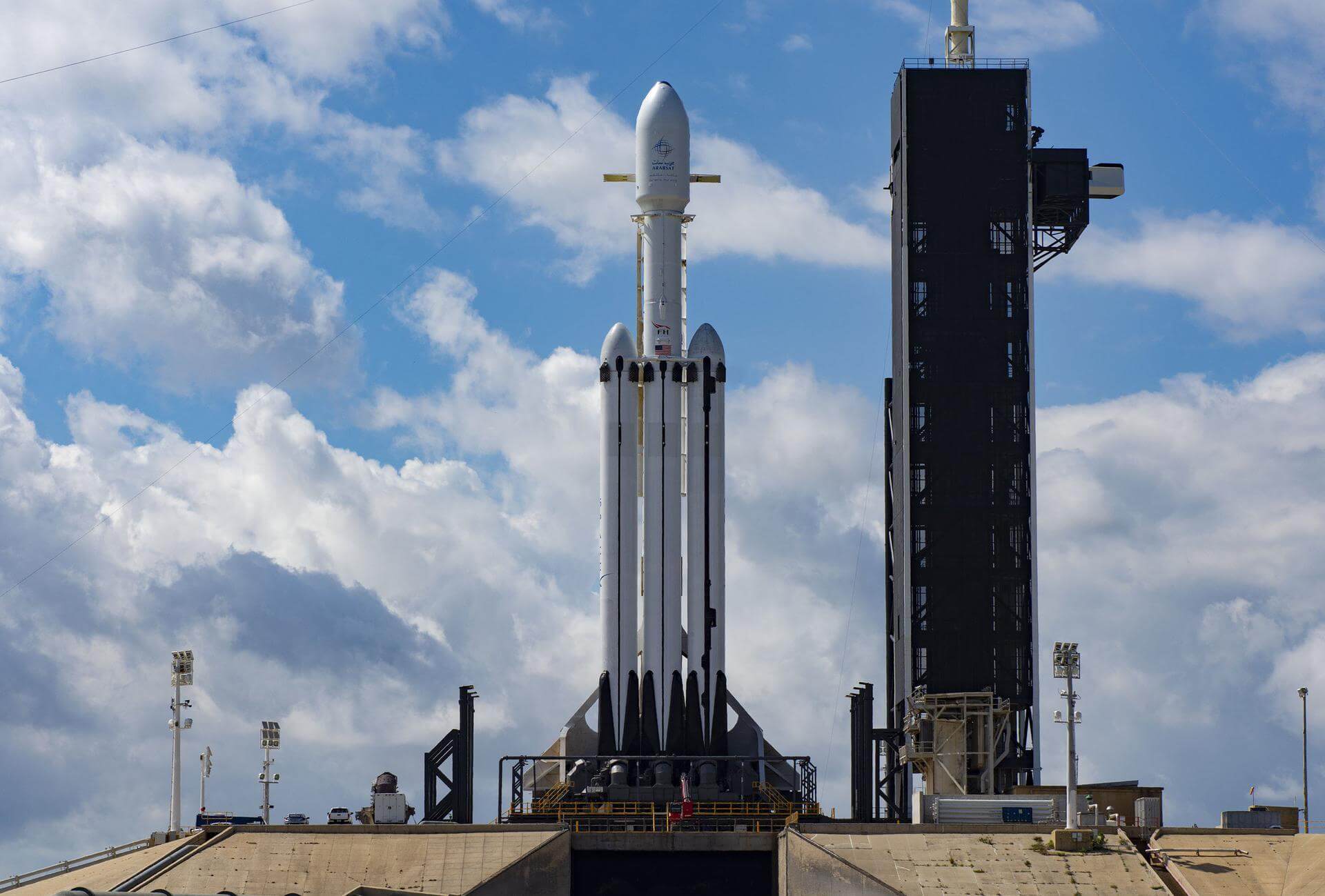
The Power and Propulsion Element (PPE) and Habitation and Logistics Outpost (HALO) are the foundational elements of NASA's lunar-orbiting space station "Gateway". The PPE is a 60-kilowatt class solar electric propulsion spacecraft that also will provide power, high-speed communications, attitude control and the capability to move the Gateway to different lunar orbits. The HALO is the pressurized living quarters where astronauts who visit the Gateway, often on their way to the Moon, will work. It will provide command and control and serve as the docking hub for the outpost. HALO will support science investigations, distribute power, provide communications for visiting vehicles and lunar surface expeditions, and supplement the life support systems aboard Orion, NASA’s spacecraft that will deliver Artemis astronauts to the Gateway.
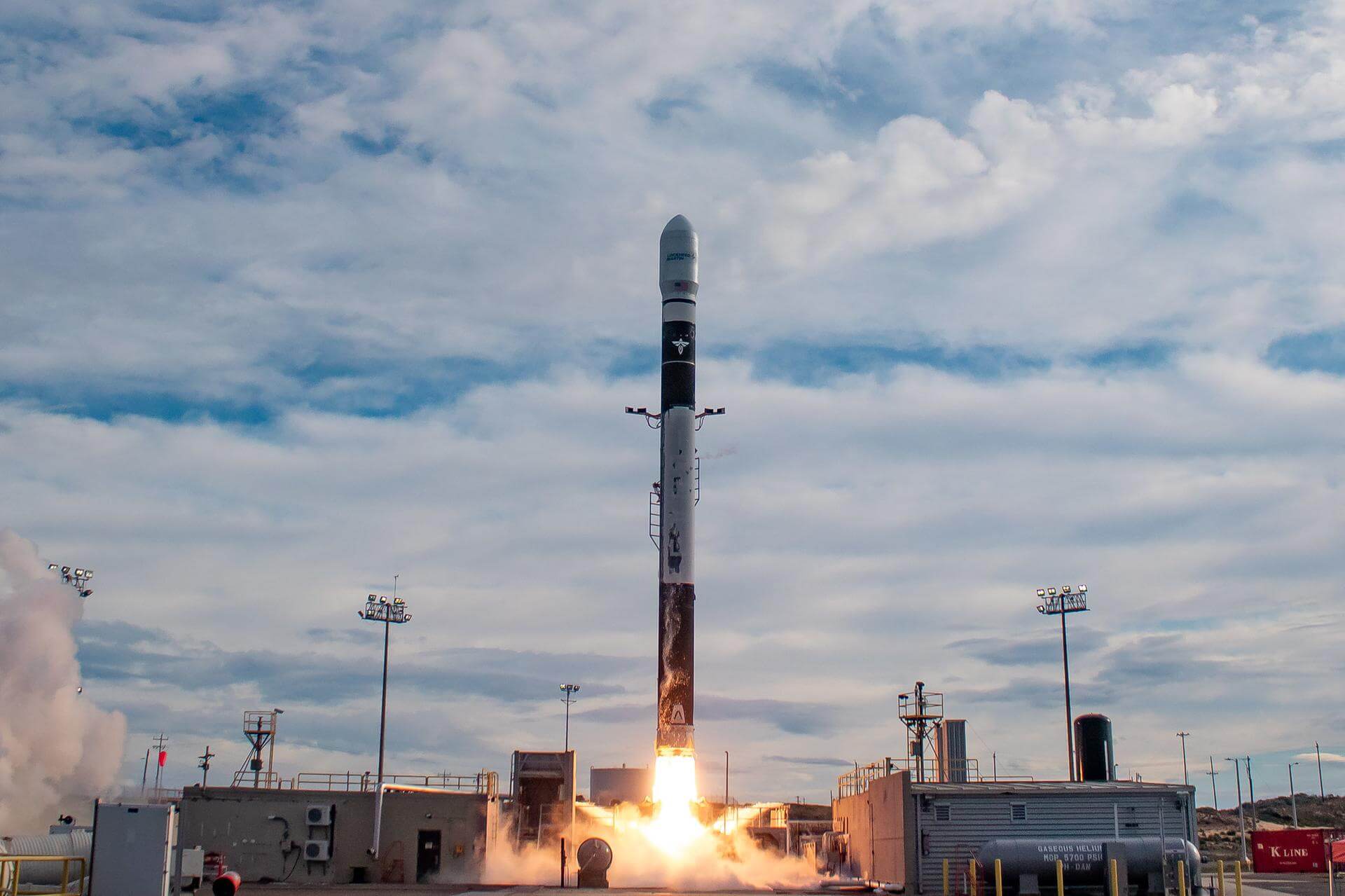
The Investigation of Convective Updrafts (INCUS) is a NASA Earth science mission led by Colorado State University that will investigate the behavior of tropical storms in order to better represent these storms in weather and climate models. It consists of 3 SmallSats flying in tight coordination to study why convective storms, heavy precipitation, and clouds occur exactly when and where they form. Each satellite will have a high frequency precipitation radar that observes rapid changes in convective cloud depth and intensities. 1 of the 3 satellites also will carry a microwave radiometer to provide the spatial content of the larger scale weather observed by the radars. By flying so closely together, the satellites will use the slight differences in when they make observations to apply a novel time-differencing approach to estimate the vertical transport of convective mass.
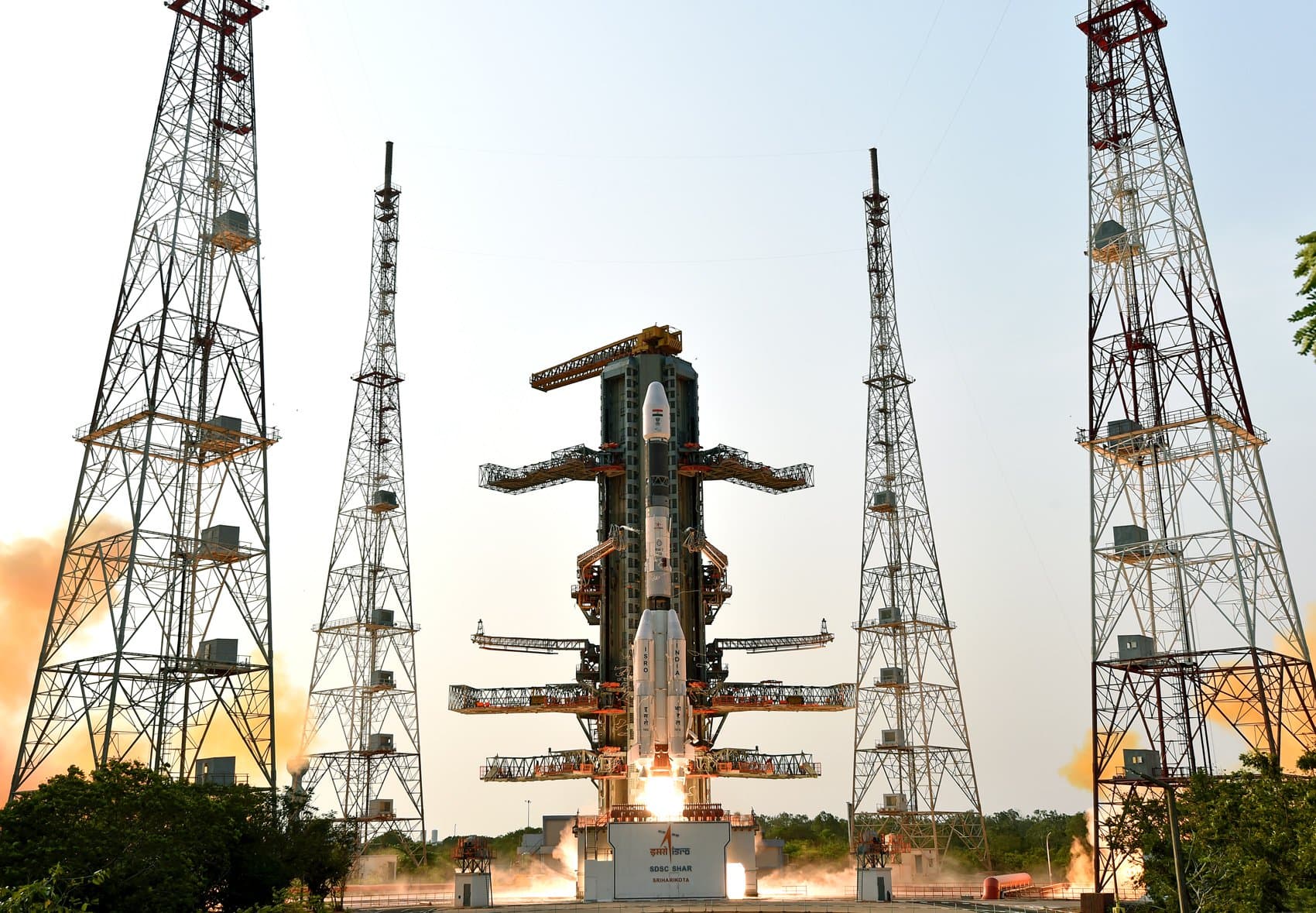
The Indian Data Relay Satellite System (IDRSS) is a planned system of 2 geostationary data relay satellites by the Indian Space Research Organization (ISRO) for data relaying to and from other Indian satellites and launch vehicles to the ground, including supporting future Indian Human Spaceflight missions with the Gaganyaan spacecraft.
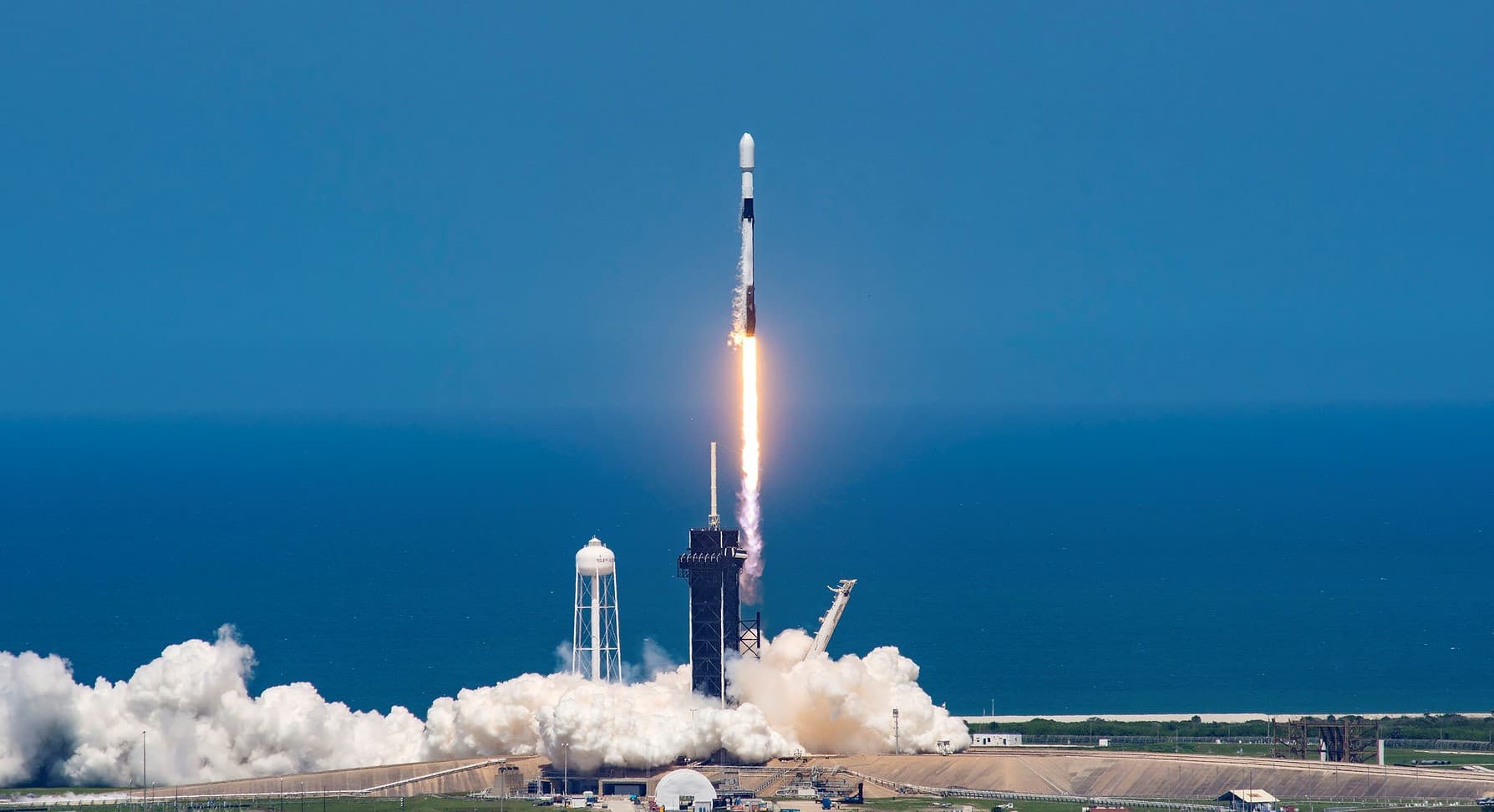
Chinggis Sat is a Mongolian national geostationary orbit telecommunications satellite for the Mongolia Ministry of Digital Development and Communications. Thales Alenia Space will be responsible for construction of the high-performance Ku-Band satellite. Once launched, the satellite will make high-speed internet available throughout Mongolia, including to those in rural areas and under-served nomadic communities, enabling easier and wider access to services such as tele-medicine, e-learning, e-government services and supporting the growth of high value add sectors of the economy. It will be positioned at the 113.6° E orbital slot and will be based on the space-proven, cutting-edge SpaceBus 4000 satellite bus.
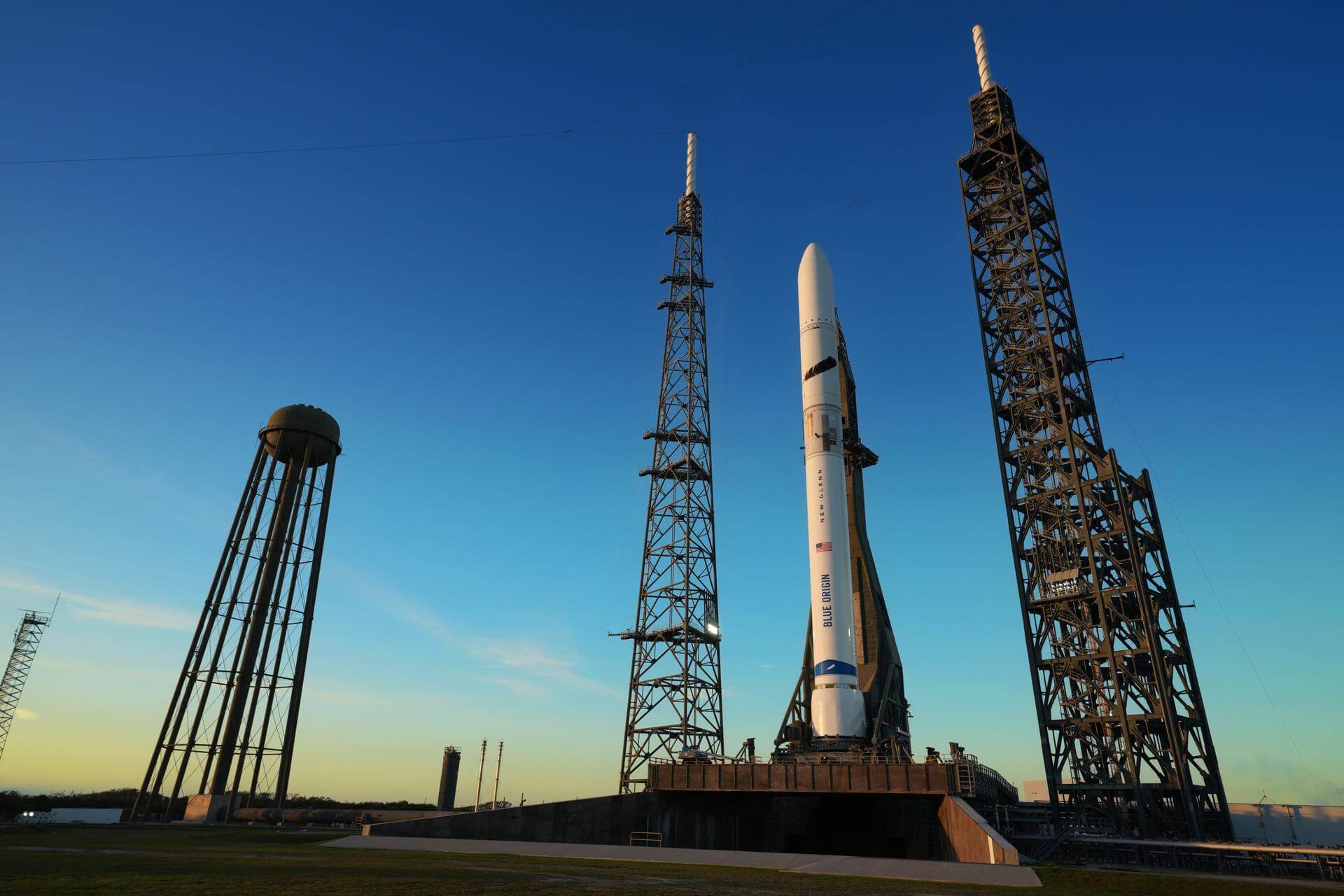
2nd of the National Team’s Blue Moon MK1 lunar lander test missions to validate the necessary technologies for its HLS lunar module. Some of the life support hardware will travel on this mission in preparation for the first crew Blue Moon flight. This mission will also carry NASA’s VIPER (Volatiles Investigating Polar Exploration Rover) lunar rover. VIPER is designed to explore the relatively nearby but extreme environment of the Moon in search of ice and other potential resources. This mobile robot will land at the South Pole of the Moon on a 100-day mission, in order to teach us about the origin and distribution of water on the Moon and help determine how we can harvest the Moon's resources for future human space exploration. VIPER is designed to roam the Moon using its three instruments and a 1 meter long drill to detect and analyze various lunar soil environments at a range of depths and temperatures. The rover can venture into permanently shadowed craters, some of the coldest spots in the solar system, where ice reserves have endured for billions of years. The rover was originally slated to launch on Astrobotic’s Griffin Mission One lunar lander (with the Falcon Heavy rocket), but the VIPER mission was cancelled in July 2024 due to budget cuts. After consulting with the industry to find alternative ways to deliver the rover to the lunar surface, NASA ultimately chose to launch it with Blue Origin’s 2nd Blue Moon MK1 lander mission.
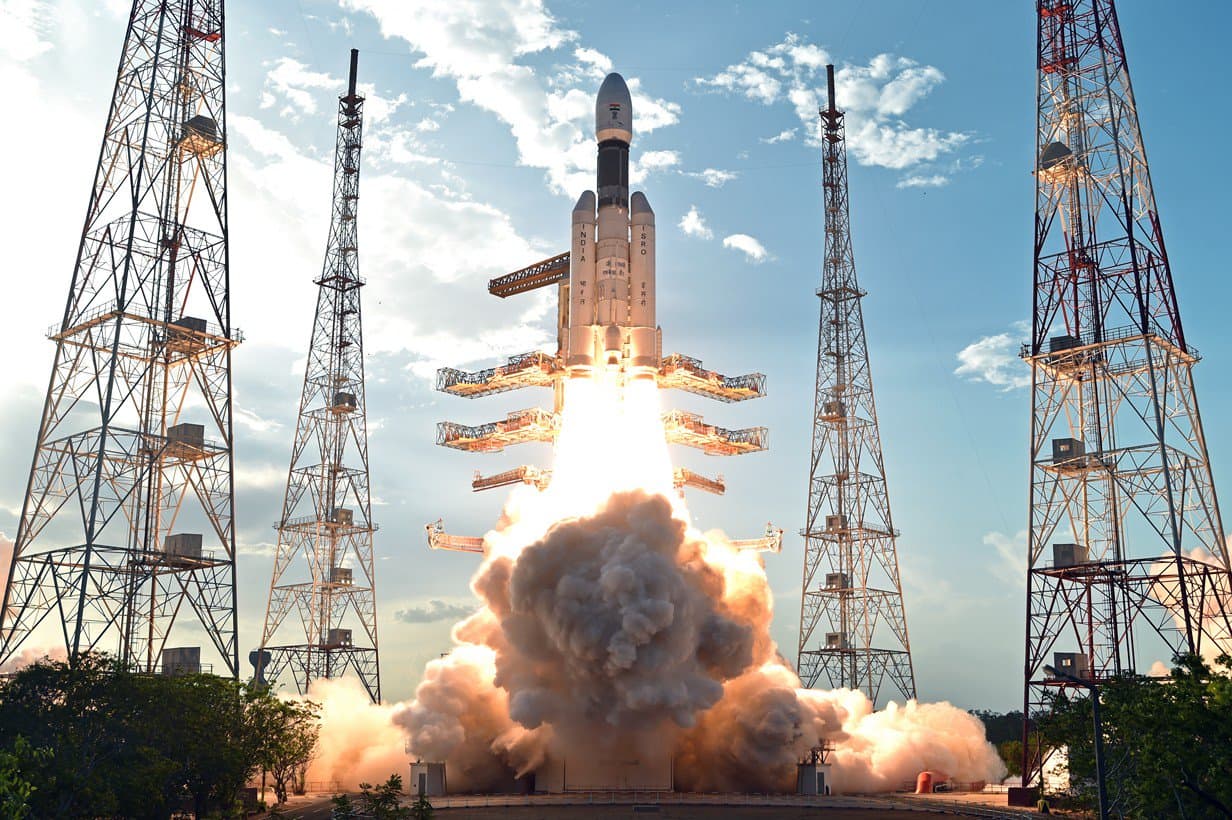
Second uncrewed orbital test flight of the Gaganyaan capsule.
The IGS Optical 9 is a Japanese optical reconnaissance satellite. The satellite is operated by the Cabinet Satellite Information Center. The satellite serves both Japan's national defense and civil natural disaster monitoring.
Thaicom 10, built by Airbus Defence and Space, will provide over 120 gigabits per second (Gbps) of capacity, with flexibility and instant configuration to adapt dynamically to the customers’ needs. The satellite will provide extended connectivity over the region for Thaicom’s customers and partners across the Asia Pacific.
Second flight of the Dream Chaser Spaceplane. It may dock to the ISS depending on results from Flight 1.
The JPSS constellation of satellites collects global multi-spectral radiometry and other specialized meteorologic, oceanographic, and solar-geophysical data via remote sensing of land, sea, and atmospheric properties. These data support NOAA’s mission for continuous observation of Earth’s environment to understand and predict changes in weather, climate, oceans, and coasts to support the nation’s economy and protect lives and property. NASA uses the instruments aboard the JPSS satellites to continue decades of Earth science research for the betterment of humanity. JPSS-4 carries the NASA Earth Venture mission Libera, an instrument to improve our understanding of trends in Earth’s energy imbalance and our changing climate.