TBDAVIO
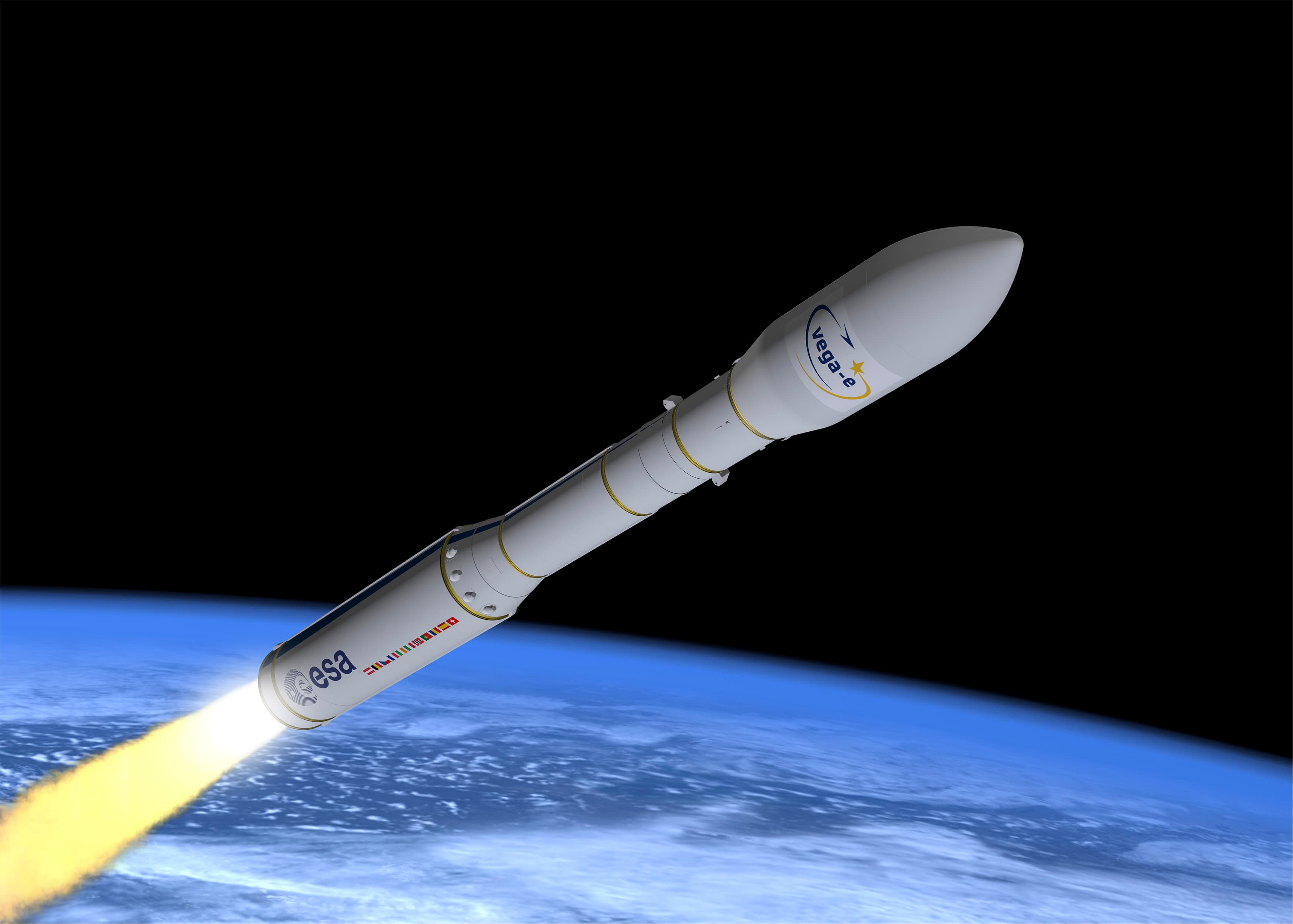
Vega-E
Vega-E | Maiden flight
First flight of the upgraded Vega-E variant of the Vega launch vehicle developed by Avio.
Targeting 2027
Target
2027
Time TBC
Pad
Ariane Launch Area 3
Guiana Space Centre

First flight of the upgraded Vega-E variant of the Vega launch vehicle developed by Avio.
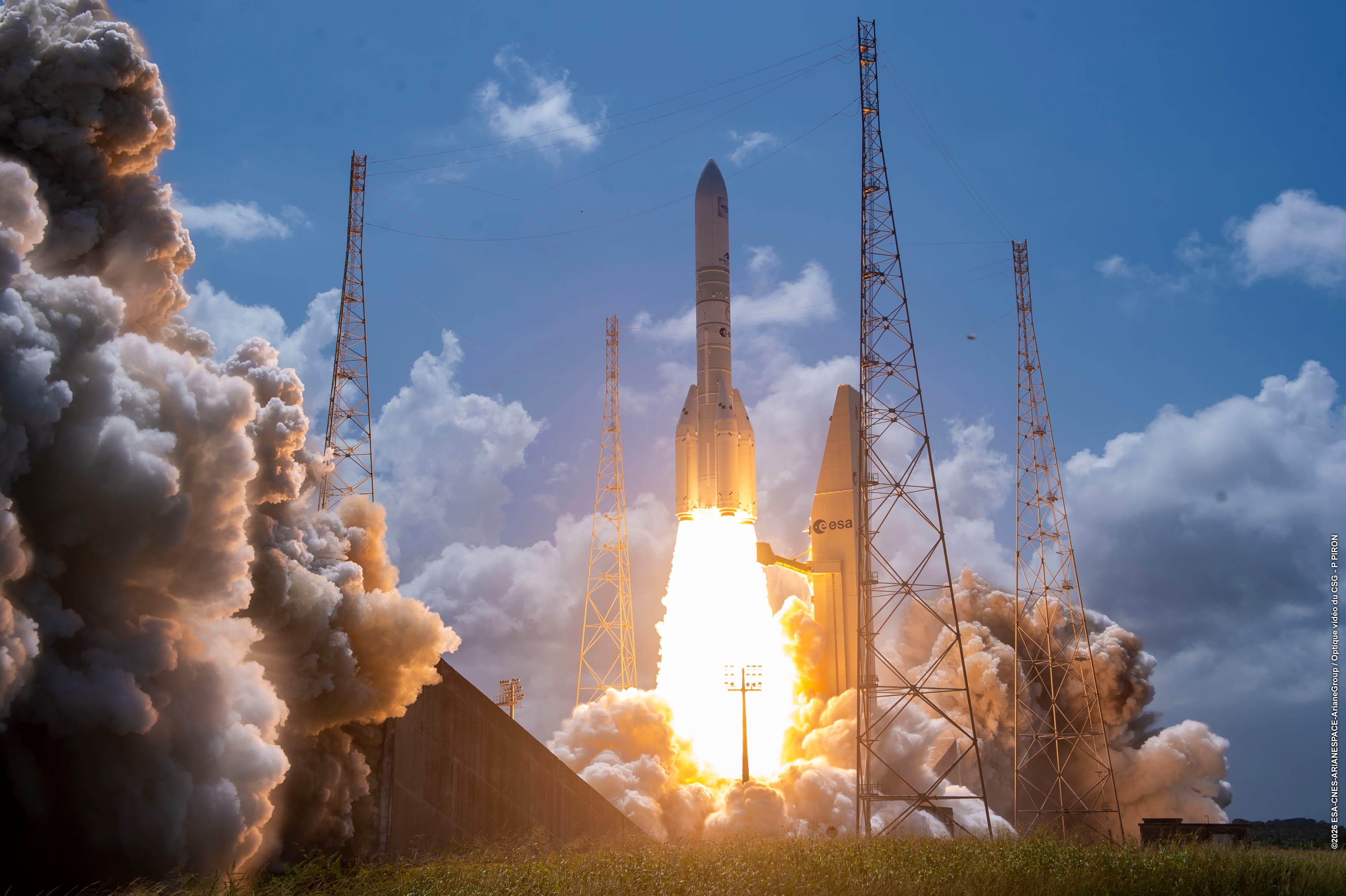
Optus-11 is a Ku-band communications satellite with a coverage zone encompassing Australia and New Zealand. Optus-11 incorporates a number of advanced technologies, especially the latest developments in digital processing, plus active antennas enabling the creation of several thousand beams.
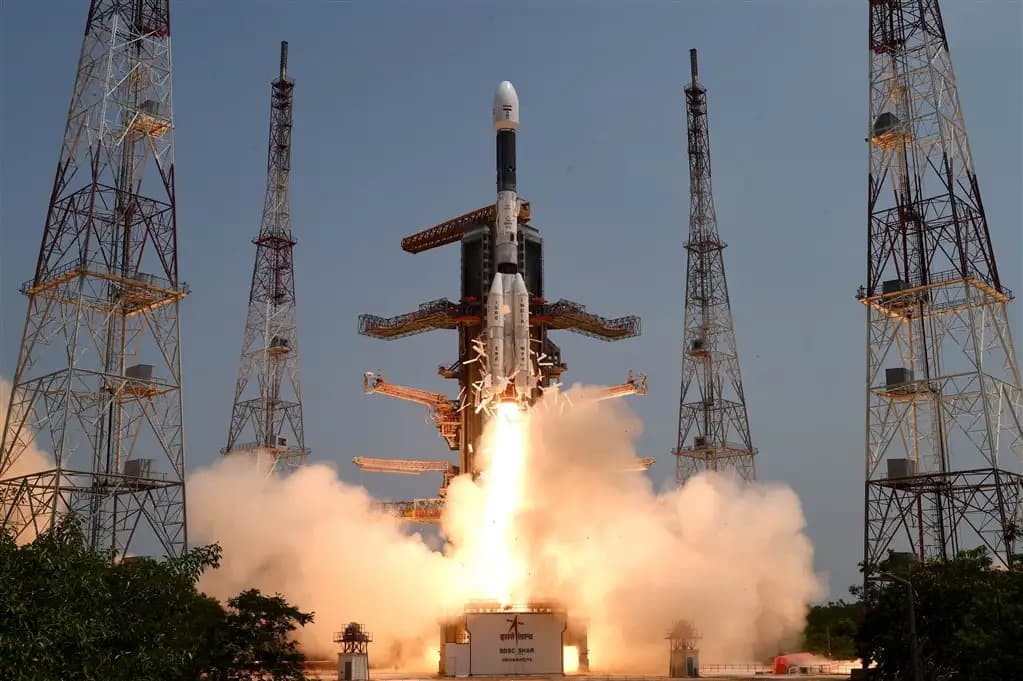
This is a replacement satellite for the Indian Regional Navigation Satellite System. The constellation will provide India with an alternative to GPS and will be used for military and civilian use. Located at a geosynchronous orbit, the system will be operated by the Indian government.
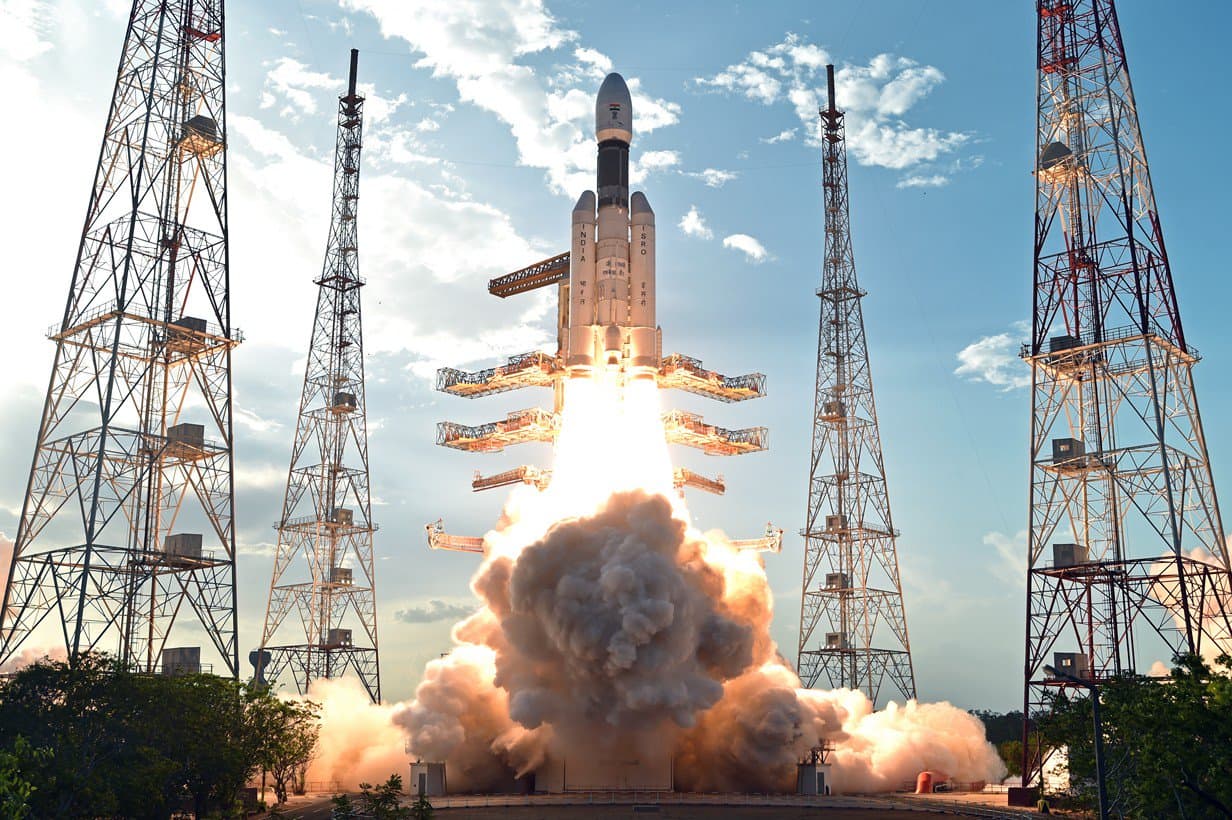
Third uncrewed orbital test flight of the Gaganyaan capsule.
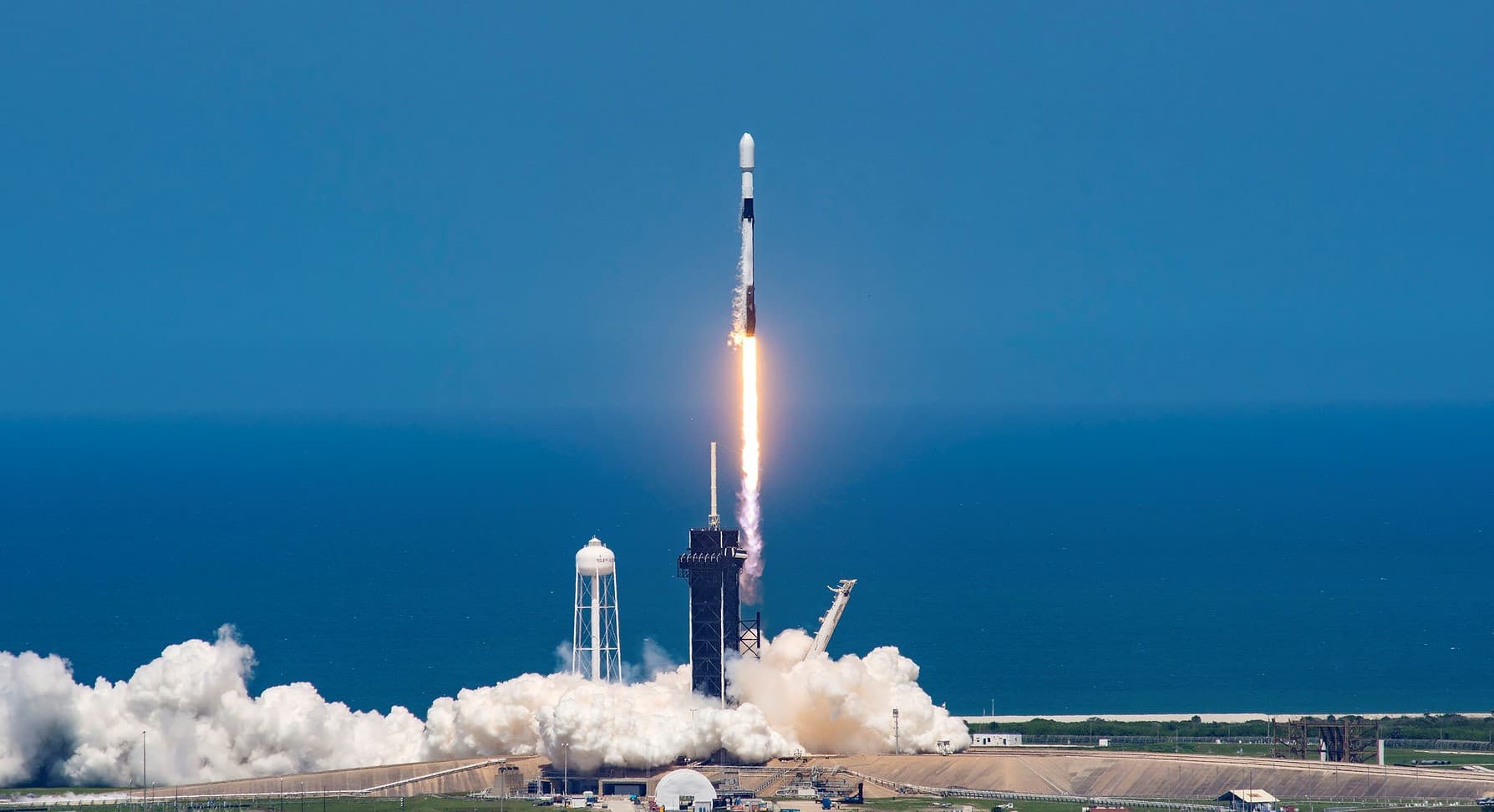
Thor 8 is a multi-purpose communications satellite for Space Norway. The satellite will both replace older satellites being phased out in the coming years and provide increased capacity and service offerings that offers capacity for both data services and broadcasting, such as high power direct-to-home (DTH) television services, from the 1° West orbital position. It carries two dedicated payloads for broadcasting in Europe and the Nordics, as well as payloads for data services to commercial and governmental customers. With a launch mass of 4 metric tons, the satellite will be built on Thales Alenia Space’s Spacebus-4000B2 platform and will operate in the Ka and Ku frequency bands.

Suborbital research flight for Purdue University carrying a professor, student and three alumni.
Up to 18 satellites manufactured by MDA for Canadian satellite operator Telesat's Lightspeed constellation.
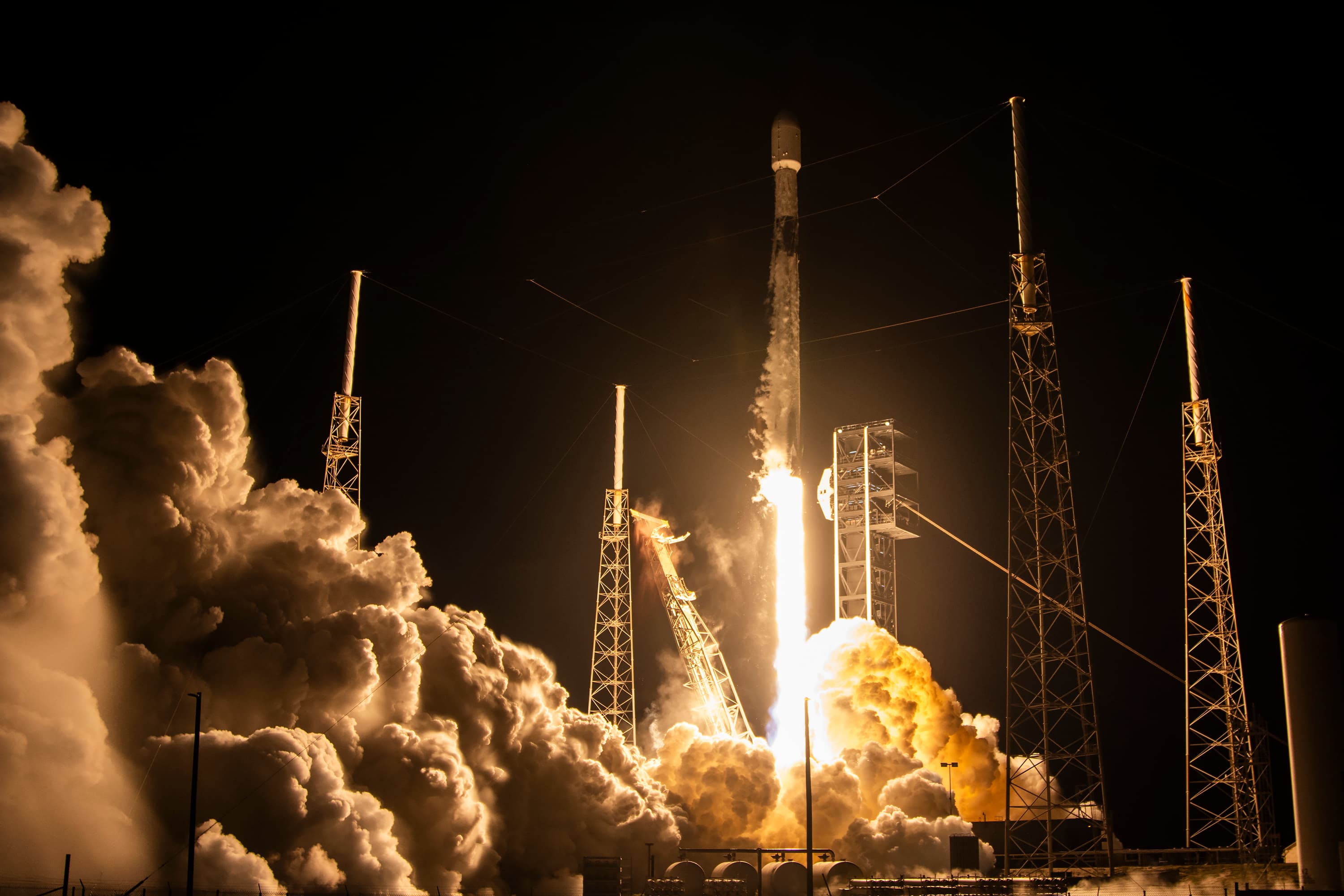
Dedicated rideshare flight to a mid-inclination orbit with dozens of small microsatellites and nanosatellites for commercial and government customers.
Dedicated ride-share mission to be offered by the small satellite launch integrator SEOPS to low Earth orbit.
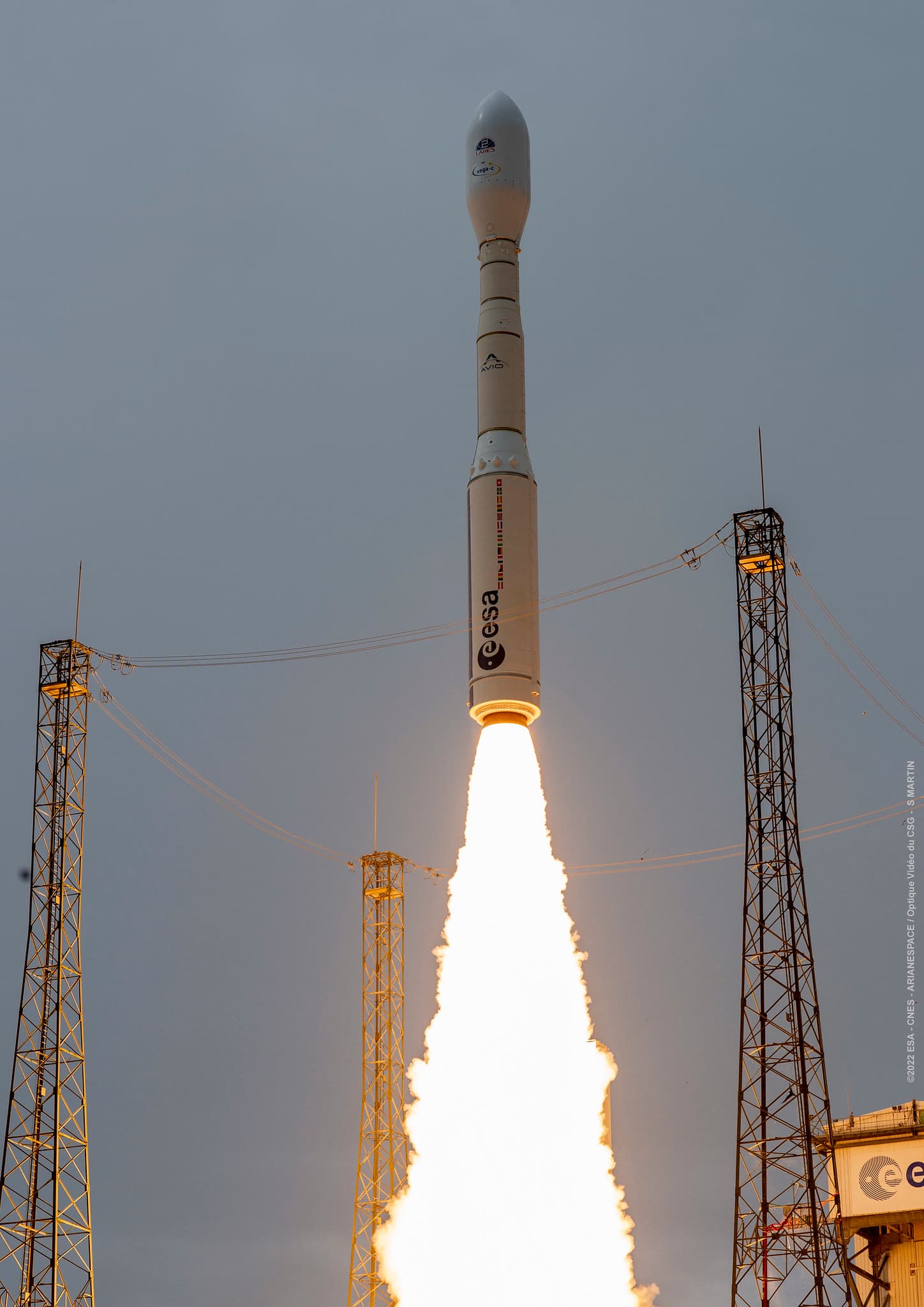
First Pléiades Neo Next satellite, improving on the Pléiades Neo observation satellite design to provide 20-cm-class native resolution.
Sentinel CO2M-B carries a near-infrared and shortwave-infrared spectrometer to measure atmospheric carbon dioxide produced by human activity, providing the EU with a unique and independent source of information, to assess the effectiveness of policy measures, and to track their impact towards decarbonizing Europe and meeting national emission reduction targets.
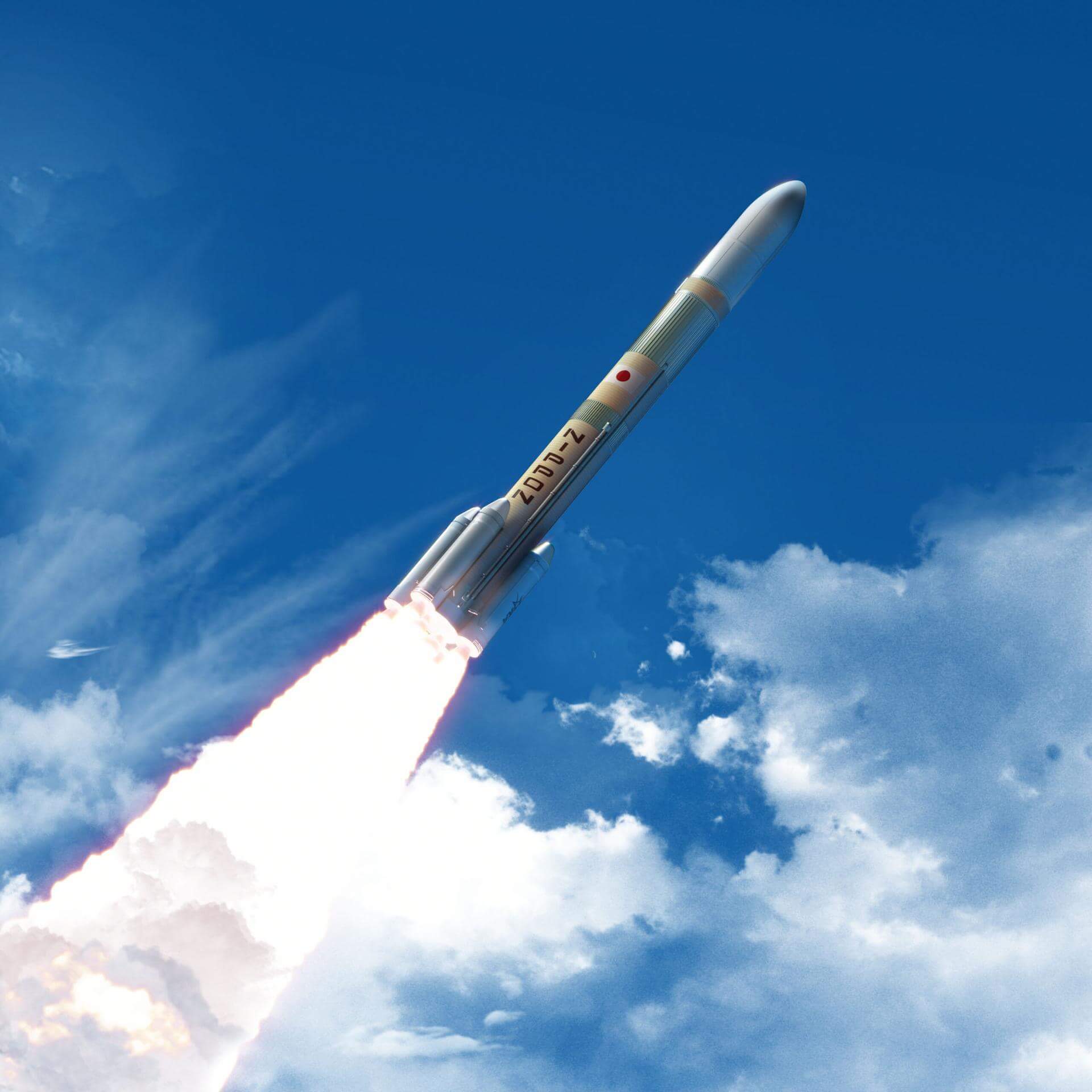
An United Arab Emirates Space Agency (UAESA) planetary mission to visit main belt asteroids. Named after Sheikh Mohammed bin Rashid, the spacecraft will fly by six main belt asteroids between 2030 and 2033 before rendezvousing on a seventh, Justitia, in 2034, later deploying a lander.