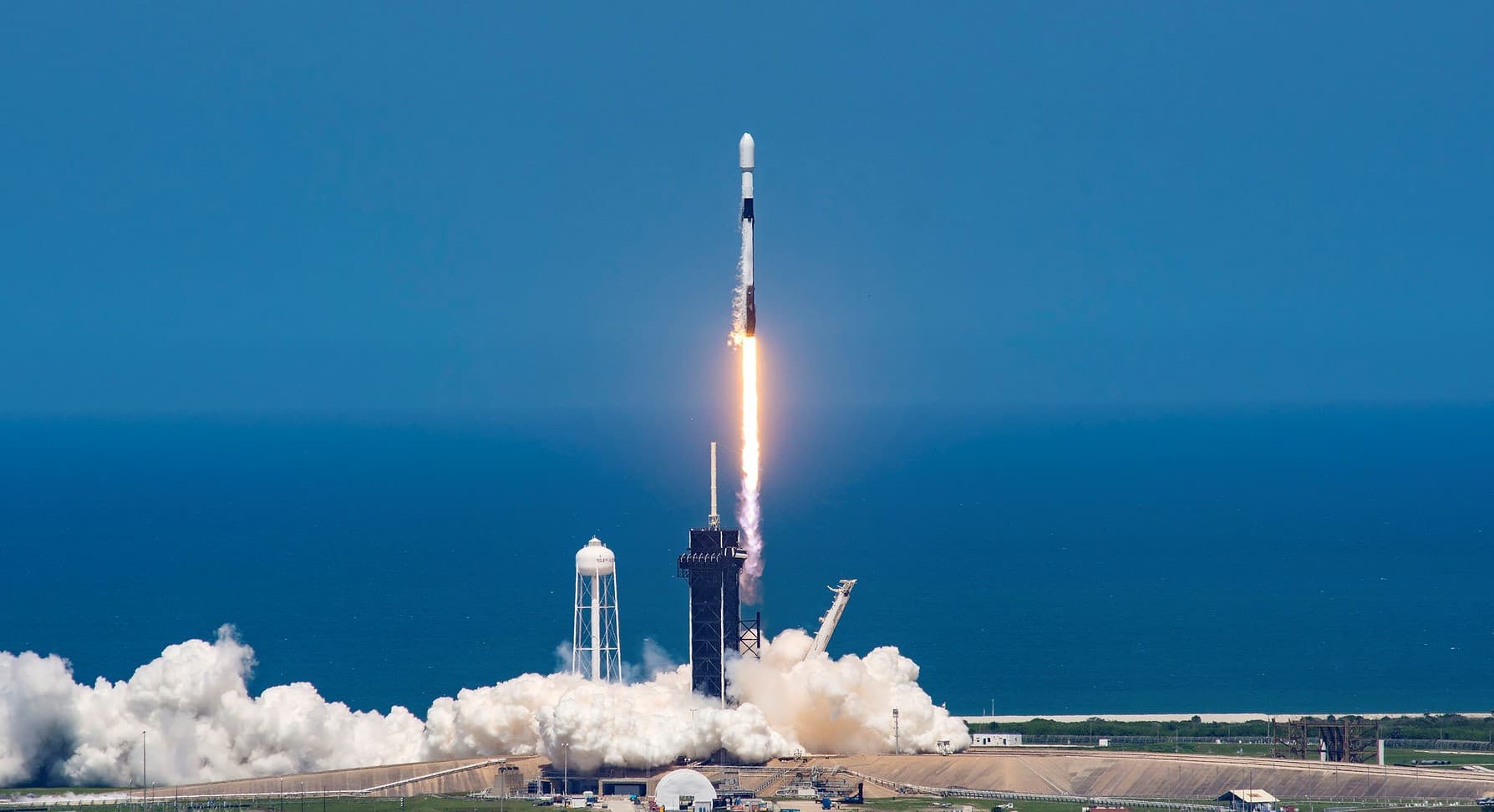
Falcon 9 Block 5 | SDA Tranche 2 Transport Layer E
Classified mission launched by the Space Development Agency (SDA) for Tranche 2 Transport Layer.

Classified mission launched by the Space Development Agency (SDA) for Tranche 2 Transport Layer.

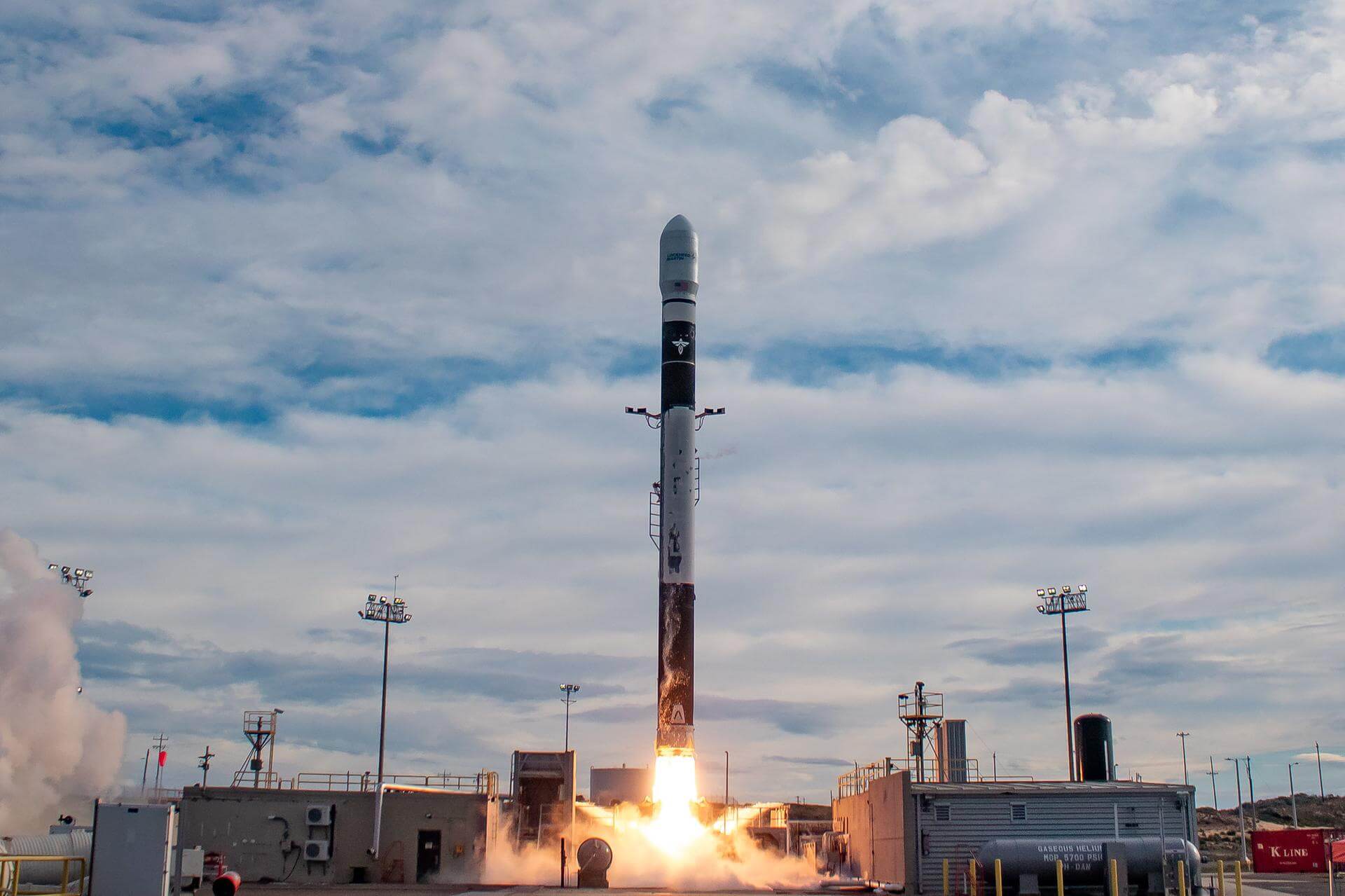
HawkEye 360 is a a space-based civil global intelligence satellite network using radio frequency (RF) technology to help monitor transportation across air, land and sea and assist with emergencies, and to provide civil SIGINT (Signal Intelligence) mission. The constellation of small satellites (named Hawk ) will collect information on specific radio signals worldwide to provide high-precision radio frequency mapping and analytics from Low Earth orbit (LEO).

24 satellites for Rivada's internet constellation.
First test launch of i-Space’s Hyperbola-3 rocket.

First of at least four missions carrying 6 satellites for Open Cosmos' secure LEO broadband constellation, designed to provide independent and resilient connectivity infrastructure for Europe and the world using high-priority Ka-band spectrum filings by the Principality of Liechtenstein.

CHORUS is MDA's next generation Earth observation constellation, consisting of 2 radar satellites (C-band SAR and X-band SAR), in a 53.5 degree 600 km altitude LEO, with the X-band trailing the C-band by 60 minutes. A collaborative multi-sensor constellation, CHORUS will bring together diverse and unique imagery and data sources and provide a new level of near real-time insight and innovative Earth observation services. Operating in a unique mid-inclination orbit, CHORUS will be able to image day or night, regardless of weather conditions, with daily access of up to 95% of the coverage area. From an industry-leading 700km-wide imaging swath down to sub-metre high resolution, CHORUS will provide the most extensive and unrivalled Earth observation radar imaging capacity available on the market in a single mission.

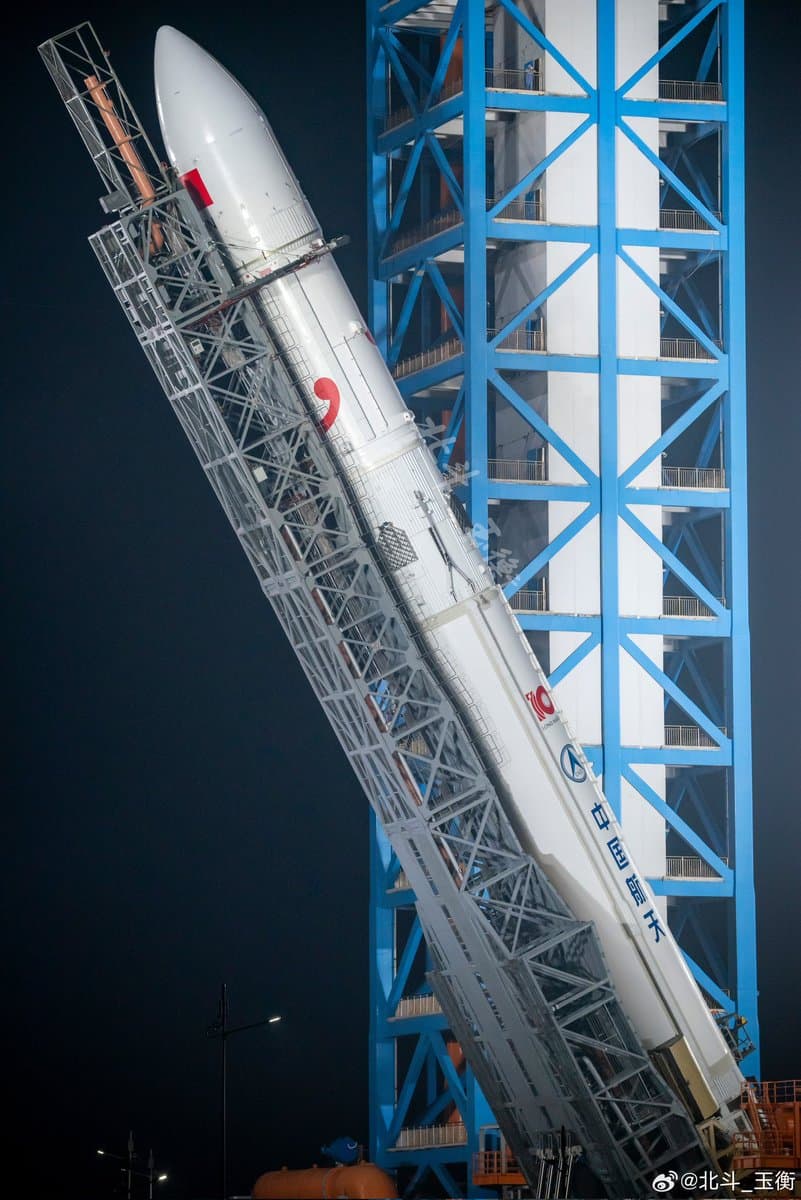
First test launch of CASC/CALT’s Long March 10A rocket. Payload is expected to be a prototype of the Low Earth Orbit mission version of the Mengzhou crew spacecraft.

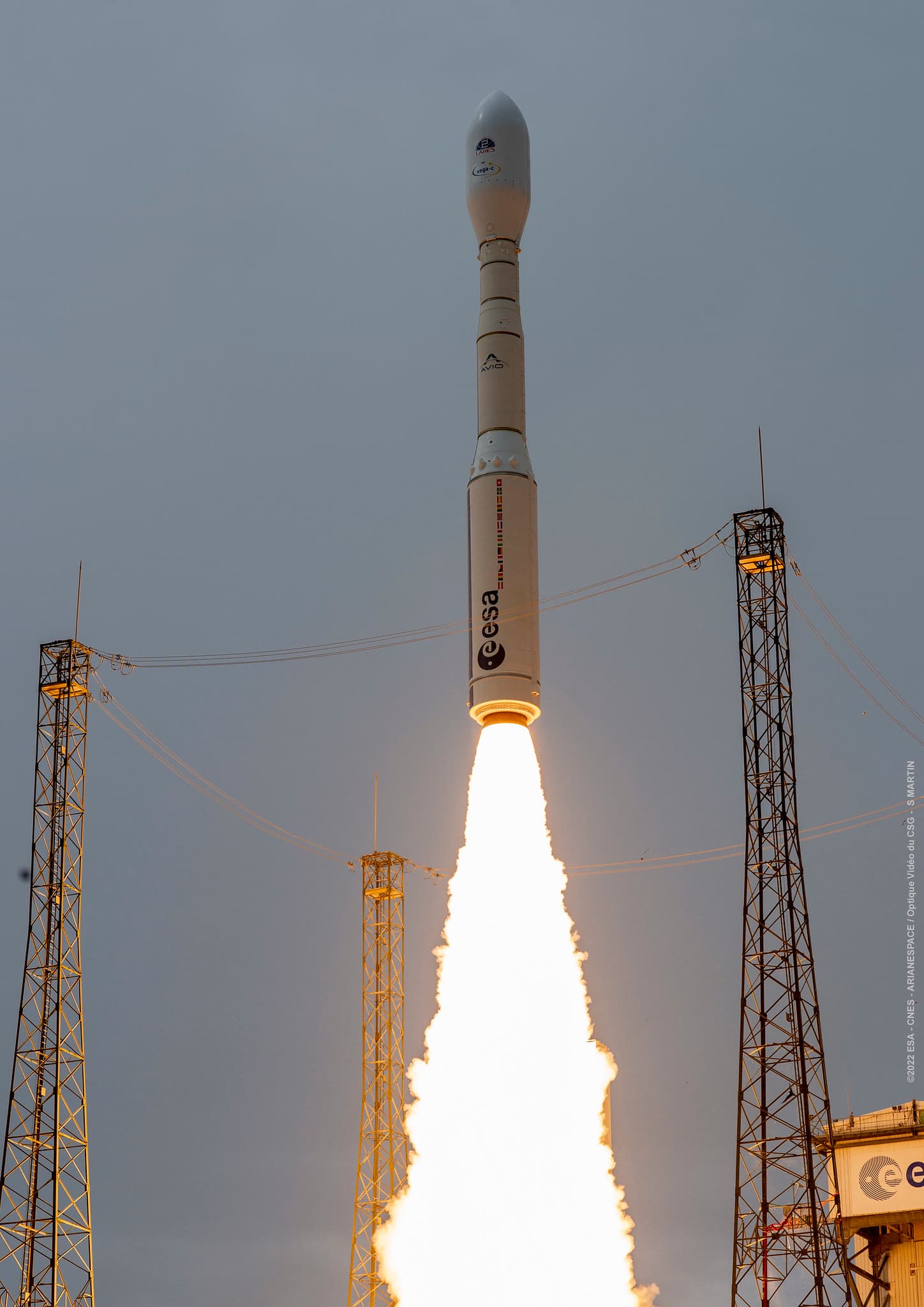
First dedicated launch for the European Space Agency's IRIDE Earth observation constellation.

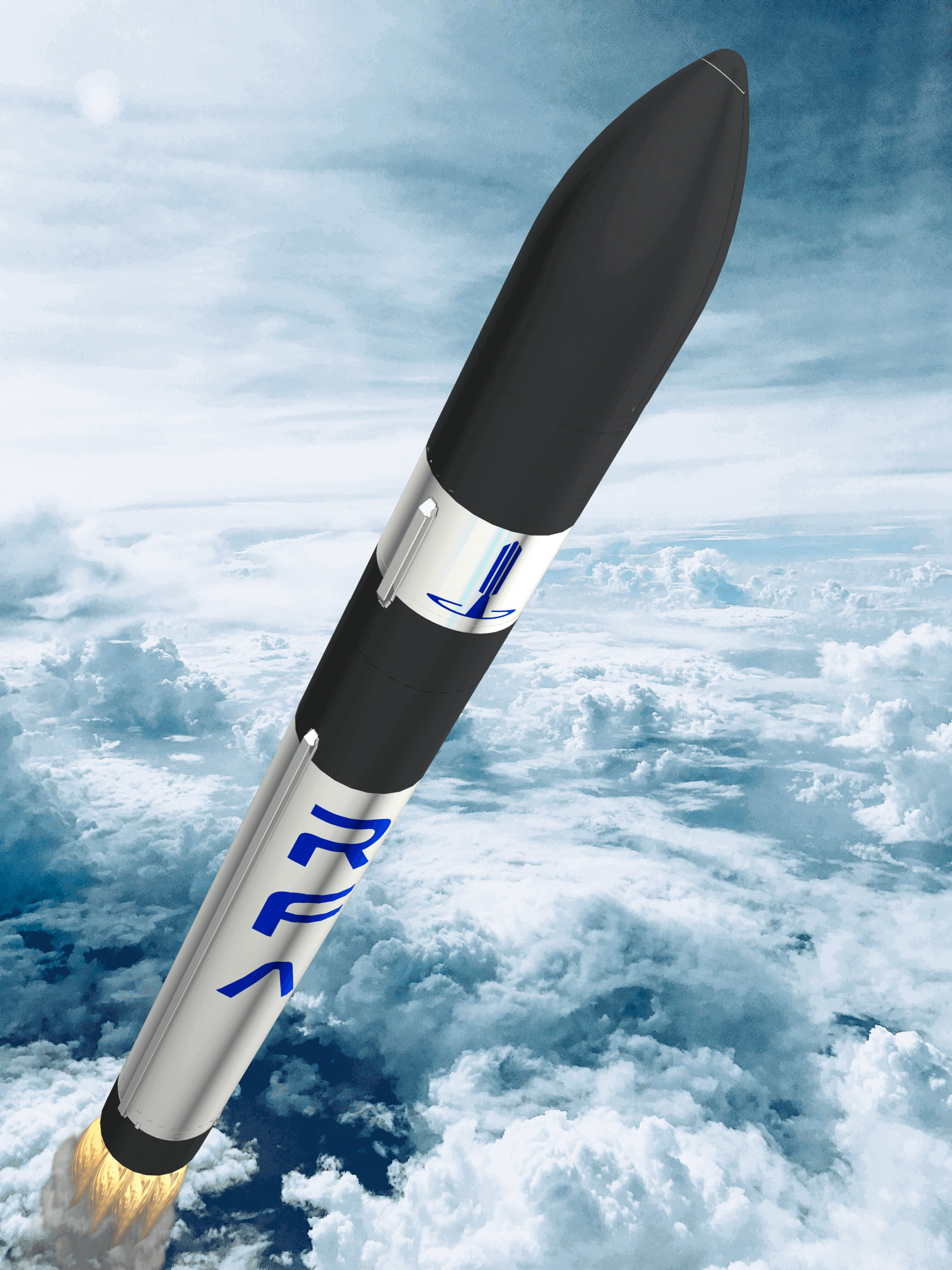
First flight of the RFA One launch vehicle. Will carry 7 satellites for various companies and organizations coordinated by the German Aerospace Center (DLR). * AllBertEinStein * ARTICA * Curium Two * ERMINAZ * PCIOD * Separation Ring Mission * SpaceDREAM

Up to 18 satellites manufactured by MDA for Canadian satellite operator Telesat's Lightspeed constellation.

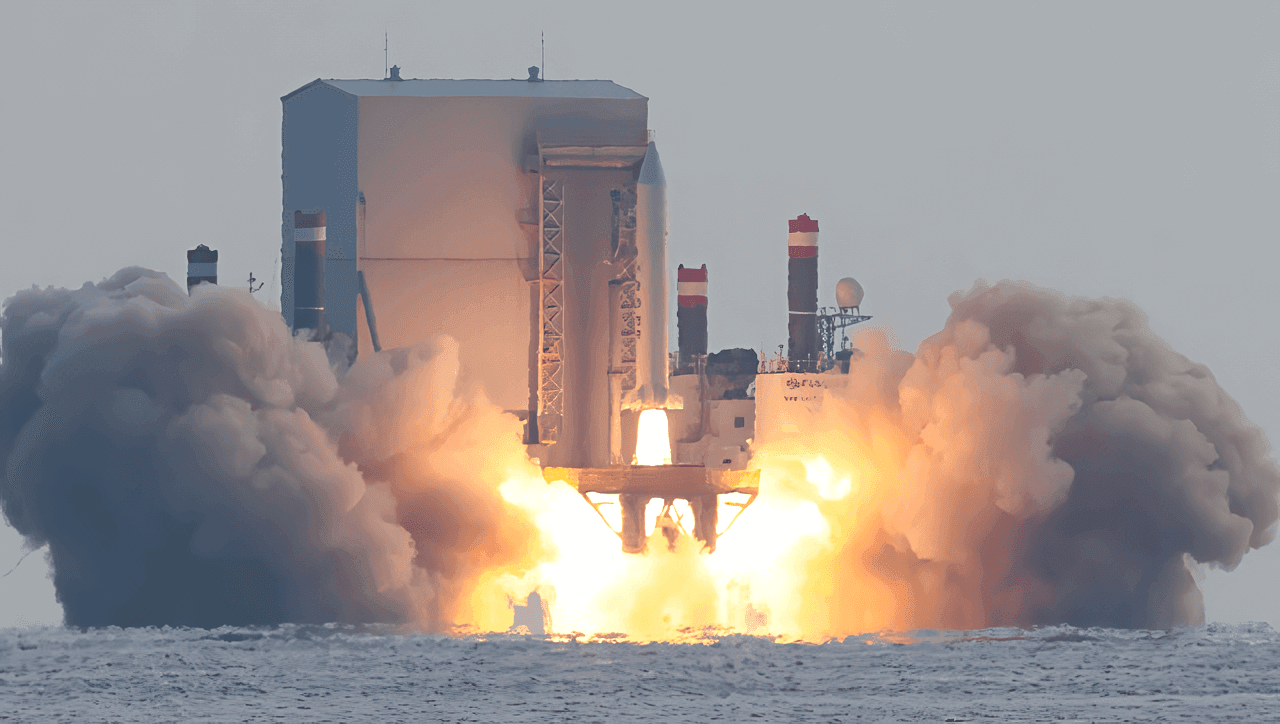
Note: Launch vehicle name is provisional. First orbital full version launch of the South Korean military small satellite launch vehicle, after 2 sub-orbital tests of individual stages on 30 March and 30 December 2022, and 1 orbital test flight without the 2nd stage on 4 December 2023. Details TBD.

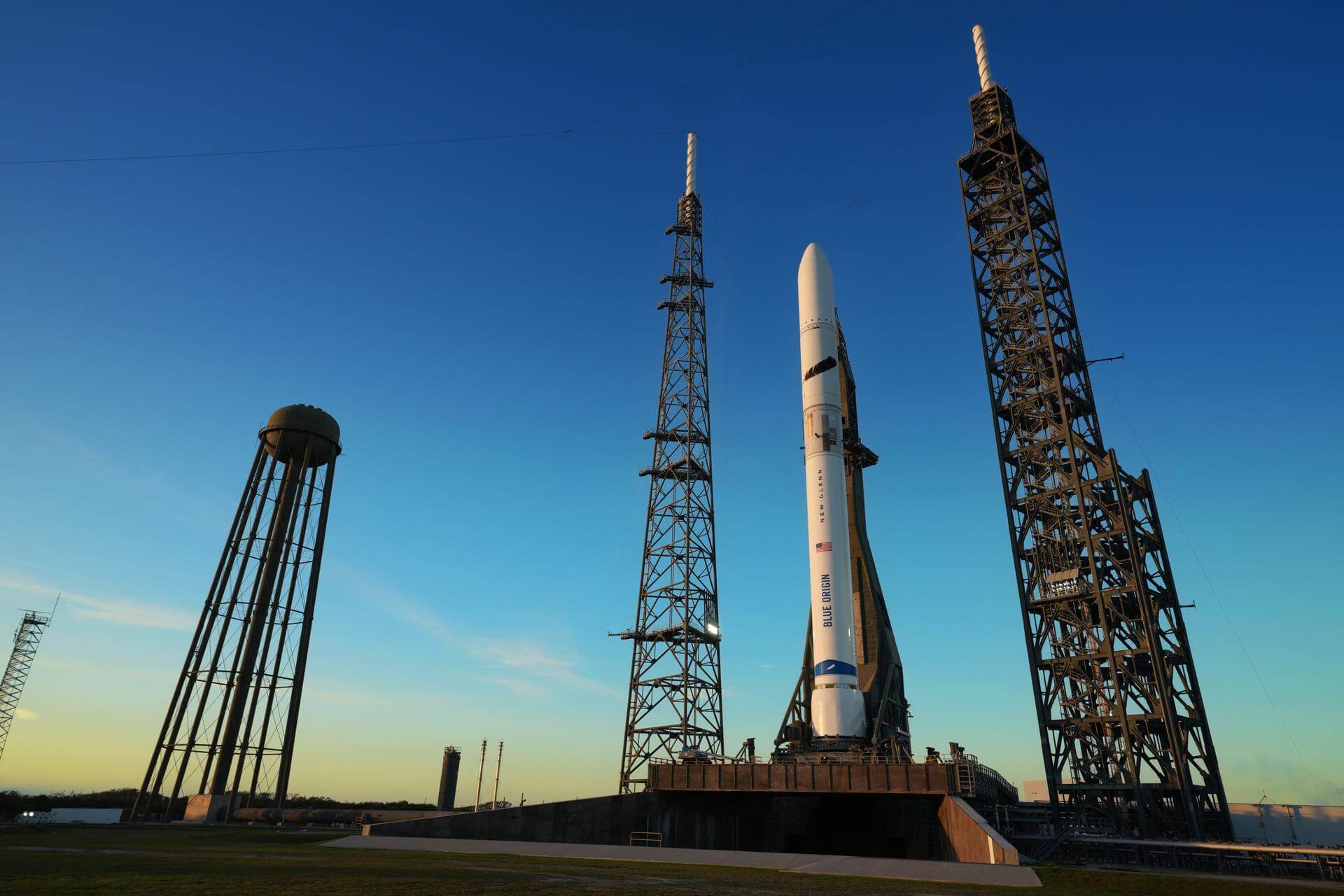
The first mission of Blue Ring, Blue Origin's all-in-one, high-powered hybrid solar electric and chemical propelled spacecraft, will test the spacecraft's operations in Geostationary Transfer Orbit (GTO), as well as subsequent operations after reaching Geostationary Orbit (GEO). It will carry one of Scout Space's flagship next-generation space domain awareness (SDA) Owl sensors, which is designed to enhance real-time tracking, characterization, and assessment of space objects by integrating advanced optical sensing, onboard artificial intelligence-driven processing, and autonomous decision-making capabilities to deliver domain-wide intelligence in space in support of the U.S. Space Force’s space control mission set. Blue Ring will also carry Optimum Technologies (OpTech)'s next-generation Caracal optical payload, which is designed to provide actionable insights on resident space objects and orbital activity and includes onboard image storage, object detection algorithms, and passive thermal control. The payload is designed to operate flexibly across dynamic orbits over a year-long mission profile. Several internal Blue Origin payloads will also be hosted.